Argentina's Chief of Staff Role: A Failed Reform
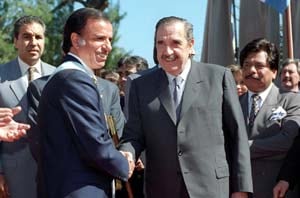
A recent reform aimed at altering the role of the Chief of Staff in Argentina has been deemed unsuccessful. The intention behind the change was to modify the existing power structures within the presidency. However, the reform has instead reinforced the traditional presidentialist system of governance that has long characterized Argentine politics. This outcome suggests that the intended decentralization or modification of presidential power did not materialize as planned. The reform's failure to achieve its objectives highlights the resilience of established political frameworks in the country. Consequently, the office of the Chief of Staff continues to operate within a system heavily dominated by the president. This situation implies that significant shifts in executive power dynamics require more than superficial legislative adjustments. The persistent presidentialism may continue to influence policy implementation and decision-making processes.
The reform's outcome in Argentina suggests that attempts to alter established presidentialist power structures may face significant inertia. The reinforcement of the existing system, rather than its intended modification, points to the deep-rooted nature of executive dominance. Future reforms aiming to rebalance power might need to address underlying institutional incentives and political culture more comprehensively. Considering the long-term trends in governance, this situation prompts reflection on the efficacy of legislative changes versus systemic institutional reform in democratizing power distribution over the next decade.
AI-generated to prompt reflection — not editorial opinion, not advice, not a statement of fact. How this works.