Argentina's FM: Milei backs Bolsonaro family, but won't sever ties with Brazil
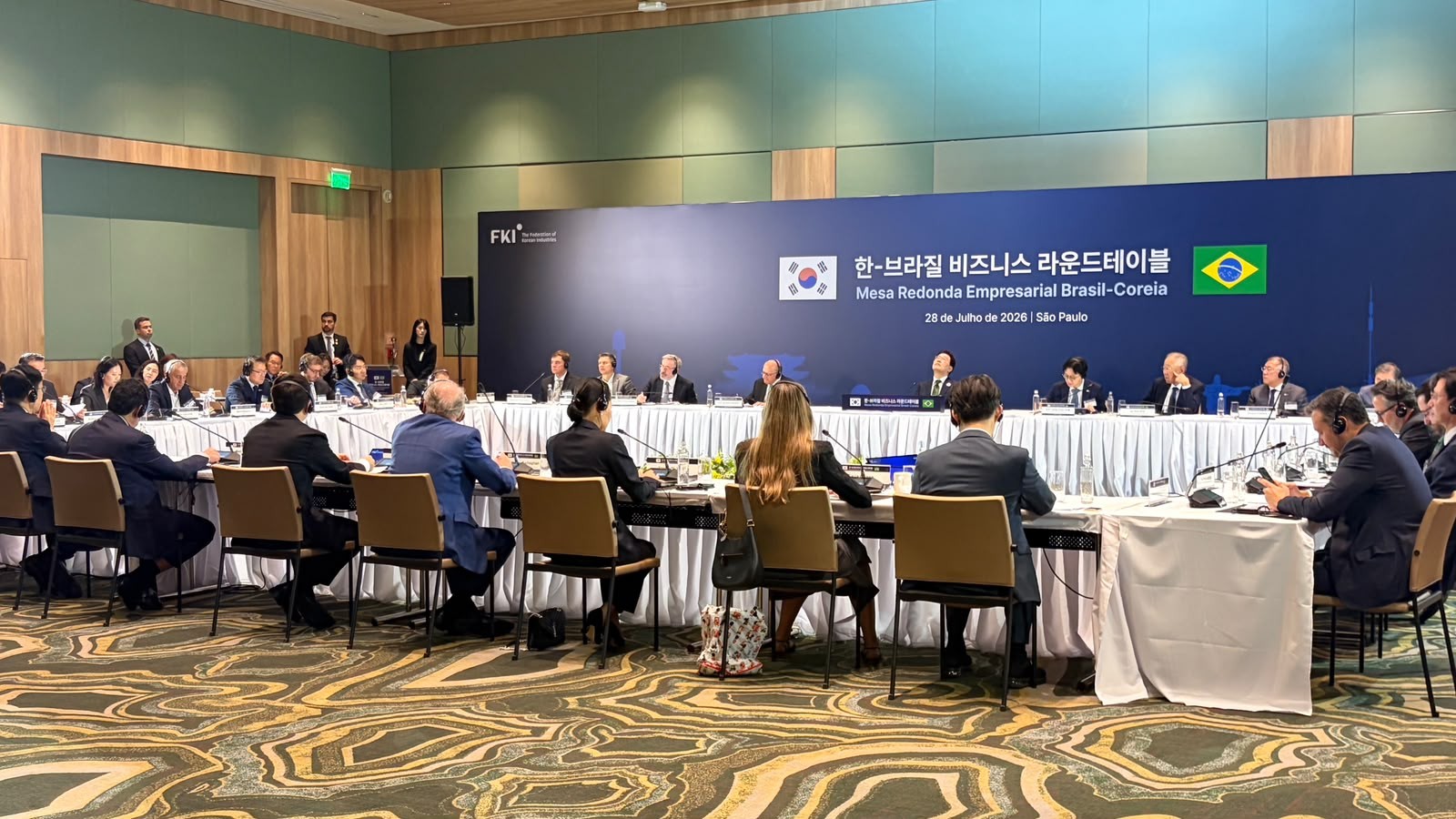
Argentine Foreign Minister Pablo Quirno stated on Wednesday, February 28, that President Javier Milei's administration does not intend to sever diplomatic relations with Brazil despite the ongoing diplomatic crisis. The dispute erupted when Milei criticized Brazilian President Luiz Inácio Lula da Silva during a political convention in São Paulo. In response, Brazil's Itamaraty summoned the Argentine ambassador and recalled its own ambassador from Buenos Aires for consultations. Quirno confirmed Milei's support for the Bolsonaro family, noting that Argentina's government views the world differently from Brazil's. He acknowledged significant political and ideological differences between Milei and Lula, stating, "We see the world in completely different ways." Despite this, Quirno expressed hope for the return of Brazil's ambassador, Júlio Bitelli, to Buenos Aires. The return is contingent on a broader assessment of the situation and the absence of a formal apology from Argentina. Meanwhile, Brazilian Vice President Geraldo Alckmin described Milei's statements as "regrettable" and "grossly interfering" in Brazil's internal affairs, though he believes it won't hinder Mercosur's economic integration. Alckmin highlighted ongoing trade agreements within Mercosur, including those with Singapore, EFTA, and the EU, and South Korea's interest in further negotiations.
The diplomatic friction between Argentina and Brazil highlights the impact of ideological divergence on bilateral relations, particularly in a region historically prioritizing economic and political integration. While the Argentine government signals a desire to maintain ties, the public nature of President Milei's criticisms and his administration's alignment with opposition figures within Brazil create a complex dynamic. This situation underscores the challenge of balancing domestic political posturing with the imperatives of international diplomacy. From a systemic perspective, such incidents can test the resilience of regional blocs like Mercosur, potentially influencing future trade negotiations and cooperation frameworks. The emphasis on differing worldviews suggests a fundamental disconnect in foreign policy approaches, which may require sustained diplomatic efforts to bridge, rather than relying solely on economic interdependence to smooth over political rifts.
AI-generated to prompt reflection — not editorial opinion, not advice, not a statement of fact. How this works.