Argentina's Government Backs Milei's 'Anti-Argentine Campaign' Claims Amidst Lack of Clarity
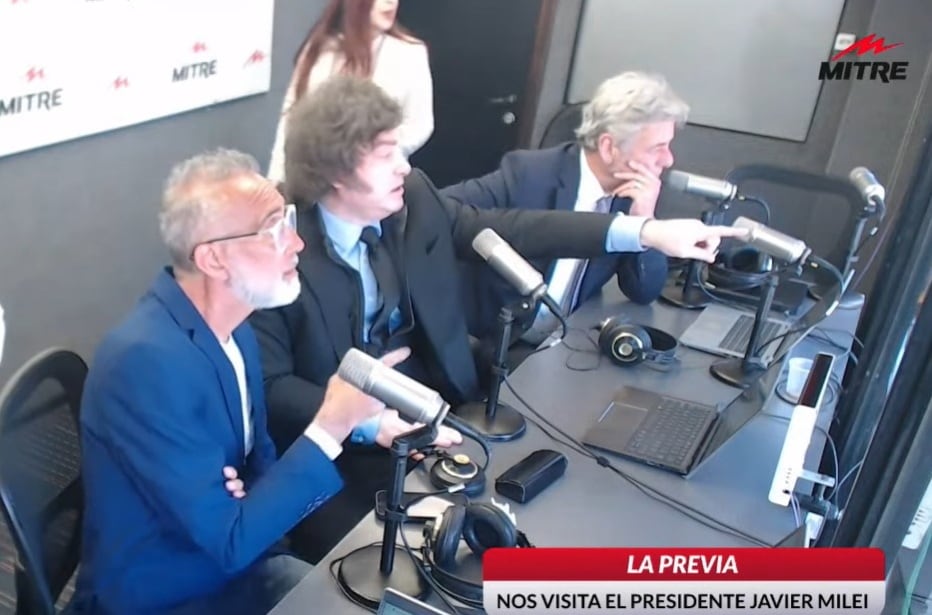
The Argentine government has publicly supported President Javier Milei's accusations of an "anti-Argentine campaign" originating from Brazil. However, officials in the Casa Rosada have admitted they are uncertain about the specific evidence or basis President Milei used to make these claims. Despite this lack of concrete information, the government has stated that the President is working with "concrete data." Speculation from within the administration suggests that Milei's sources for these accusations might originate from the United States. The government's endorsement of the claims, without detailing the foundation, indicates a strategic alignment with the President's rhetoric, even in the absence of publicly verifiable information. This situation highlights a potential disconnect between presidential pronouncements and the detailed intelligence available to the executive branch.
The Argentine government's backing of President Milei's claims regarding a Brazilian "anti-Argentine campaign," despite internal uncertainty about the evidence, suggests a political strategy prioritizing presidential authority and narrative control over transparency. This approach may aim to consolidate domestic support by projecting strength and vigilance against perceived external threats. However, relying on unverified or ambiguously sourced information for significant diplomatic accusations could introduce instability into international relations. Future diplomatic engagements may benefit from establishing clearer protocols for evidence validation to ensure policy decisions are grounded in verifiable facts, thereby enhancing both national security and international credibility.
AI-generated to prompt reflection — not editorial opinion, not advice, not a statement of fact. How this works.