Argentina's Government Plans New Deregulation Package, Seeks Extended Delegated Powers
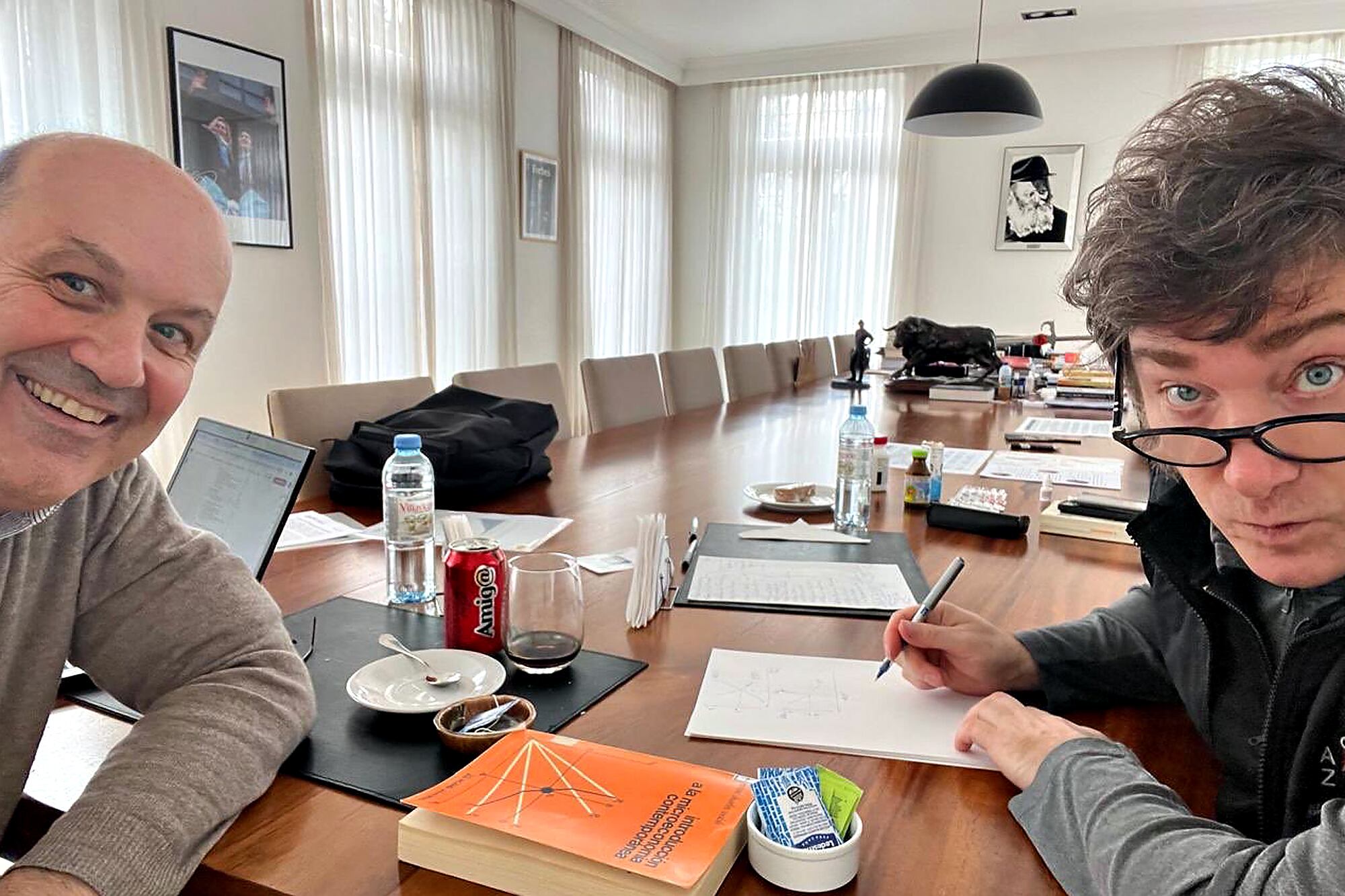
The Argentine government is preparing a new package of reforms aimed at further deregulation across various sectors. A key aspect of these proposed changes involves evaluating a request for six months of delegated legislative powers, which would allow the executive branch to enact laws without immediate congressional approval. The reforms include proposals to permit the sale of over-the-counter medications in general retail aisles, effectively deregulating their distribution beyond pharmacies. Additionally, the government intends to liberalize the pricing of books and cooking gas cylinders (garrafas). The package also addresses the financial sector by considering the incorporation of cryptocurrencies as valid collateral for financial transactions. These measures signal a continued push towards market liberalization and reduced state intervention in the Argentine economy.
The proposed deregulation package in Argentina reflects a broader global trend towards market liberalization, often framed as a means to stimulate economic growth and efficiency. By seeking delegated powers, the government aims to expedite these reforms, potentially bypassing legislative hurdles. The inclusion of over-the-counter medication sales and price liberalization for books and gas cylinders suggests a focus on consumer access and market competition. However, such measures can introduce trade-offs. For instance, deregulating medication sales may raise public health concerns regarding accessibility and oversight. Similarly, liberalizing prices could lead to increased volatility and potential affordability issues for essential goods like cooking gas. The integration of cryptocurrencies as collateral signals an acknowledgment of evolving financial technologies, but also introduces complexities related to financial stability and regulatory frameworks. The long-term impact will depend on the balance struck between promoting market dynamism and ensuring consumer protection, public health, and financial system resilience.
AI-generated to prompt reflection — not editorial opinion, not advice, not a statement of fact. How this works.