Argentina's High Cesarean Birth Rate: Experts Analyze Over 40% of Deliveries
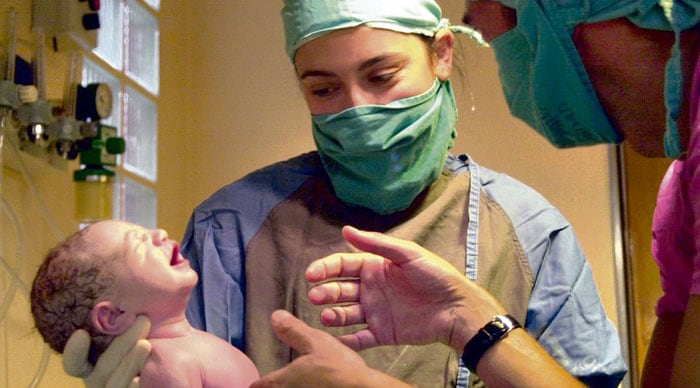
Argentina is experiencing one of the highest rates of Cesarean sections in the Latin American region, significantly surpassing the global average. According to experts, over 40% of all births in the country are now delivered via Cesarean. Specialists are examining the various factors contributing to this increasingly common practice. The high rate raises concerns among medical professionals and public health officials regarding potential overuse of the procedure. While Cesarean sections can be life-saving in certain circumstances, their frequent performance prompts questions about medical necessity and potential risks. The trend suggests a complex interplay of clinical decisions, patient preferences, and healthcare system dynamics. Further analysis is needed to understand the specific drivers behind this phenomenon in Argentina and its implications for maternal and infant health outcomes. The situation warrants a closer look at current obstetric practices and guidelines to ensure optimal care.
Argentina's exceptionally high Cesarean birth rate, exceeding 40% and the global average, signals a potential divergence between clinical necessity and procedural frequency. This trend may reflect evolving medical practices, patient expectations, and the economic incentives within the healthcare system. While Cesarean sections offer critical interventions, their widespread application warrants scrutiny regarding potential over-medicalization. Understanding the systemic factors, such as hospital protocols, physician training, and insurance reimbursement structures, is crucial for evaluating whether this rate aligns with optimal public health outcomes for mothers and newborns over the next decade. Examining these dynamics can inform strategies to ensure the procedure is utilized judiciously, balancing medical benefits against potential risks and resource allocation.
AI-generated to prompt reflection — not editorial opinion, not advice, not a statement of fact. How this works.