Argentina's Historical Struggles with Democratic Representation
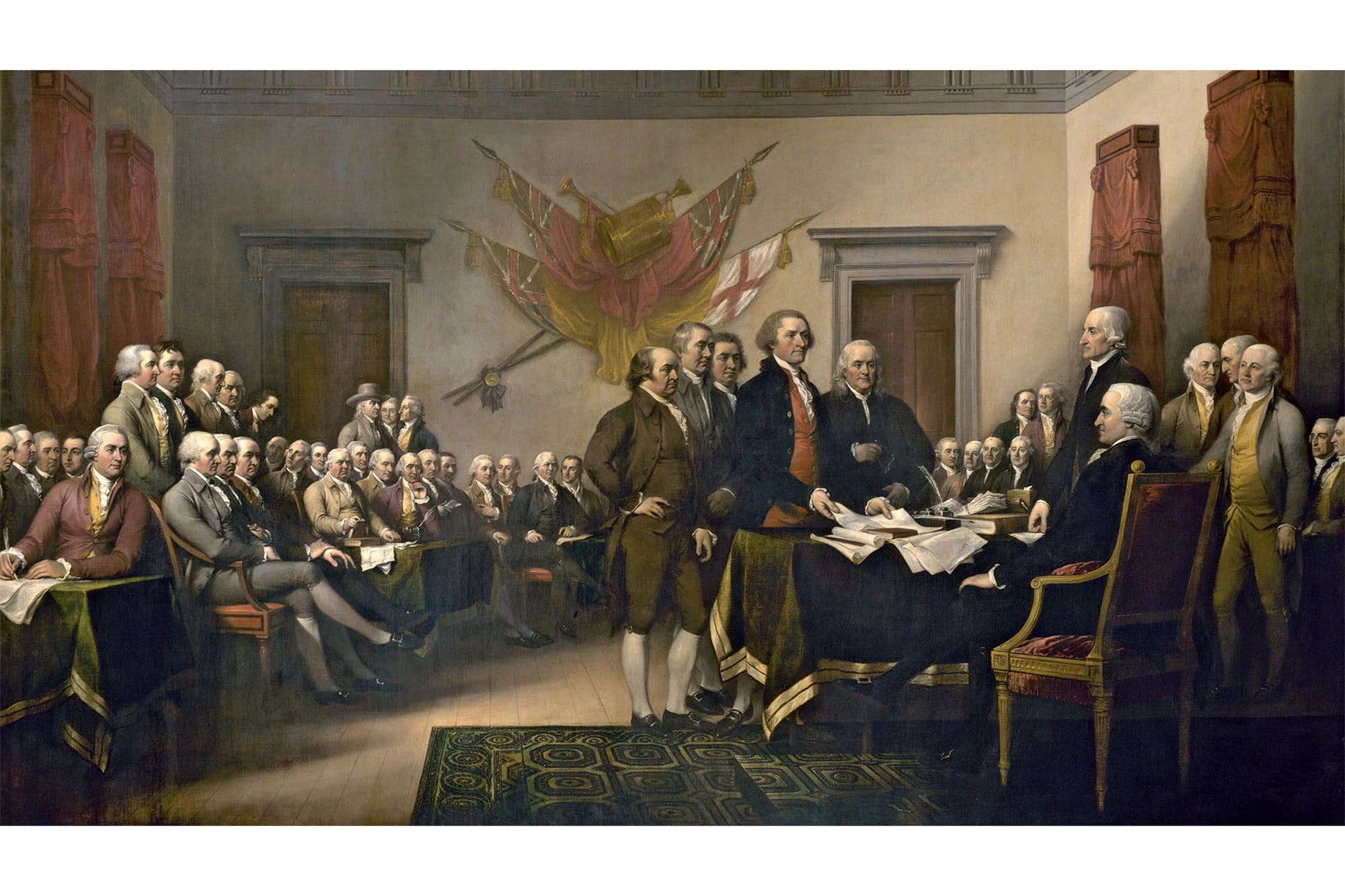
Argentinians have historically faced significant challenges with representation, experiencing a persistent disconnect between the populace and their elected officials. This ongoing 'divorce' between the people and their representatives has been a recurring theme throughout the nation's history. The source text suggests that this issue is not a recent development but rather a deep-seated problem that has plagued the country for a considerable time. While the headline mentions the United States and modern democracy, the body of the text focuses exclusively on Argentina's internal struggles with its democratic systems. The specific nature of these representation issues and their historical manifestations are not detailed in the provided text. However, the core assertion is that a fundamental gap exists in how effectively the will of the people is translated into governance and policy through their representatives.
The provided text highlights a systemic issue within Argentine democracy concerning the representation of its citizens. This recurring disconnect between the electorate and elected officials suggests potential structural challenges in the political system, possibly related to electoral mechanisms, accountability frameworks, or the responsiveness of institutions to public sentiment. Examining the historical evolution of these representation gaps could reveal patterns of governance that may inadvertently foster public distrust or disengagement. Understanding the root causes, whether they stem from political culture, institutional design, or socio-economic factors, is crucial for fostering a more robust and representative democratic future for Argentina. Future analysis should explore comparative models of representation and accountability to identify potential pathways for strengthening the relationship between the people and their government.
AI-generated to prompt reflection — not editorial opinion, not advice, not a statement of fact. How this works.