Argentina's Investment Incentives: A Closer Look at the RIGI and Super RIGI
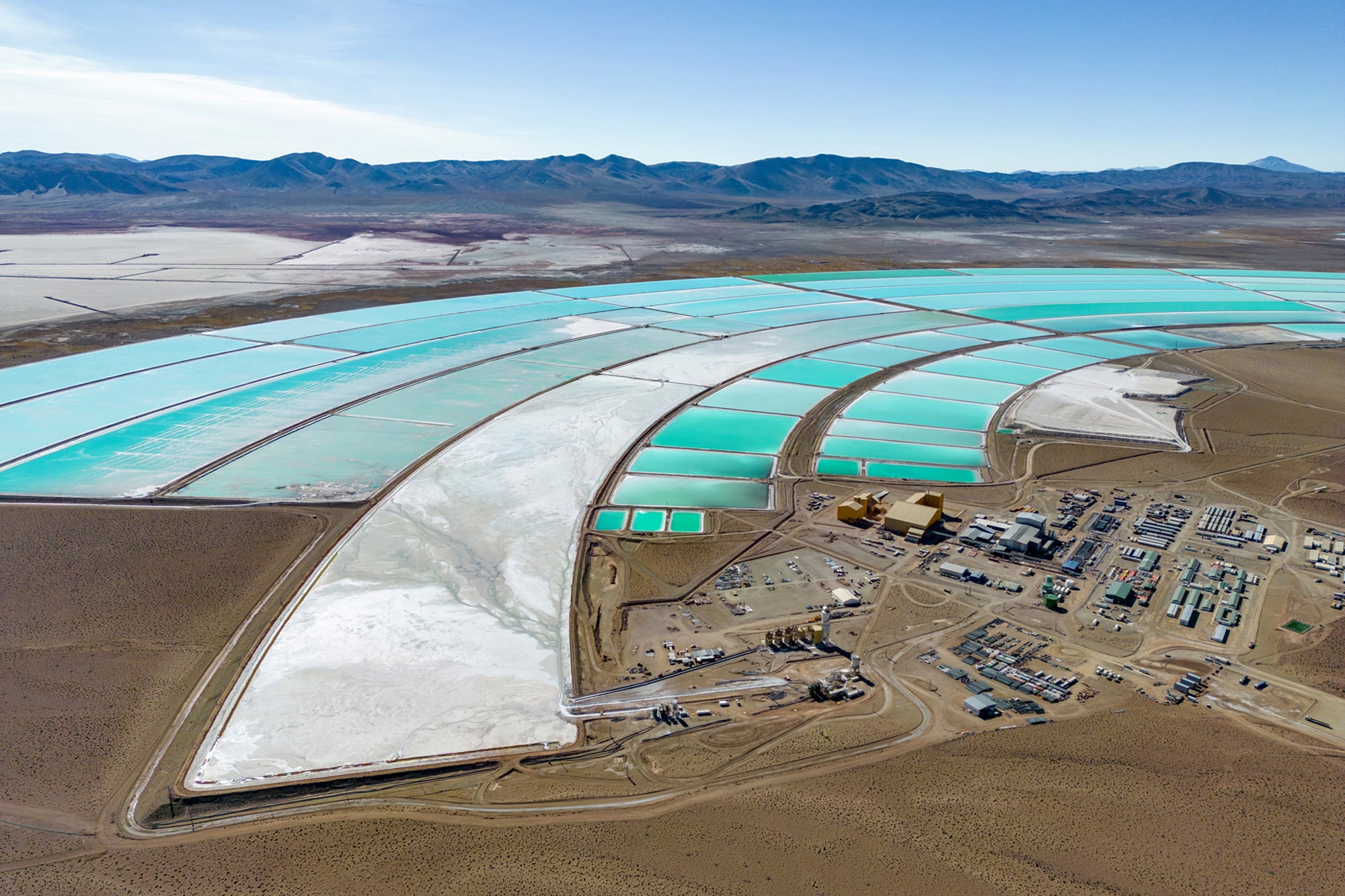
Argentina's government is heavily relying on special regimes, known as RIGI and the enhanced Super RIGI, as a primary strategy to attract foreign investment, particularly in the energy and mining sectors. These regimes are designed to streamline projects and accelerate development, a necessity acknowledged by many economists. However, these incentives are not without their critics. Economists express concerns that the RIGI and Super RIGI could create market distortions. They are also calling for greater oversight and control over the promised disbursements associated with these investment schemes. The debate centers on balancing the need for accelerated project development with the potential negative economic consequences of these specialized regulatory frameworks.
Argentina's utilization of special investment regimes like RIGI and Super RIGI reflects a common governmental strategy to stimulate capital inflow, especially in resource-intensive industries. While such mechanisms can indeed expedite project execution by reducing regulatory friction, their design often presents a trade-off. The potential for market distortions and the need for robust fiscal oversight are critical considerations. Future policy decisions will likely hinge on balancing the immediate benefits of attracting investment against the long-term implications for economic fairness and competitive neutrality. Evaluating the effectiveness of these regimes will require ongoing monitoring of their impact on both domestic industries and public finances over the next decade.
AI-generated to prompt reflection — not editorial opinion, not advice, not a statement of fact. How this works.