Argentina's July 9th Holiday: Legal Provisions for an Extended Weekend
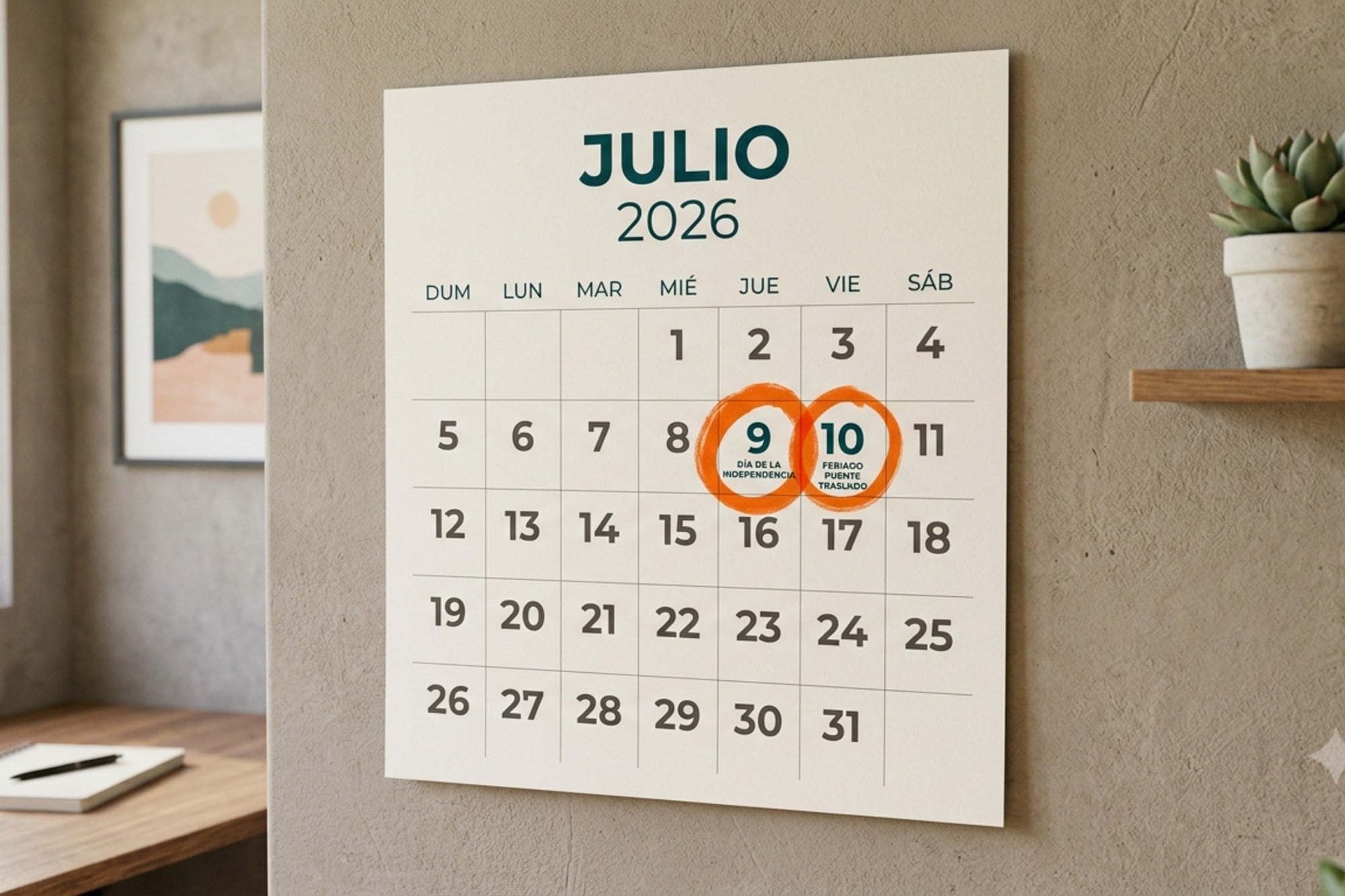
Argentina is observing an extended national holiday, with the official July 9th national holiday being supplemented by an additional day of rest for a significant portion of the population. This creates a "tourist bridge" or "feriado puente," a common practice in Argentina to stimulate domestic tourism. The legal framework surrounding these extended holidays aims to balance public rest with economic activity. While the specific decree or law enabling this particular bridge holiday is not detailed, such measures are typically enacted by the executive branch to boost the tourism sector, particularly during off-peak seasons. The intention is to encourage travel and spending within the country, benefiting hotels, restaurants, and local businesses. The practice reflects a broader strategy by the Argentine government to utilize public holidays as economic catalysts. The extended weekend is expected to provide a significant boost to regional economies as citizens take advantage of the opportunity for leisure travel.
The Argentine government's use of "feriado puente" or bridge holidays is a deliberate policy tool aimed at leveraging national observances to stimulate domestic tourism and economic activity. This strategy seeks to maximize the economic impact of public holidays by creating longer weekends, thereby encouraging citizens to travel and spend within the country. While effective in potentially boosting short-term economic gains for the tourism sector, the policy also involves trade-offs, such as lost productivity in other sectors and potential disruptions to regular business operations. The recurring nature of these bridge holidays suggests a systemic approach to economic management, balancing social benefits of rest with the imperative of economic growth in a nation with fluctuating economic conditions. Future considerations may involve optimizing the timing and duration of these holidays to maximize economic benefits while minimizing broader economic and social disruptions.
AI-generated to prompt reflection — not editorial opinion, not advice, not a statement of fact. How this works.