Argentina's Messi and World Cup Number Theory Sparks National Hope
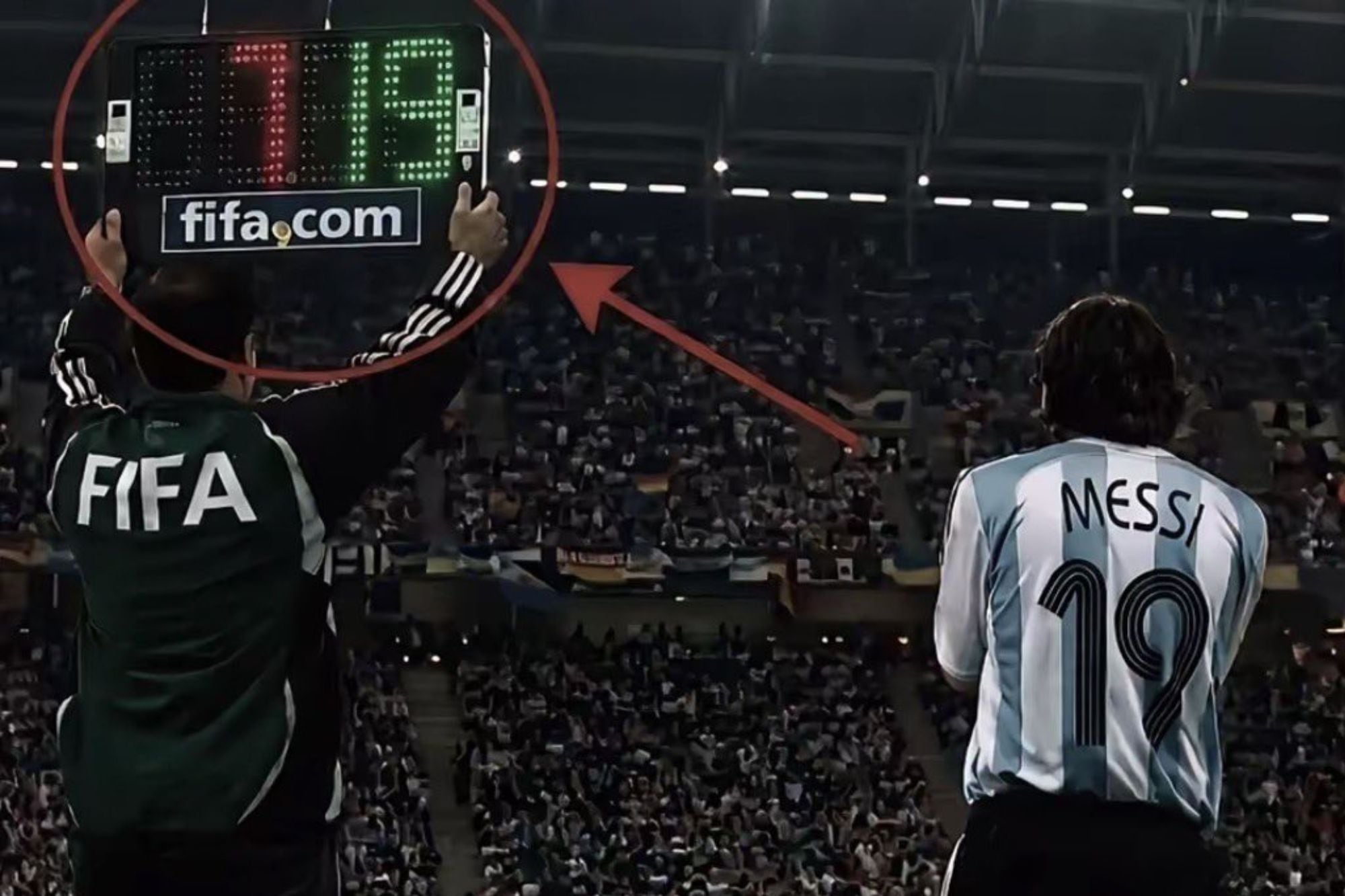
As Argentina prepares to face Egypt in the World Cup round of 16, a remarkable numerical coincidence has ignited widespread anticipation for a potential fourth World Cup victory. The calculation, which adds the number of Lionel Messi's World Cup appearances to the number of goals he has scored in those tournaments, results in 26. This figure is seen as a significant omen by many Argentinian fans. The number 26 holds particular significance as it is the sum of the years Argentina won its previous World Cups: 1978 and 1986, which sum to 26. This mathematical connection has fueled a wave of optimism across the nation, with supporters interpreting it as a sign that the team is destined to win the current tournament. The excitement is palpable as the team progresses through the knockout stages, with this numerical prophecy adding an extra layer of hope to their quest for a fourth star on their jersey.
This numerical coincidence, while emotionally resonant for fans, represents a classic example of apophenia – the tendency to perceive meaningful patterns in random data. The calculation itself is a simple arithmetic operation, and its connection to past victories is a retrospective interpretation. While such narratives can powerfully unite a fanbase and boost morale, they do not alter the objective probabilities of match outcomes. The team's success will ultimately depend on athletic performance, strategic execution, and competitive dynamics, rather than numerological interpretations. In the context of the evolving global sports landscape, where data analytics and performance science are increasingly sophisticated, relying on such symbolic connections may distract from the rigorous preparation required for elite competition. However, the psychological impact of these beliefs on team spirit and public engagement should not be underestimated, highlighting the interplay between rational analysis and collective psychology in sports.
AI-generated to prompt reflection — not editorial opinion, not advice, not a statement of fact. How this works.