Argentina's Messi Dependence Worries International Press After World Cup Win
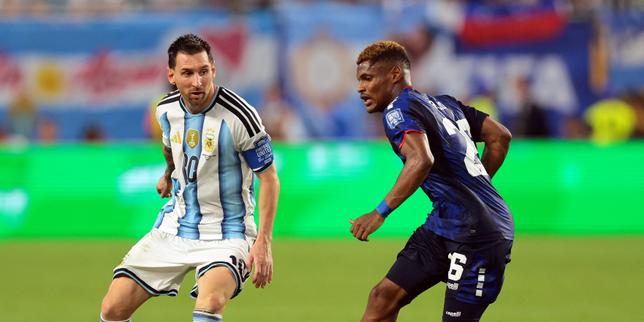
Argentina narrowly defeated Cape Verde 3-2 in extra time during the Round of 16 of the 2026 World Cup on Saturday, July 4th. The team struggled against the "Blue Sharks" and once again relied heavily on the performance of Lionel Messi to secure the victory. This recurring reliance on their star player has drawn the attention and concern of international media outlets. The press has highlighted this dependence following the match, questioning the team's strategy and potential vulnerabilities should Messi's form falter. The victory, while celebrated, has been overshadowed by discussions about the Argentine squad's over-reliance on its captain. This pattern suggests a potential strategic challenge for the team moving forward in the tournament. The international media's commentary indicates a broader concern about Argentina's ability to perform consistently without Messi's decisive contributions.
The Argentine national football team's repeated reliance on Lionel Messi for crucial victories, as observed in their recent 2026 World Cup match against Cape Verde, highlights a common strategic dynamic in sports. While the presence of a generational talent like Messi can elevate team performance significantly, an overdependence can create systemic risks. This includes potential vulnerabilities if the star player is unavailable or facing reduced capacity, and may also stifle the development and confidence of other squad members. Future performance will likely depend on the team's ability to foster a more distributed offensive strategy and build resilience independent of a single individual's brilliance. This dynamic presents a classic trade-off between maximizing immediate success through a proven leader and building long-term, sustainable team strength.
AI-generated to prompt reflection — not editorial opinion, not advice, not a statement of fact. How this works.