Argentina's Milei Government Faces Governor Distrust Amid Economic Hopes
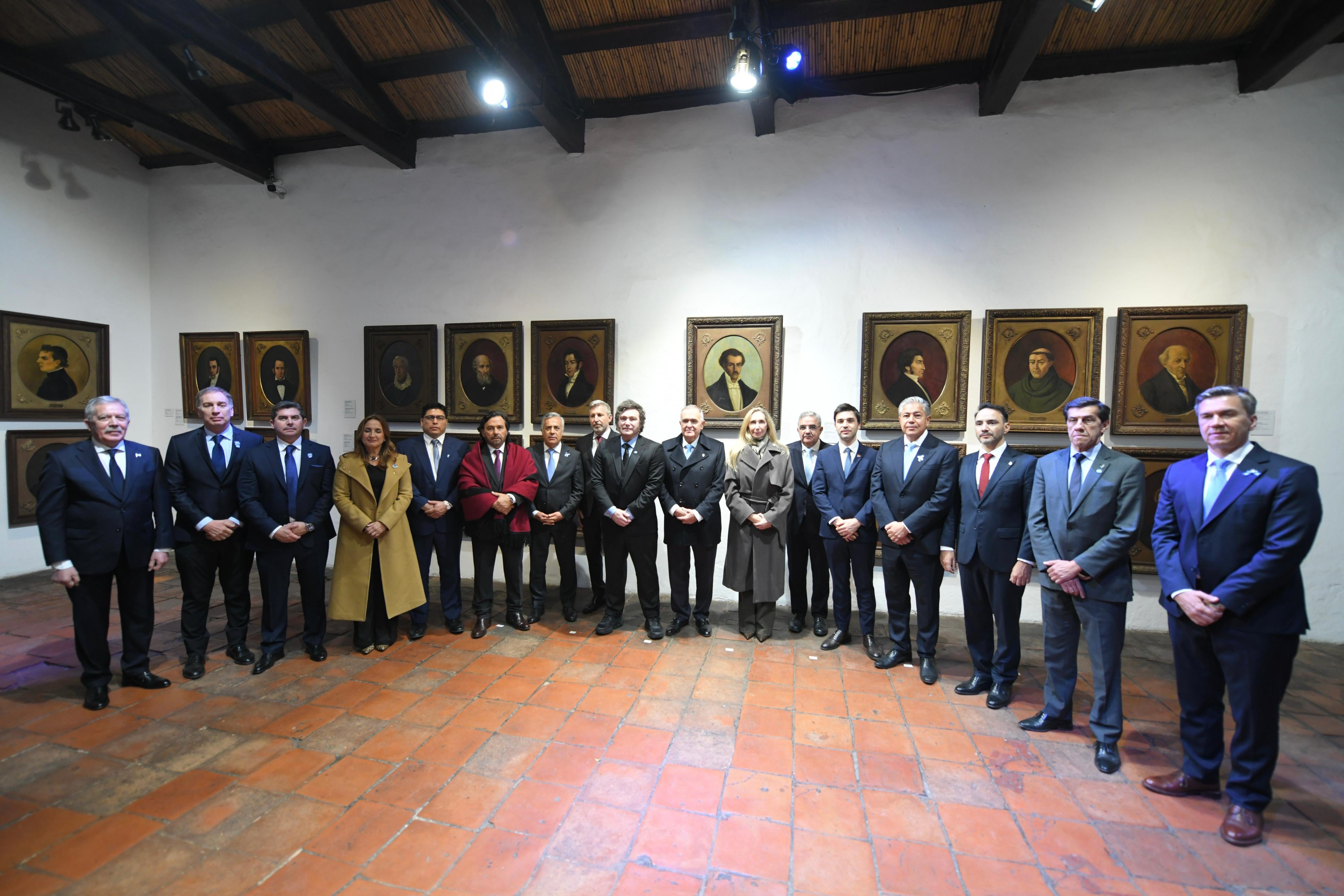
Despite recent positive economic indicators, including improved construction activity in June and expectations of declining inflation, Argentine President Javier Milei's administration is struggling to secure the support of provincial governors for his re-election. New Chief of Staff Diego Santilli is reportedly working on a strategy to gain their backing. Santilli has proposed suspending the PASO (open, simultaneous, and mandatory primary elections) for this year and staggering elections to avoid disrupting the governors' terms. In return, the governors would align their national deputy lists with Milei's re-election campaign. However, governors are hesitant due to a history of unfulfilled promises, a significant obstacle even for a skilled negotiator like Santilli. This distrust is exacerbated by the perception that Milei is withholding full authority from his negotiators, particularly regarding the crucial flow of funds managed by the Ministry of Economy. The province of Mendoza is cited as an example of this suspicion, where Governor Alfredo Cornejo faces a potential challenge from Ullpiano Suárez, an independent candidate favored by some within the ruling party, despite the presence of a strong potential candidate in Luis Petri. Meanwhile, in Buenos Aires, Mayor Jorge Macri launched his re-election bid without prior consultation with his cousin, the Chief of Government, highlighting internal party friction and increasing the influence of Daniel Angelici as a mediator. The success of these political maneuvers appears intrinsically linked to the performance of the national economy, mirroring the dependence of Milei's own re-election prospects on economic recovery. The article also touches upon other political dynamics, including potential electoral alliances and appointments within provincial institutions, suggesting that the government's anti-establishment platform, or 'anti-caste' message, is being tested by entrenched interests and internal party politics.
The narrative highlights a recurring tension in Argentine politics: the central government's reliance on provincial governors, who often prioritize their regional autonomy and electoral survival. President Milei's 'anti-caste' rhetoric, aimed at dismantling established political networks, faces a significant challenge when direct negotiation and resource allocation become paramount for securing electoral alliances. The proposed suspension of PASO and staggered elections suggest a strategic attempt to consolidate power by mitigating electoral risks for incumbents, potentially at the expense of democratic transparency. This dynamic underscores the inherent contradiction between radical reformist agendas and the pragmatic demands of coalition-building within a federal system. The long-term sustainability of any economic recovery, and by extension, the government's political capital, will be crucial in determining whether these complex negotiations yield stable governance or further entrench existing political rivalries.
AI-generated to prompt reflection — not editorial opinion, not advice, not a statement of fact. How this works.