Argentina's Milei government shifts towards Menem-style pragmatism
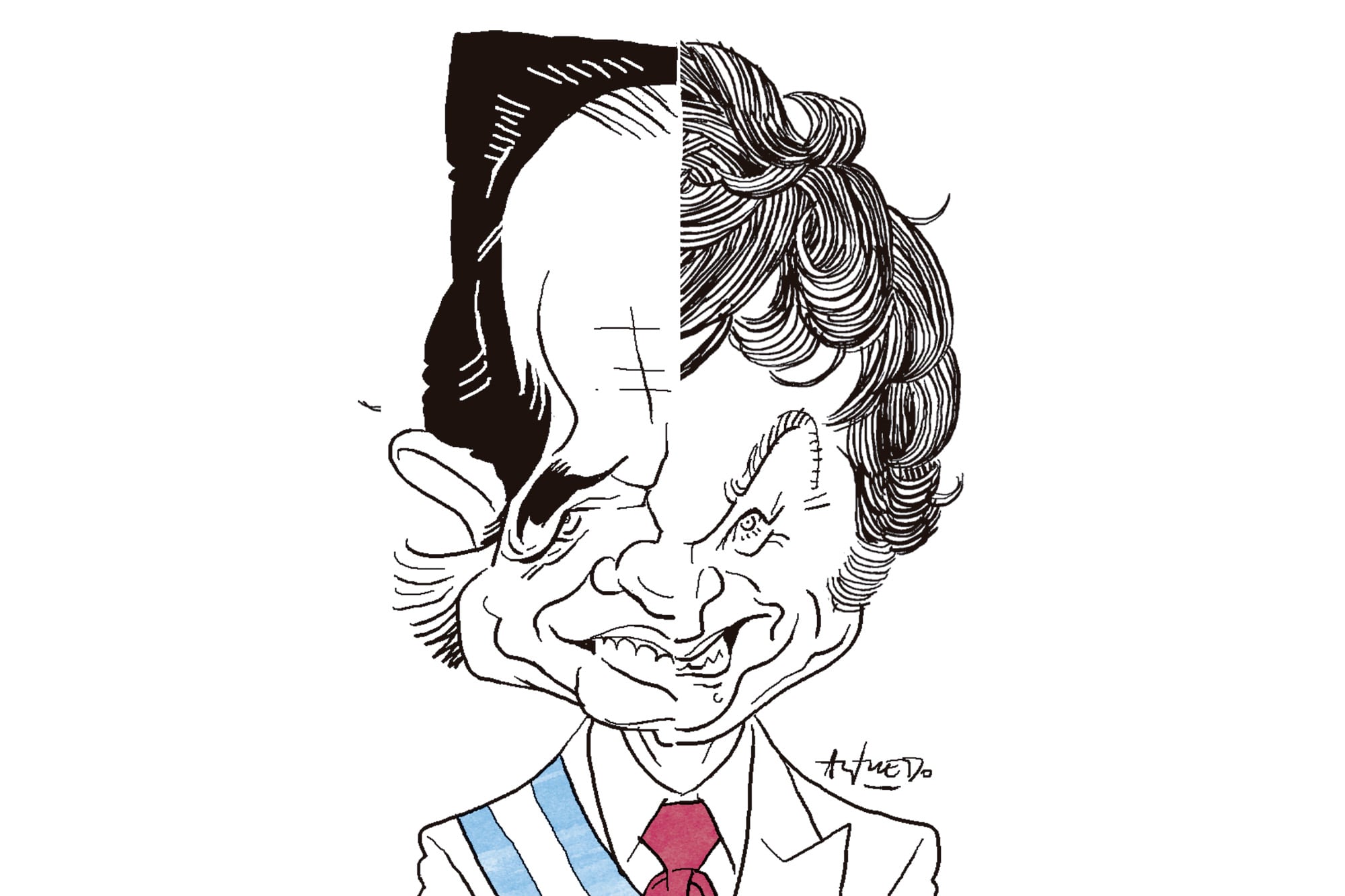
The administration of Argentine President Javier Milei is undergoing a significant strategic shift, moving away from rigid ideological purity towards a more pragmatic, "neomenemism" approach, inspired by the policies of former President Carlos Menem. This evolution is reportedly driven by Karina Milei, the President's sister and Secretary General of the Presidency, who has consolidated internal power, notably over Santiago Caputo. This internal shift signifies a move away from the "Macri without Macri" concept towards a "Menemism without Perón," emphasizing political flexibility and adaptation to changing circumstances.
The government's new direction acknowledges the limitations of its initial "outsider" and "digital militancy" approach, which led to strategic missteps and "own goals" during its first eight months. The upcoming electoral campaign necessitates a greater emphasis on pragmatism over dogma. Key figures from the PRO party, previously associated with Mauricio Macri, such as Diego Santilli and Cristian Ritondo, who have historical ties to Menemism, are now being integrated into the core of the administration. Santilli, in particular, is tasked with managing state affairs and potentially securing Milei's re-election, while maintaining the ultraliberal economic course and strong ties with the United States.
This strategic pivot is occurring amidst a political landscape where the ruling party's trust has waned, yet the opposition remains largely ineffective. Political analysts note that while the "unified right" with controlled inflation and a low dollar presents a formidable challenge, its leadership does not fully represent the diverse electorate. This broader electorate, encompassing various ideological leanings, feels a disconnect with the current libertarian direction, accepting it primarily to avoid a return to "Chavismo." Concerns are rising about the long-term consequences of unchecked orthodoxy, particularly regarding business closures and indiscriminate imports, echoing past economic crises.
The Argentine government's apparent pivot from ideological rigidity to pragmatic "neomenemism" reflects a common challenge faced by new administrations: the tension between campaign promises and the complex realities of governance. By incorporating figures with a history of political adaptability, the administration signals an understanding that governing requires coalition-building and compromise, rather than pure ideological adherence. This strategic recalibration, driven by internal power dynamics and the exigencies of electoral politics, suggests a recognition that "cultural battles" and anti-establishment rhetoric alone are insufficient to achieve policy objectives or maintain public confidence. The shift also highlights a potential system contradiction: the libertarian economic model, emphasizing free markets and minimal state intervention, may necessitate pragmatic political alliances and statecraft that appear at odds with its foundational principles. Future success will likely depend on balancing these competing imperatives, navigating the demands of diverse interest groups, and demonstrating tangible improvements in economic stability and public welfare.
AI-generated to prompt reflection — not editorial opinion, not advice, not a statement of fact. How this works.