Argentina's Milei Proposes US-Style Government Shutdown Mechanism
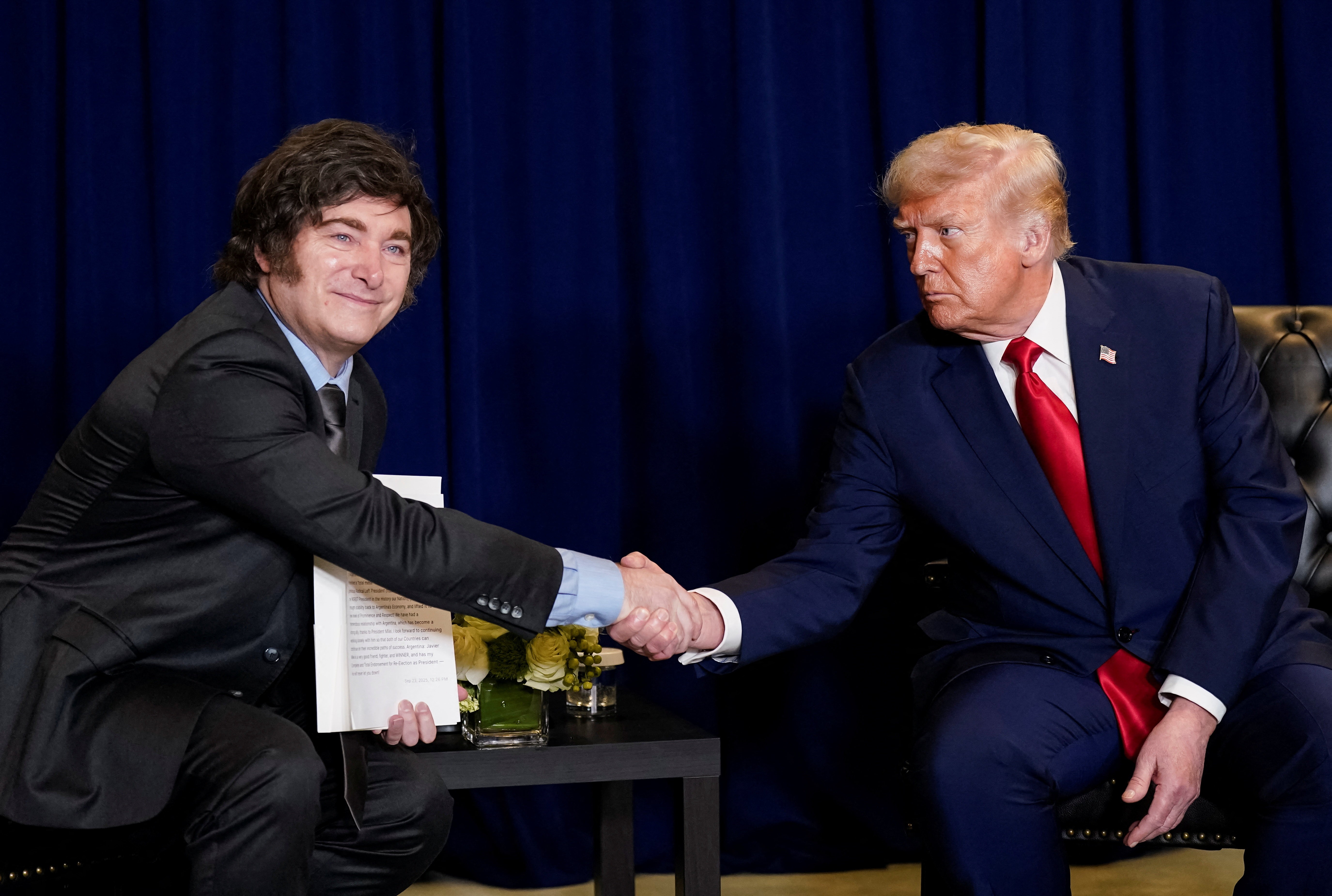
Argentine President Javier Milei announced on Tuesday, February 7th, his intention to introduce legislation for a government "shutdown" mechanism, drawing inspiration from the United States system. The proposal aims to prevent political entities from incurring expenses beyond their actual capacities and the budget approved by the National Congress, thereby enforcing absolute fiscal discipline and setting strict limits on state spending. Milei stated in an interview that the administration is developing this "shutdown of the Executive Power, or rather, of politics." This mechanism in the U.S. is triggered automatically when the legislature fails to pass general budget laws on time or grant temporary funding authorization. Such a shutdown mandates the immediate suspension of all non-essential public administration activities and services, with only national security, public health, and emergency response functions remaining operational. Argentina's current Financial Administration Law dictates that if a budget is not approved by the start of the year, the previous year's budget law automatically takes effect. This ensures the continuous operation of the state and prevents public service paralysis due to political disagreements.
President Milei's proposal to implement a U.S.-style government shutdown mechanism in Argentina reflects a strategy to enforce fiscal austerity by leveraging legislative inaction as a tool for budgetary control. This approach seeks to impose a hard fiscal ceiling by creating a credible threat of service disruption, aiming to incentivize Congress to approve budgets aligned with the Executive's fiscal priorities. Such a system, while potentially effective in curbing deficit spending, carries significant risks of governmental paralysis and disruption to essential services, as demonstrated by recurring challenges in the U.S. The long-term viability and public acceptance of such a mechanism in Argentina will depend on balancing fiscal discipline with the imperative of maintaining core state functions and public welfare, particularly within the context of evolving economic and social pressures over the next decade.
AI-generated to prompt reflection — not editorial opinion, not advice, not a statement of fact. How this works.