Argentina's Milei Seeks Economic and Political Reforms to Bolster Re-election Bid
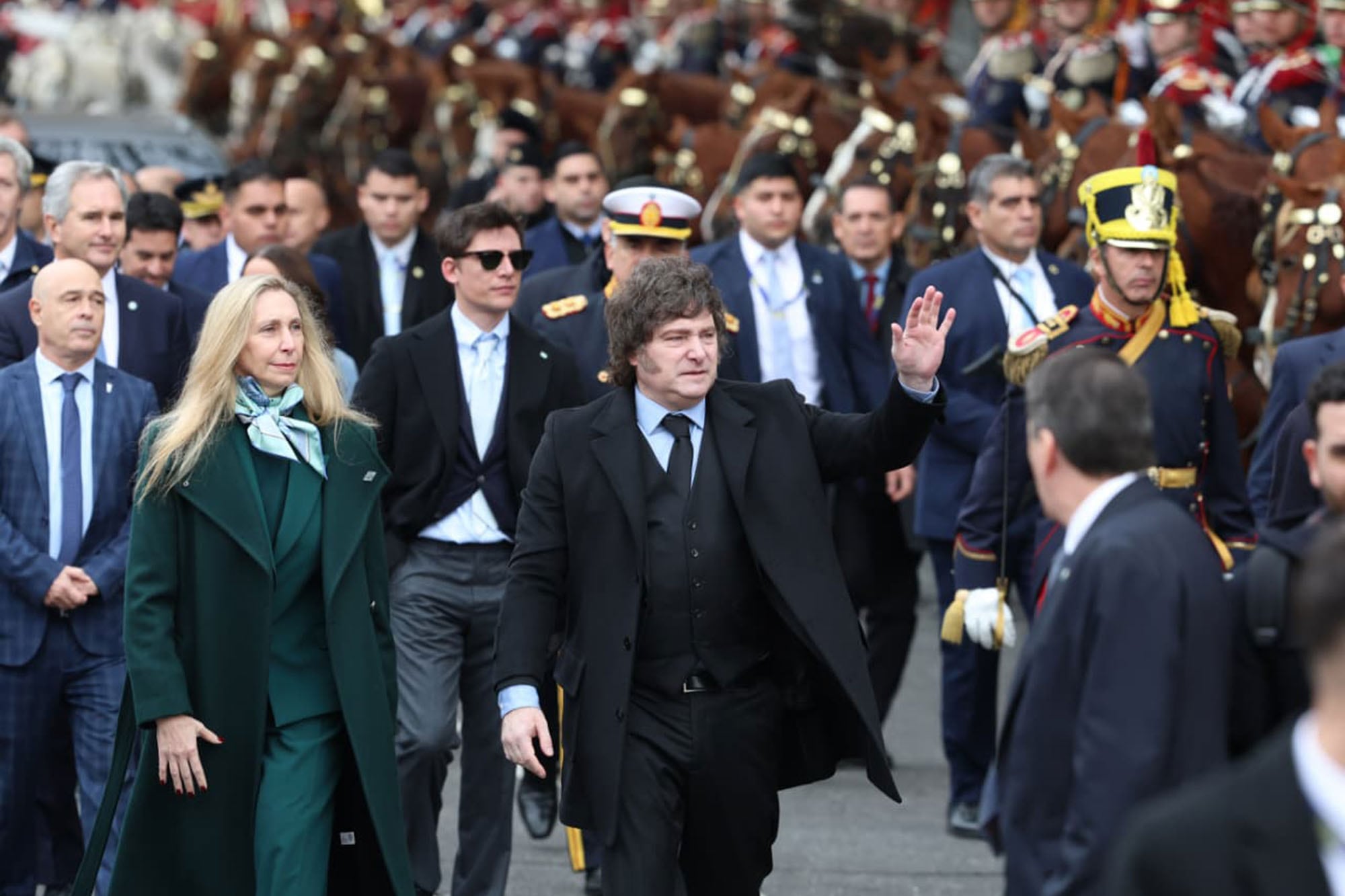
Following the winter recess, Argentina's ruling party aims to advance a package of laws designed to strengthen President Javier Milei's re-election prospects. A key legislative goal is the elimination of the PASO (Open, Simultaneous, and Compulsory Primary) elections, a system that mandates primaries for all political parties. The government also intends to push through a series of economic projects intended to curb financial volatility as the next election campaign approaches. These measures are part of a broader strategy to consolidate political power and stabilize the economy during Milei's current term. The administration believes that by securing legislative approval for these reforms, it can create a more predictable financial environment and a more streamlined political process. The success of these initiatives will be crucial in shaping the political landscape and economic trajectory of Argentina leading up to the next presidential election.
The Argentine government's proposed legislative package, including the elimination of PASO primaries and economic stabilization measures, reflects a strategic effort to consolidate executive power and manage economic volatility. By seeking to streamline the electoral process and reduce financial uncertainty, the administration aims to create a more predictable environment conducive to its policy objectives and potential re-election. This approach highlights a common tension between democratic participation mechanisms, such as primaries, and the desire for governmental efficiency and stability. The effectiveness of these reforms will likely depend on navigating complex political alliances and addressing underlying economic challenges, with potential implications for market confidence and public trust in the coming decade.
AI-generated to prompt reflection — not editorial opinion, not advice, not a statement of fact. How this works.