Argentina's Milei Signs Decree to Bar or Expel Foreigners Promoting Hate Against Argentines
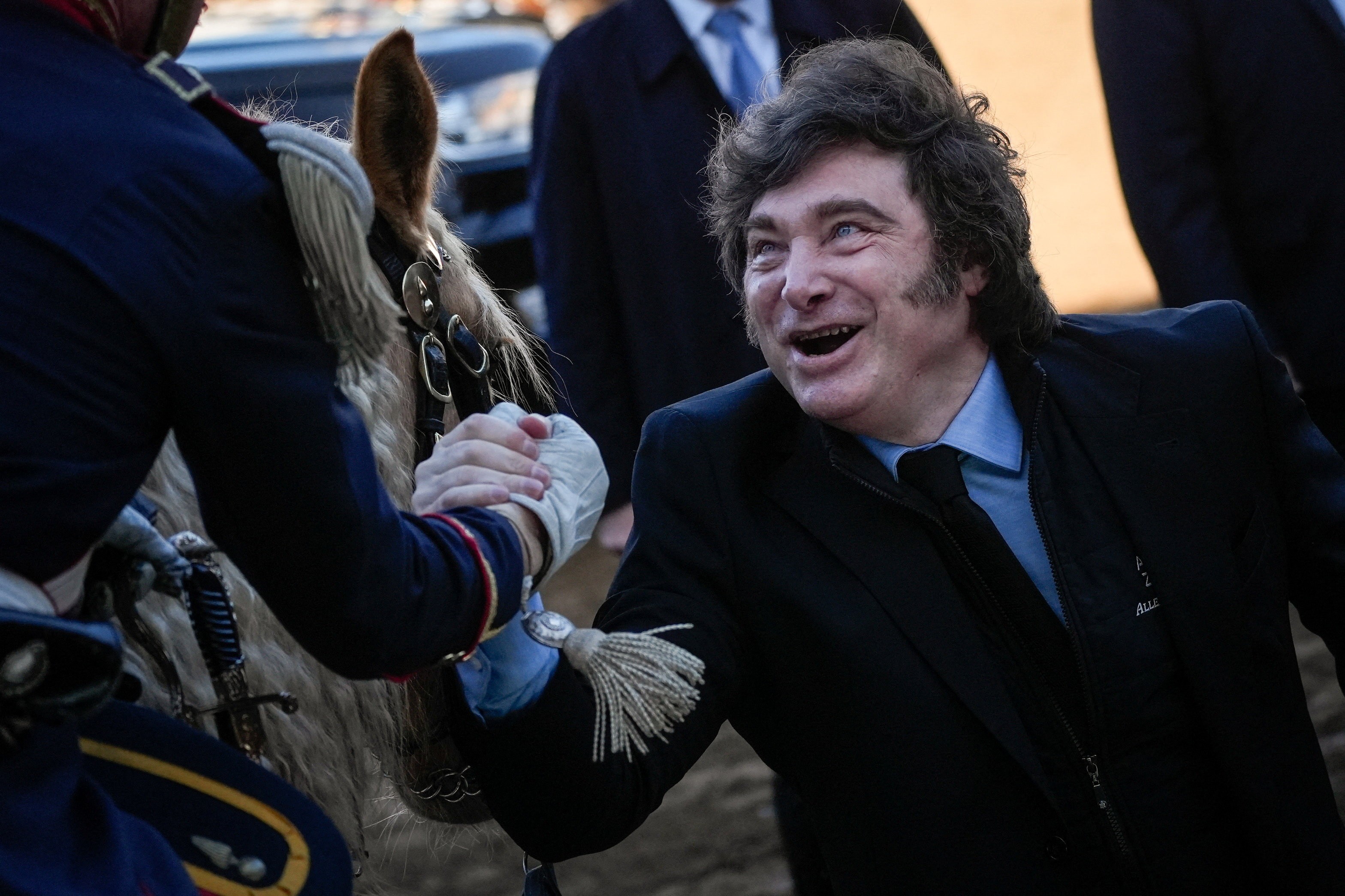
Argentine President Javier Milei has signed a Decree of Necessity and Urgency (DNU) that will prevent the entry into or lead to the expulsion of foreigners who promote hate speech, discrimination, or violence against Argentines based on their nationality. The presidency announced the measure on Wednesday, March 29, stating it responds to "recent manifestations of hostility" against Argentina. The decree specifically targets individuals inciting hatred, discrimination, or violence against Argentine citizens due to their nationality, and also penalizes acts deemed offensive to national symbols. The government emphasized that defending the nation, its citizens, and its patriotic symbols is non-negotiable, declaring that "those who attack the Argentine Republic are not welcome in our country."
This announcement follows a period of heightened diplomatic tension between Argentina and Brazil, triggered by Milei's recent remarks in São Paulo. During a political convention on Saturday, March 25, Milei referred to Brazilian President Luiz Inácio Lula da Silva as a "prisoner" and called Supreme Court Justice Alexandre de Moraes "bald trash." These statements prompted a strong reaction from the Brazilian government, leading to the summoning of the Argentine ambassador in Brasília and Brazil's ambassador in Buenos Aires being recalled for consultations. The Argentine government has also publicly claimed the existence of an international campaign against Argentina, with President Milei alleging, without providing proof, that Brazil financed approximately 25% of this supposed offensive.
The Argentine government's new decree, aimed at barring or expelling foreigners promoting hate speech against Argentines, reflects a heightened focus on national sovereignty and identity in public discourse. This policy emerges amidst significant diplomatic friction, particularly with Brazil, following controversial statements by President Milei. From a systemic perspective, such measures can be viewed as an attempt to consolidate national sentiment and project an image of strength, potentially appealing to domestic audiences concerned about external criticism or perceived threats. However, the broad definition of "hate speech" and "offenses to national symbols" could present challenges in consistent application and may raise concerns about potential overreach or selective enforcement. In the evolving global landscape, where information flows rapidly and national narratives are constantly contested, balancing robust national defense with international cooperation and open dialogue will be a key challenge for governance in the coming decade.
AI-generated to prompt reflection — not editorial opinion, not advice, not a statement of fact. How this works.