Argentina's Milei Signs Decree to Expel Foreigners for Anti-Argentine Sentiment
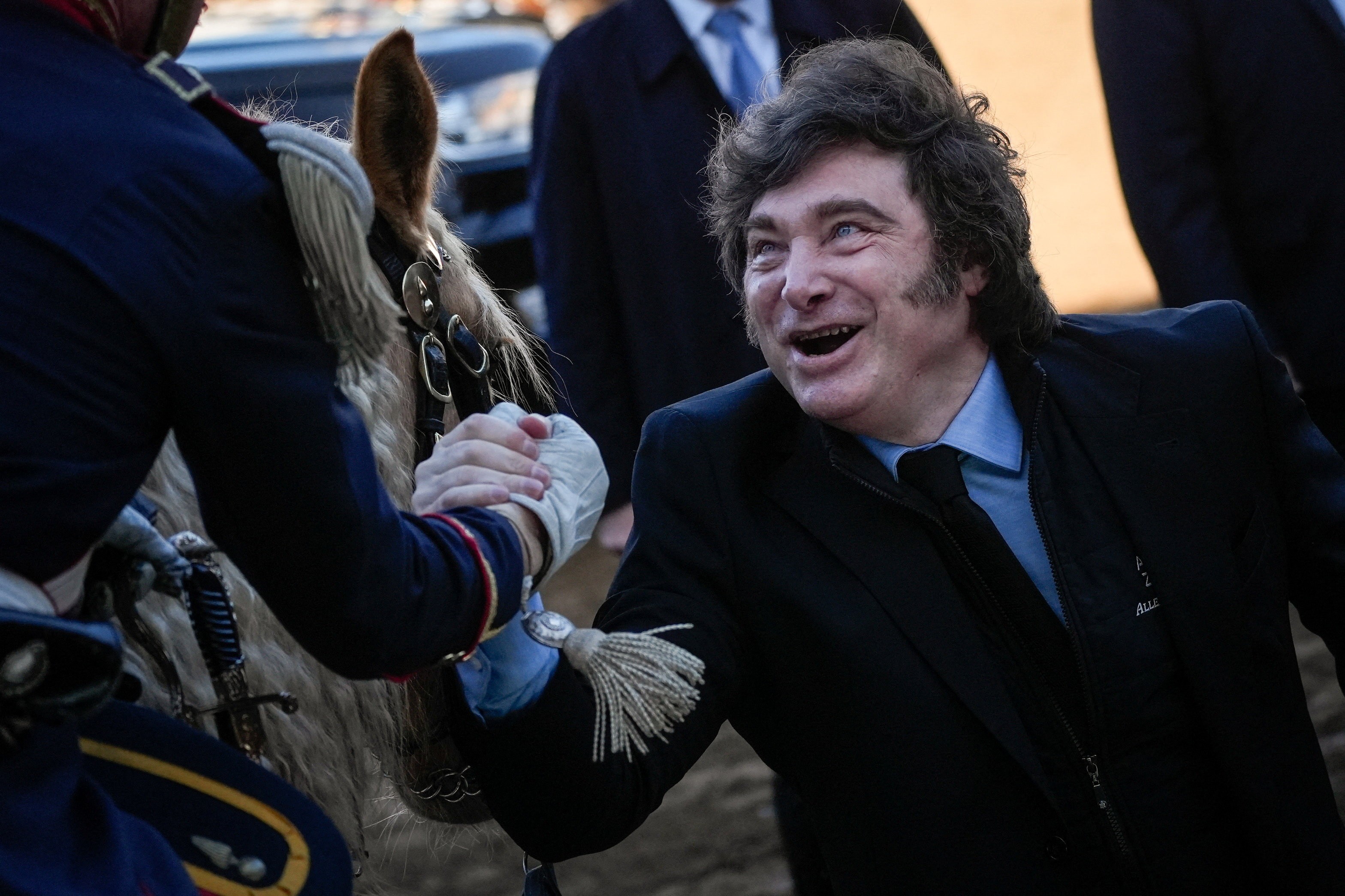
Argentine President Javier Milei has signed a decree allowing for the expulsion or denial of entry to foreigners who promote hate speech, discrimination, or violence against Argentines. The measure, announced by the Presidency on Wednesday, March 29, is classified as a Decree of Necessity and Urgency (DNU) and will take effect on Friday, March 31, pending legislative approval. The decree must be analyzed by a bicameral parliamentary commission and then sent to the full chambers of Congress for validation within ten business days. This move comes amid heightened diplomatic tensions between Argentina and Brazil, following controversial remarks made by Milei on Saturday, March 25, in São Paulo. During a political event, Milei referred to Brazilian President Luiz Inácio Lula da Silva as a "convict" and Supreme Court Justice Alexandre de Moraes as "bald trash." These statements prompted a strong reaction from the Brazilian government, leading to the summoning of Argentina's ambassador to Brazil and Brazil's ambassador to Argentina being recalled for consultations. The Argentine government has also publicly claimed the existence of an international campaign against Argentina, with President Milei alleging, without providing evidence, that Brazil financed a significant portion of this alleged offensive. A recent poll in Argentina indicated that nearly 80% of Argentines believe such a campaign exists. The Brazilian government has described Milei's remarks as "unprecedented" and "unacceptable," with Foreign Minister Mauro Vieira calling them "harsh, rude, and unacceptable" and constituting interference in Brazil's internal affairs. The Supreme Federal Court of Brazil also issued a statement of repudiation regarding Milei's comments about Justice Moraes.
The Argentine government's new decree on foreign nationals, framed as a defense against perceived hostility, introduces stringent measures that could significantly impact immigration policy. This action, occurring amidst a notable diplomatic dispute with Brazil, suggests a potential strategy of leveraging nationalistic sentiment and assertive foreign policy to consolidate domestic support. The decree's broad language regarding "hate speech" and "offenses against national symbols" may present challenges in consistent application and could be susceptible to political interpretation. As AI and digital communication continue to shape global discourse, the definition and enforcement of such policies will be increasingly complex, requiring careful consideration of free expression versus national security concerns. The interplay between domestic political objectives and international relations, particularly within the Mercosur bloc, will be critical in determining the long-term implications of this decree and its potential to foster or hinder regional stability.
AI-generated to prompt reflection — not editorial opinion, not advice, not a statement of fact. How this works.