Argentina's Miraculous Journey to the World Cup Final
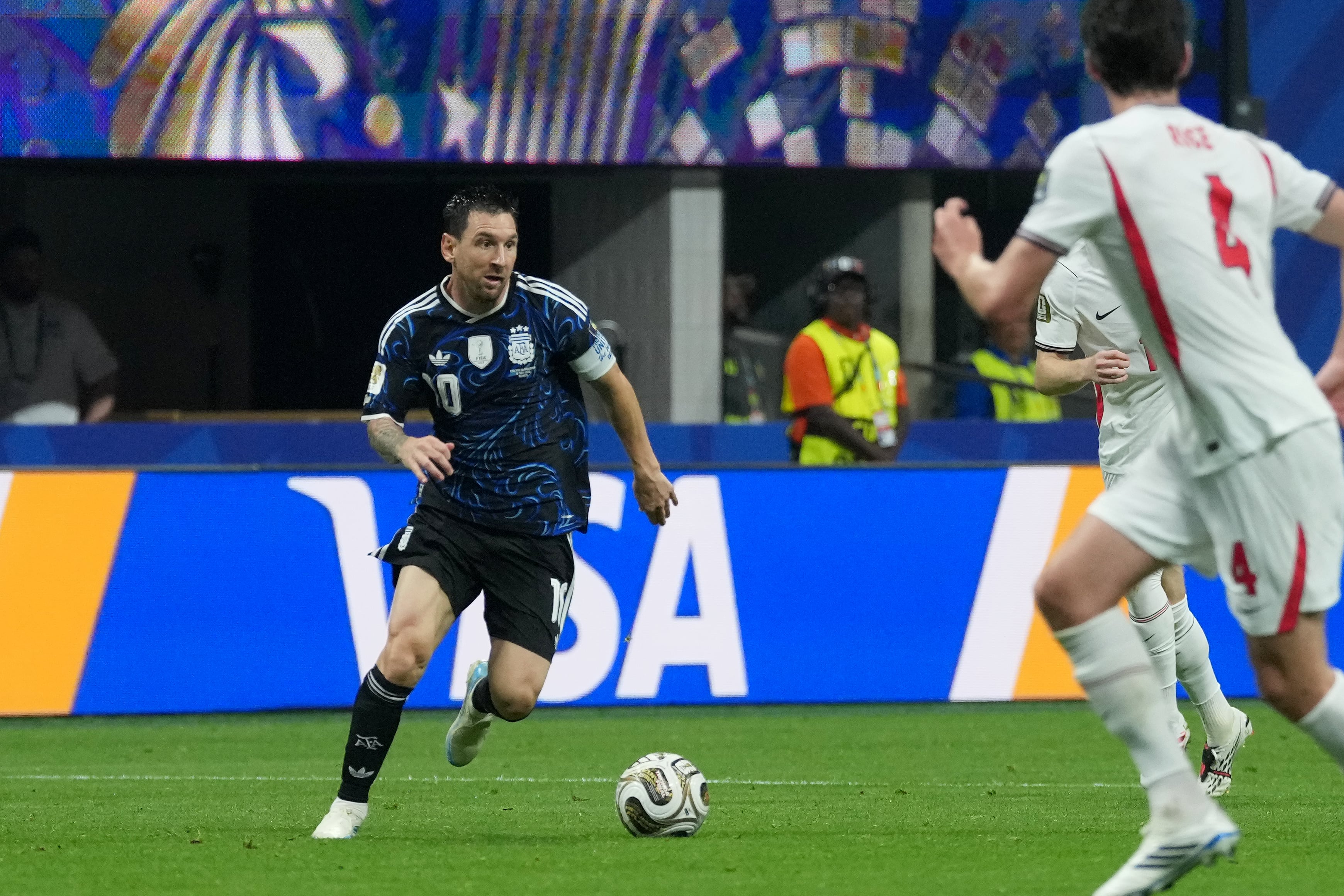
Argentina's path to the 2022 World Cup final in Qatar was marked by a series of dramatic comebacks and narrow victories. The team, who went on to become world champions, managed to turn around two crucial matches in the final minutes of play. In addition to these late-game heroics, Argentina also navigated through two knockout matches that extended into extra time. These tense encounters highlighted the team's resilience and ability to perform under extreme pressure throughout the tournament. The journey required significant mental fortitude and tactical adjustments to overcome formidable opponents. Ultimately, these nail-biting finishes and extended periods of play were defining characteristics of their successful campaign.
Argentina's World Cup victory was characterized by a remarkable ability to secure results in high-pressure, late-stage scenarios. This pattern of overcoming deficits in the closing minutes and through extra time suggests a strong team dynamic and effective coaching that fostered resilience. From a strategic perspective, consistently performing under such duress indicates robust psychological preparation and tactical flexibility. Looking ahead, understanding the specific factors that enabled these comebacks could offer insights into optimizing performance under pressure in future competitive environments, potentially influencing training methodologies and team psychology in sports and other high-stakes fields.
AI-generated to prompt reflection — not editorial opinion, not advice, not a statement of fact. How this works.