Argentina's Official and Parallel Dollar Exchange Rates on July 16
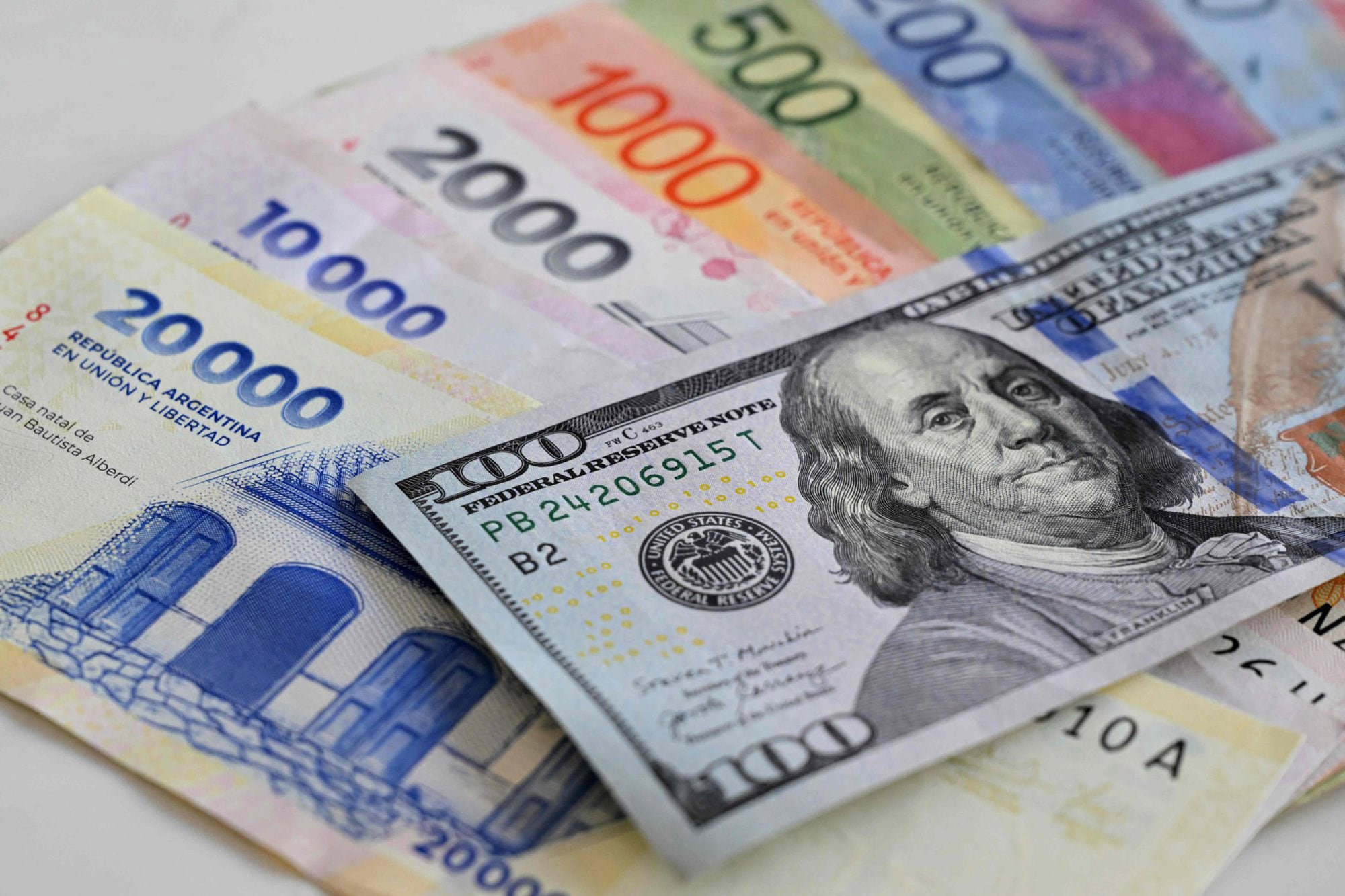
On Thursday, July 16, Argentina's official dollar exchange rate was trading at 1495 pesos for selling. Simultaneously, the parallel market, often referred to as the "dólar blue," was priced at 1530 pesos for selling. These figures represent the fluctuating values of the US dollar against the Argentine peso in both regulated and informal markets. The spread between the official and parallel rates indicates the ongoing economic pressures and currency controls within the country. This daily fluctuation is closely watched by Argentines as it impacts purchasing power and investment decisions. The official rate is typically influenced by central bank policies and government regulations, while the blue dollar reflects market sentiment and demand outside of formal channels. The difference highlights the complexities of Argentina's foreign exchange system.
The divergence between Argentina's official and "dólar blue" exchange rates highlights persistent currency controls and market segmentation. This dual-market system often arises from attempts to manage inflation and capital flight, but it can create distortions and incentivize informal economic activity. The significant spread suggests that market participants perceive higher risk or demand for dollars outside of official channels, potentially reflecting a lack of confidence in economic policies or the peso's stability. Over the next decade, such persistent dual-exchange rate regimes may prove unsustainable as global financial systems become more integrated and digital, potentially leading to increased pressure for currency liberalization or further economic volatility.
AI-generated to prompt reflection — not editorial opinion, not advice, not a statement of fact. How this works.