Argentina's Senate Session Sparks Heated Exchange Between Bullrich and Villarruel
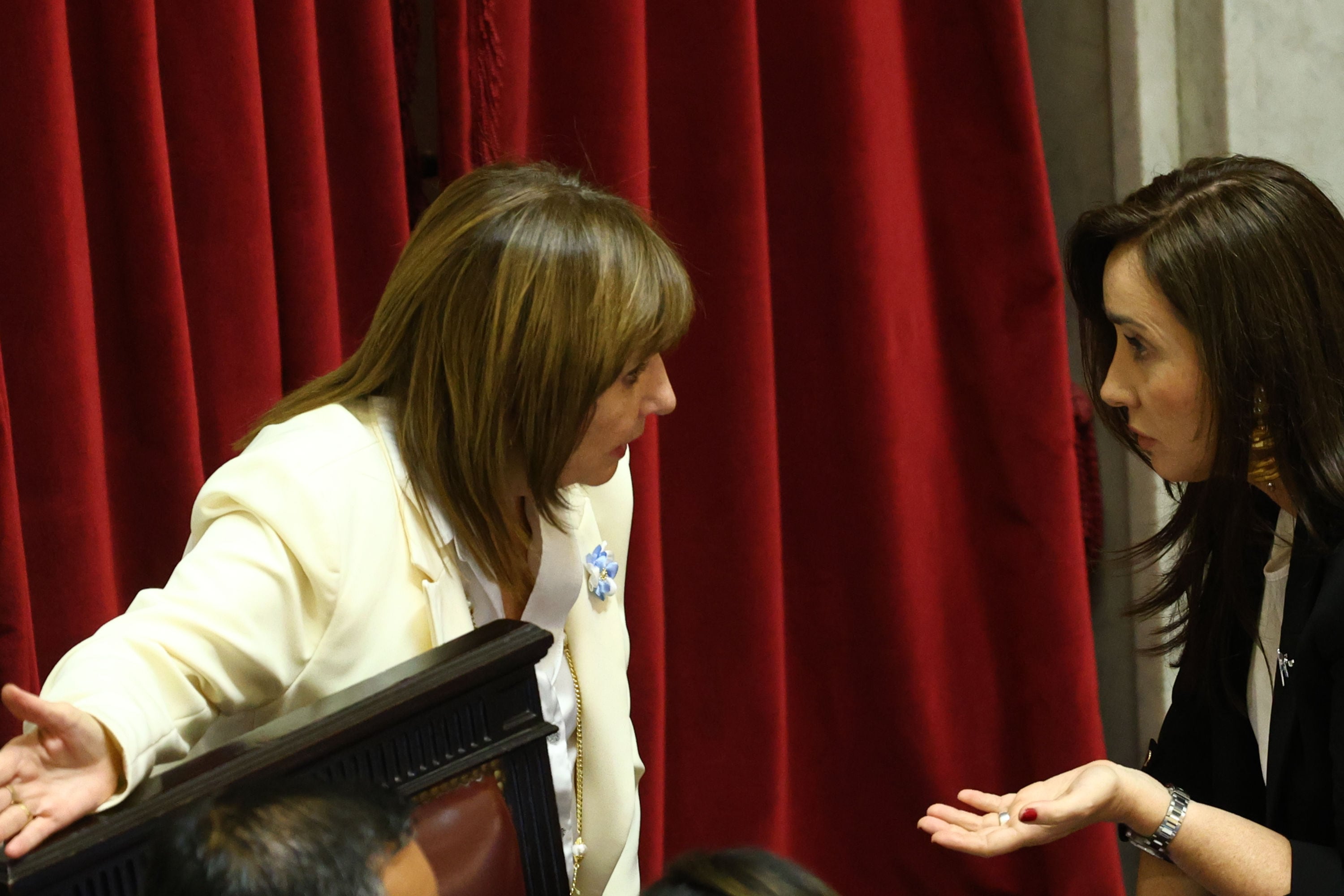
A sharp exchange of messages occurred this afternoon between Senator Patricia Bullrich and Vice President Victoria Villarruel regarding a Senate session and land law. The disagreement arose after Argentina's victory in a sporting event, prompting Villarruel to suggest postponing the session. Senator Bullrich, however, strongly opposed this idea, leading to a significant escalation in the tone of their reproaches. The exchange highlights underlying tensions within the political landscape concerning legislative procedures and priorities, particularly when juxtaposed with national celebrations. The specific details of the land law being discussed were not elaborated upon, but its presence indicates a significant legislative agenda item.
The incident underscores the complexities of managing parliamentary affairs amidst national events and differing political viewpoints. The differing stances taken by Bullrich and Villarruel suggest a potential divergence in their approaches to governance and the urgency of legislative matters. This public display of disagreement, even if brief, can offer insights into the dynamics of power and negotiation within the Argentine Senate.
This exchange between Senator Bullrich and Vice President Villarruel over a Senate session's timing, particularly in light of a national sporting victory, reveals a tension between symbolic national moments and the operational demands of governance. The differing perspectives on postponing legislative business suggest varying priorities and potentially different interpretations of public sentiment or political expediency. Such instances highlight the delicate balance required for effective legislative functioning, where political actors must navigate both substantive policy debates and the often-unpredictable currents of national events and public mood. Understanding these dynamics is crucial for assessing the stability and efficiency of legislative processes in the coming years, especially as political environments become increasingly influenced by rapid information flows and heightened public expectations.
AI-generated to prompt reflection — not editorial opinion, not advice, not a statement of fact. How this works.