Argentina's Soy Exports Lag as Brazil Dominates After Decade of Export Taxes
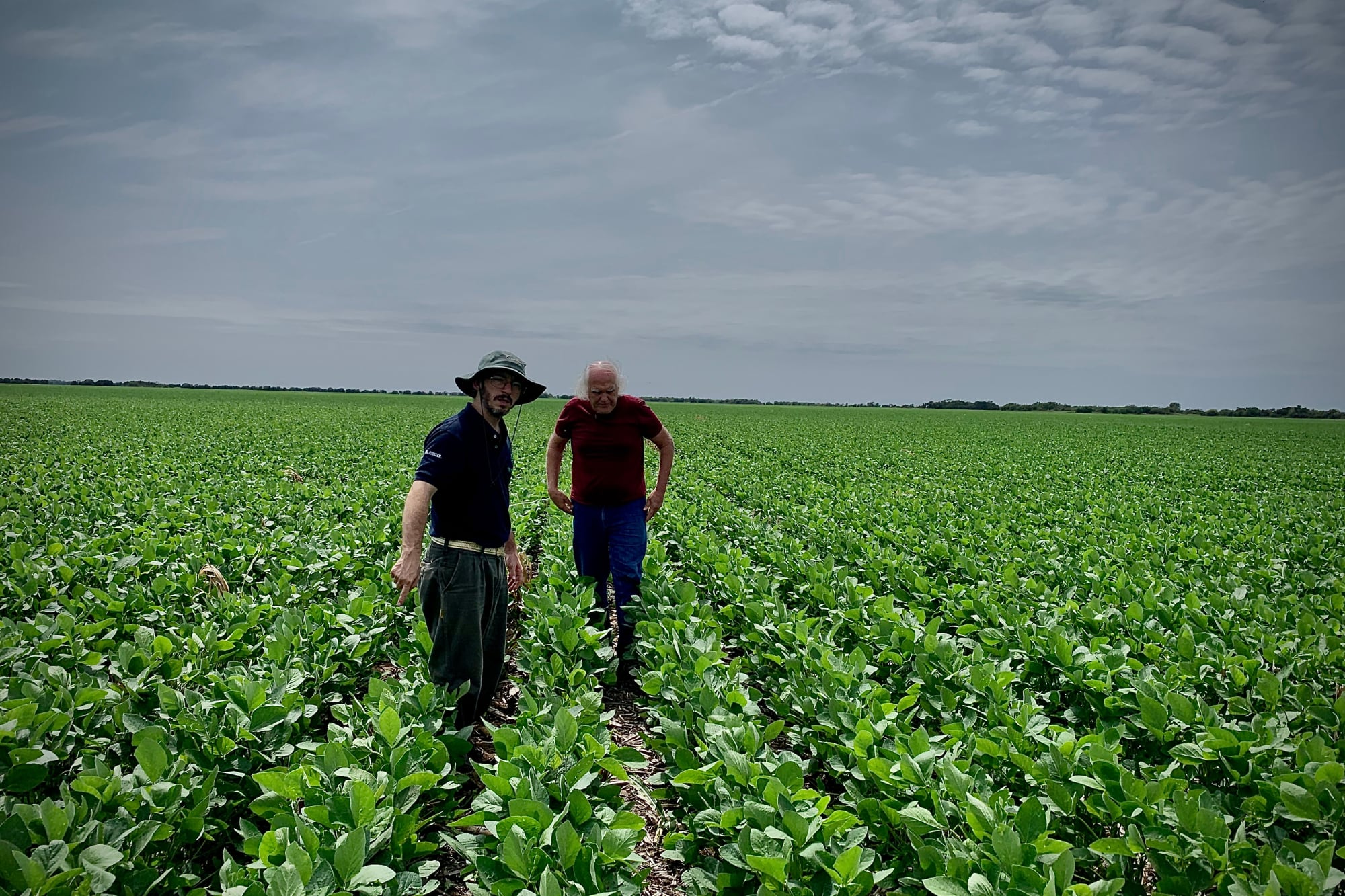
Argentina's soybean production has declined, with a reduction in planted area and a loss of market share in flour exports. This contrasts sharply with neighboring Brazil, which has seen its soybean production surge by 86% over the past decade, solidifying its leading position in international markets. The divergence is attributed to Argentina's export taxes on soybeans, which have hindered its competitiveness. While Brazil has expanded its agricultural output and global reach, Argentina has struggled to maintain its position. The country's soybean harvest has diminished, and its share in the global export market for soybean flour has been significantly eroded. This trend suggests a decade of lost opportunity for Argentina's agricultural sector, particularly in the lucrative soybean market.
Argentina's policy of imposing export taxes on soybeans appears to have created a significant competitive disadvantage compared to Brazil's more favorable export environment. This divergence in policy has led to Brazil's substantial production increase and market consolidation, while Argentina has experienced a contraction in its agricultural output and export participation. Over the next decade, as global demand for agricultural commodities continues to rise, particularly from Asia, Argentina's current policy framework may further entrench its disadvantage. Examining the long-term economic incentives and the impact of fiscal policies on agricultural competitiveness is crucial for understanding Argentina's trajectory in global agricultural markets and for identifying potential policy adjustments that could foster growth and regain market share.
AI-generated to prompt reflection — not editorial opinion, not advice, not a statement of fact. How this works.