Argentina's World Cup Endurance Tested in 2026 Qualifiers
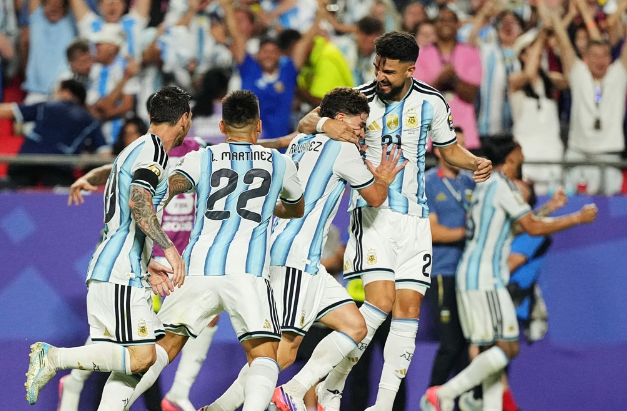
Argentina has a strong historical record in matches decided by extra time or penalty shootouts, having won 11 out of 13 such encounters. This resilience was notably tested during the recent World Cup, where they faced two such challenging scenarios. In the round of 32, they played against Cape Verde, and in the quarterfinals, their opponent was Switzerland. Despite these difficult matches, Argentina managed to advance in both instances. This pattern highlights their ability to perform under pressure when games extend beyond regulation time. The team's performance in these high-stakes situations suggests a mental fortitude that has served them well in past tournaments. Their history indicates a tendency to emerge victorious when matches go down to the wire. This year's World Cup saw this trend continue, with two separate games requiring decisive moments beyond the initial 90 minutes. The team's success in these penalty shootouts and extra-time battles underscores their experience and composure in critical junctures.
Argentina's historical success in penalty shootouts and extra time suggests a strong psychological advantage built over time. This pattern, while indicative of resilience, also points to a potential strategic vulnerability if opponents can consistently force games into these extended formats. Future opponents might analyze this trend to adapt their game plans, aiming to secure victories within regulation time. The team's ability to repeatedly overcome such pressure situations merits examination of their training, coaching, and player psychology, particularly as the demands of international football evolve. Understanding the systemic factors that contribute to this consistent performance under duress could offer insights into effective strategies for managing high-stakes competition in the upcoming decade.
AI-generated to prompt reflection — not editorial opinion, not advice, not a statement of fact. How this works.