Argentina's World Cup Exit Highlights South America's Struggles Against European Teams
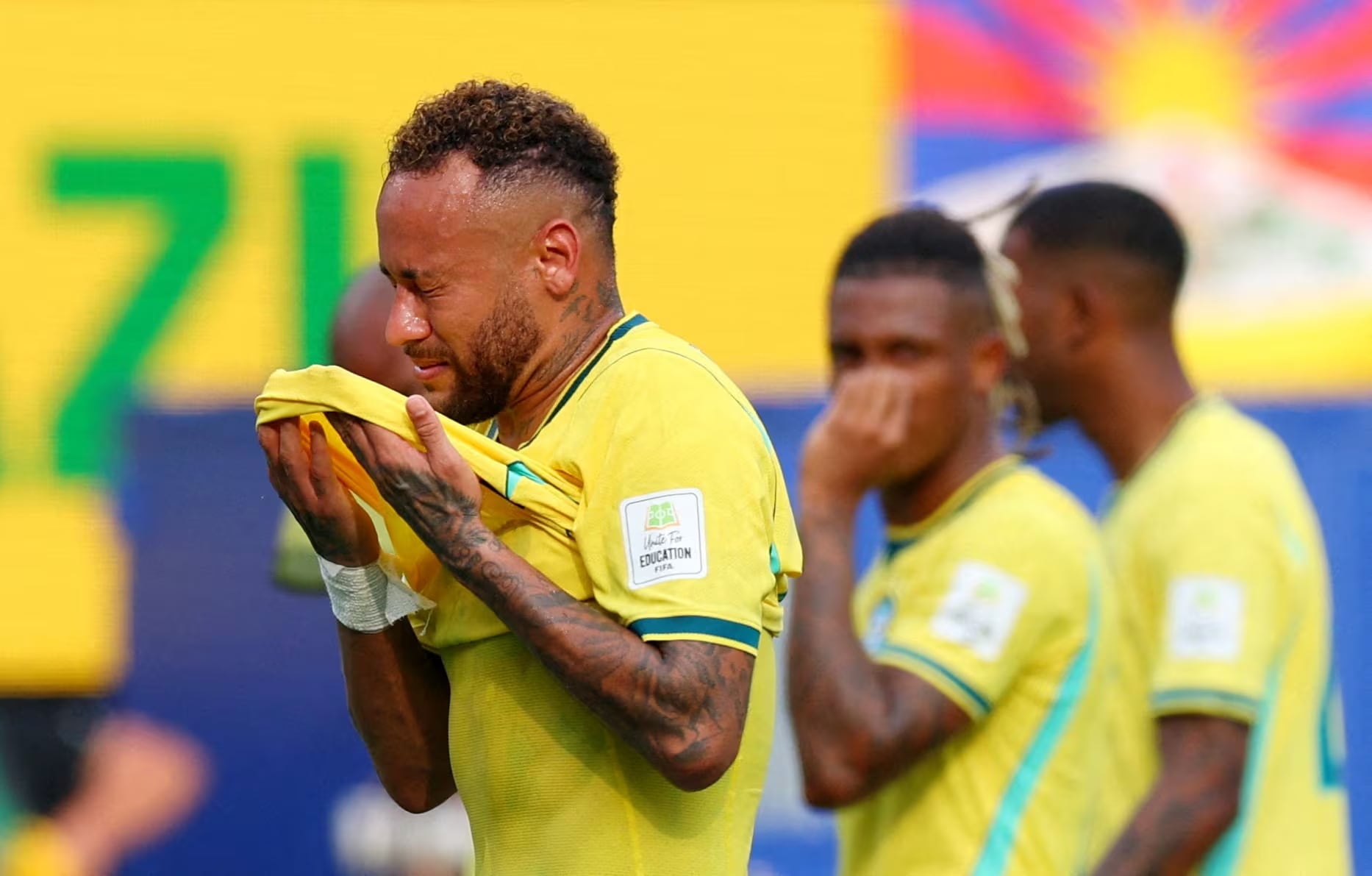
Argentina's recent performance in the World Cup has underscored a broader trend of South American teams struggling against European competition. This pattern was last seen in the 2002 Korea-Japan World Cup, where only one team from the CONMEBOL confederation reached the quarterfinals. Despite this historical underrepresentation in the later stages, it's notable that when a single South American team has advanced that far, it has frequently contended for the championship title. The current situation suggests a growing dominance of European footballing nations on the global stage, raising questions about the competitive balance between the confederations.
The consistent performance gap between South American and European teams in major international tournaments warrants examination of underlying factors. These may include differences in national team funding, player development pathways, tactical approaches, and the competitive intensity of domestic leagues. Examining the governance and strategic investments within CONMEBOL and its member federations could reveal opportunities to enhance competitiveness. Future trends in global football, influenced by evolving training methodologies and technological integration, will likely shape the trajectory of inter-confederation rivalries over the next decade.
AI-generated to prompt reflection — not editorial opinion, not advice, not a statement of fact. How this works.