Argentina's World Cup Loss Sparks International Celebrity and Political Backlash
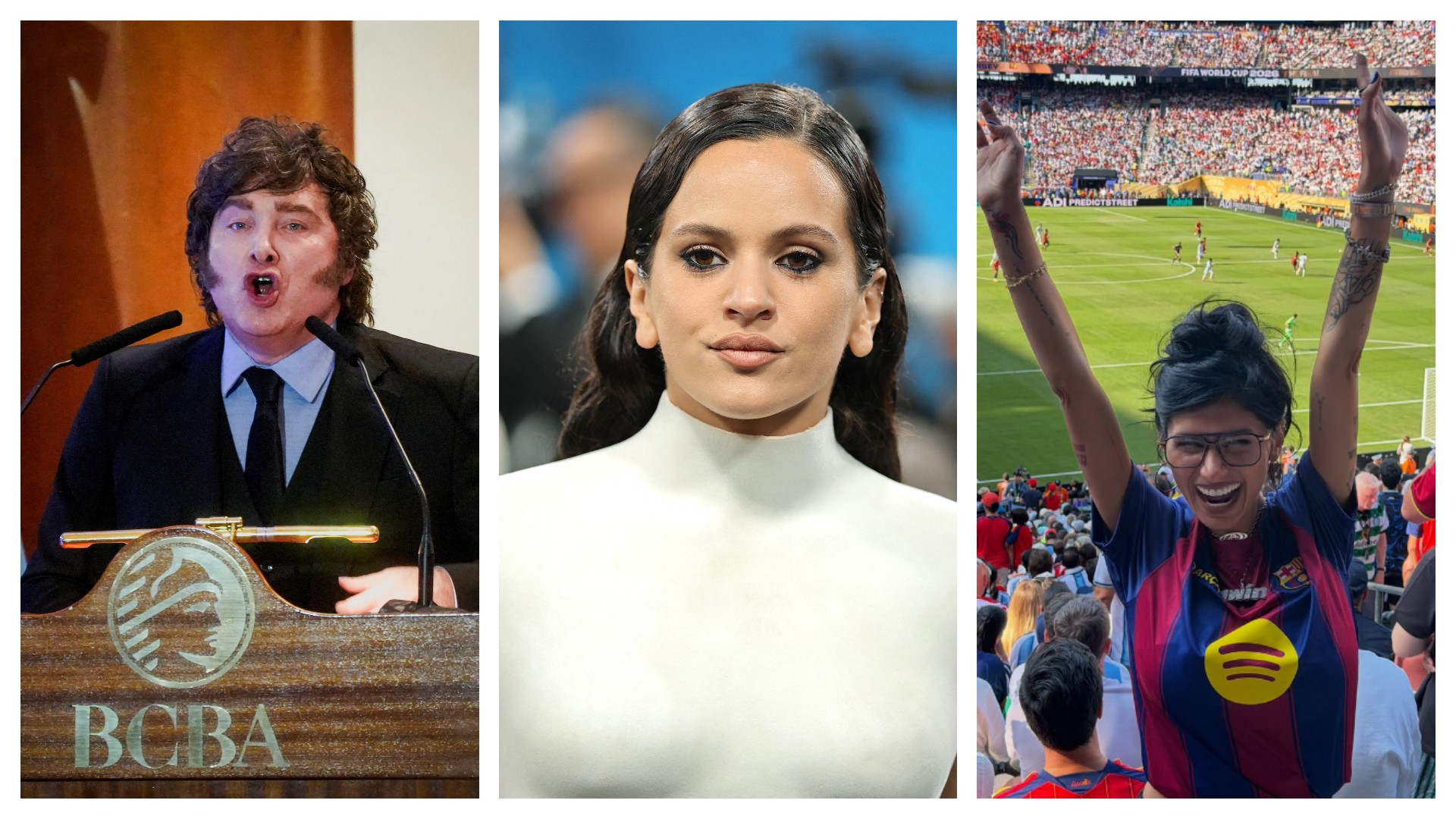
Argentina's defeat in the 2026 World Cup final against Spain has ignited a firestorm extending beyond the sport, drawing in international celebrities, political figures, and government responses. The loss has generated widespread memes and online commentary, with numerous foreign celebrities expressing support for Spain or making remarks that have been perceived as provocative by Argentine fans. This has led to backlash, including calls for boycotts of artists scheduled to perform in Argentina.
Notable figures like Spanish singer Rosalía and Lebanese-American influencer Mia Khalifa faced criticism after sharing content celebrating Spain's victory, which included a song lyric interpreted as demeaning to Argentina. Rosalía later apologized, stating she reposted the video solely for its use of her music and has affection for Argentina. American singer Lauren Jauregui and Irish singer Niall Horan also faced backlash for posts perceived as anti-Argentine, with both issuing explanations and apologies.
Argentine President Javier Milei has publicly responded to the perceived global backlash against his country, characterizing it as envy and a consequence of Argentina's prominence. He shared messages suggesting that the world would witness the potential of a nation filled with Argentines. These sentiments have fueled discussions within Argentina about potentially imposing charges on foreigners for public services, a topic already on the government's agenda. The FIFA has also opened an investigation into altercations involving Argentine players and staff during the final match.
The international reaction to Argentina's World Cup final loss highlights the potent intersection of sports, celebrity influence, and national identity in the digital age. Perceived slights from foreign celebrities, amplified by social media, can rapidly escalate into nationalistic sentiment, prompting political figures like President Milei to engage, potentially leveraging such events for domestic political messaging. This dynamic underscores the growing challenge for public figures to navigate global platforms without inadvertently triggering cultural or political sensitivities. The situation also reveals the underlying tensions in global interactions, where cultural expressions can be interpreted through lenses of rivalry and perceived disrespect, leading to calls for punitive measures. Future governance models may need to account for the rapid mobilization of public opinion and national sentiment triggered by online interactions, particularly in contexts where national pride is a significant factor.
AI-generated to prompt reflection — not editorial opinion, not advice, not a statement of fact. How this works.