Argentina Simplifies Export Regulations for Oil, Fuels, and Liquefied Gas
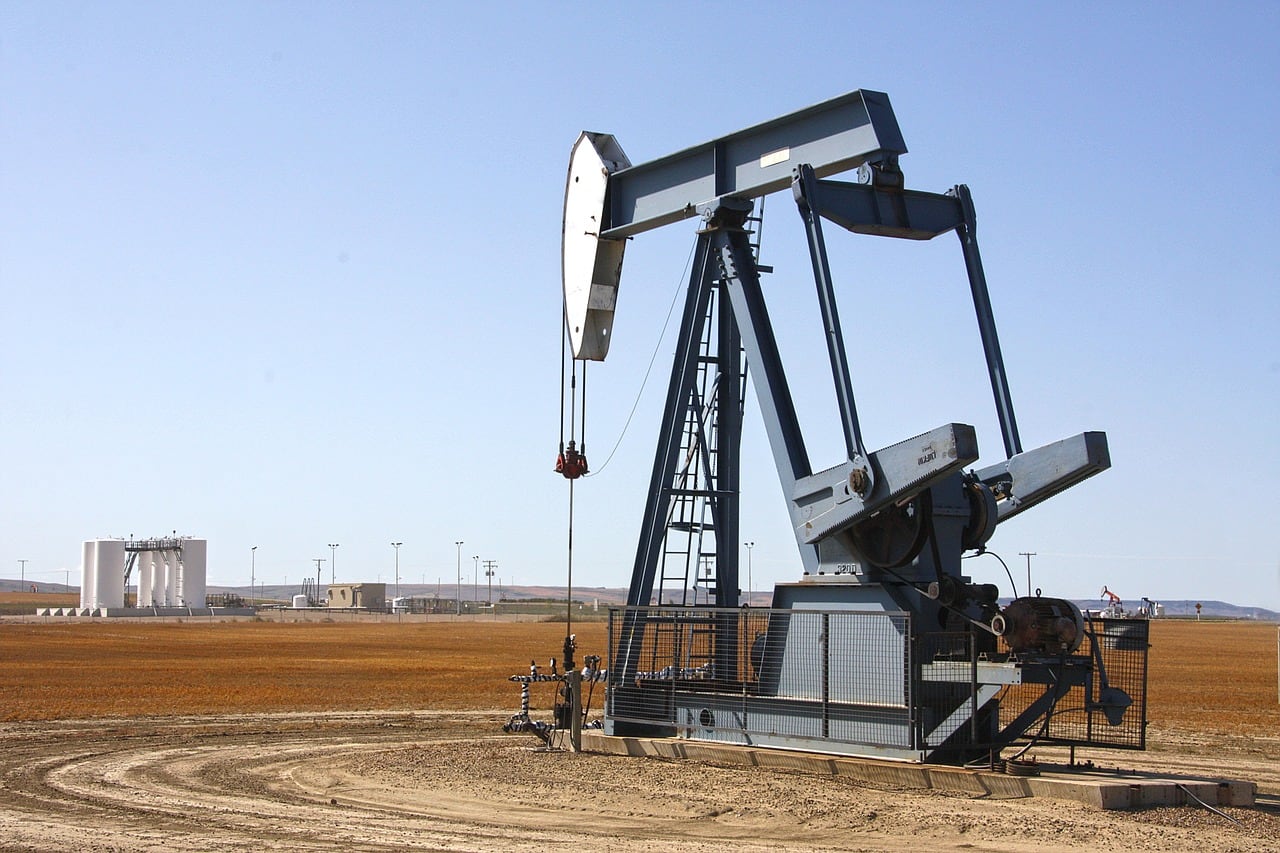
Argentina's Secretariat of Energy has streamlined the export regime for oil, fuels, and liquefied gas. The new regulations unify previously disparate procedures, establishing clear deadlines for authorities to raise objections to export applications. A significant change is the elimination of the mandatory requirement for exporters to initially offer their products to the domestic market before seeking international buyers.
This move aims to facilitate and expedite the export process for these key energy commodities. By simplifying bureaucratic steps and removing prior domestic market obligations, the government seeks to boost the country's export capacity and potentially attract more foreign investment in the energy sector. The specific details of the unified procedures and the new objection timelines are intended to create a more predictable and efficient environment for energy producers and traders.
The Argentine government's simplification of export regulations for oil, fuels, and liquefied gas reflects a strategic pivot towards enhancing energy export competitiveness. By removing the prior obligation to supply the domestic market first, the administration signals an intent to prioritize international market access and potentially capture greater foreign exchange earnings. This policy shift may stimulate investment in production capacity, driven by the prospect of more immediate and potentially lucrative global sales. However, policymakers must carefully balance the benefits of increased exports against potential domestic supply vulnerabilities and price volatility, particularly in the context of evolving global energy dynamics and Argentina's own energy security needs over the next decade.
AI-generated to prompt reflection — not editorial opinion, not advice, not a statement of fact. How this works.