Argentina VP sparks controversy by calling England 'usurping pirates' ahead of World Cup match
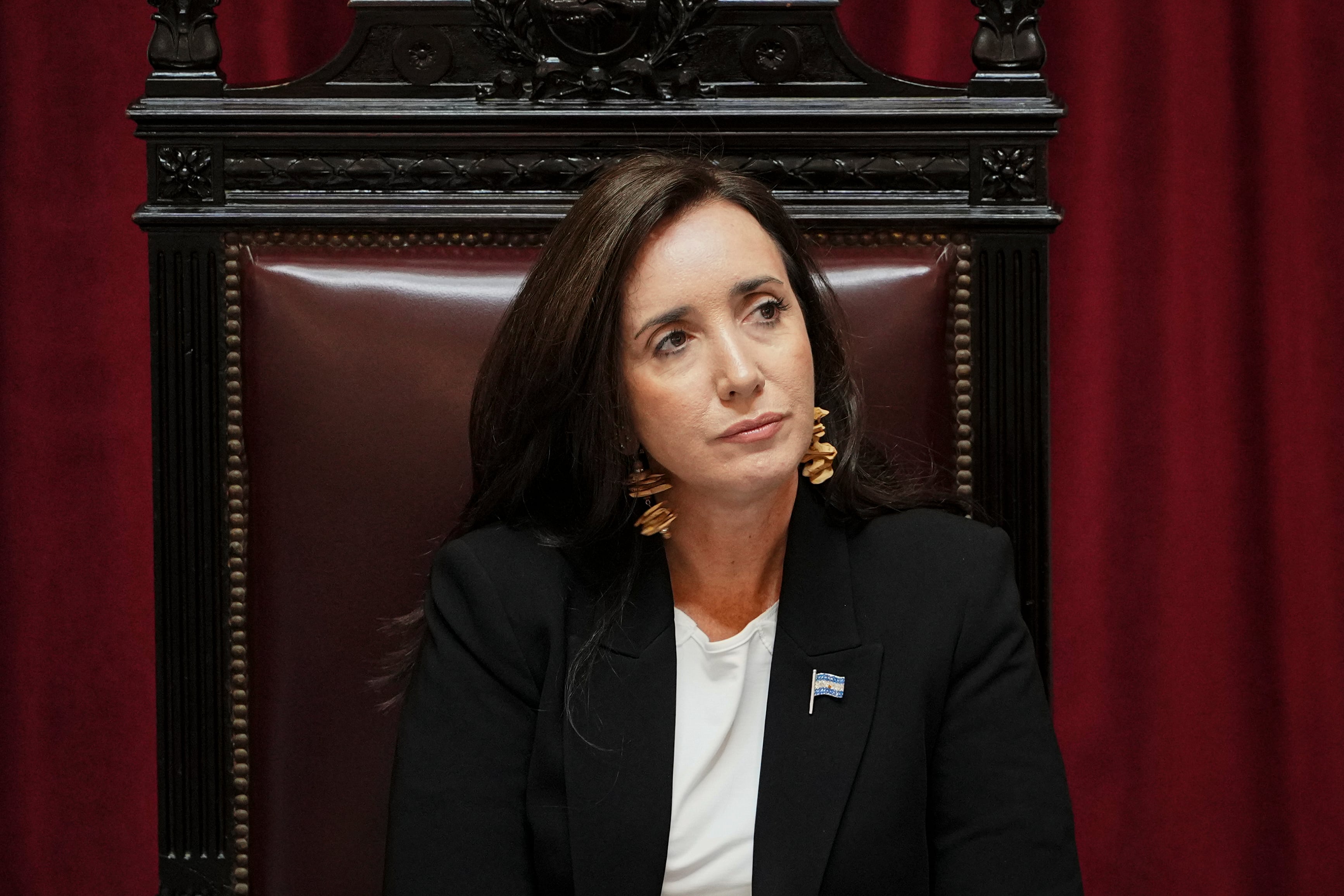
Argentina's Vice President Victoria Villarruel has ignited a political firestorm by referring to England as "usurping pirates" in the context of the FIFA World Cup semifinal match. Villarruel drew a direct parallel between the football game and the ongoing political dispute over the sovereignty of the Falkland Islands, known as the Malvinas in Argentina. This inflammatory language, linking a sporting event to a sensitive territorial claim, has drawn significant attention and criticism. The vice president's statement appears to leverage the nationalistic fervor surrounding the World Cup to underscore Argentina's long-standing claim to the islands. The Falklands, a British Overseas Territory, have been a point of contention between Argentina and the United Kingdom since the 19th century, culminating in a brief war in 1982. Villarruel's remarks are likely to be perceived as a provocative move, potentially escalating diplomatic tensions. The timing of her statement, just before a major international sporting event, suggests a deliberate attempt to bring the sovereignty issue to the forefront of public discourse. Her choice of words, "piratas usurpadores," carries strong historical and emotional weight for many Argentinians. This incident highlights the complex interplay between national identity, historical grievances, and contemporary political rhetoric in Argentina.
The Vice President's rhetoric strategically employs historical grievances and nationalistic sentiment, framing a sporting event as a proxy for a territorial dispute. This approach leverages the emotional resonance of the Falklands/Malvinas issue to galvanize public opinion and assert a political stance on sovereignty. Such framing, while potent for domestic audiences, risks exacerbating international relations and may overshadow the sporting achievement itself. In the context of evolving global dynamics and the increasing importance of international cooperation, aligning nationalistic fervor with diplomatic discourse requires careful consideration of long-term consequences and potential repercussions on bilateral ties and multilateral engagement.
AI-generated to prompt reflection — not editorial opinion, not advice, not a statement of fact. How this works.