Argentine Author Reflects on 1986 World Cup, Maradona, and Personal Life
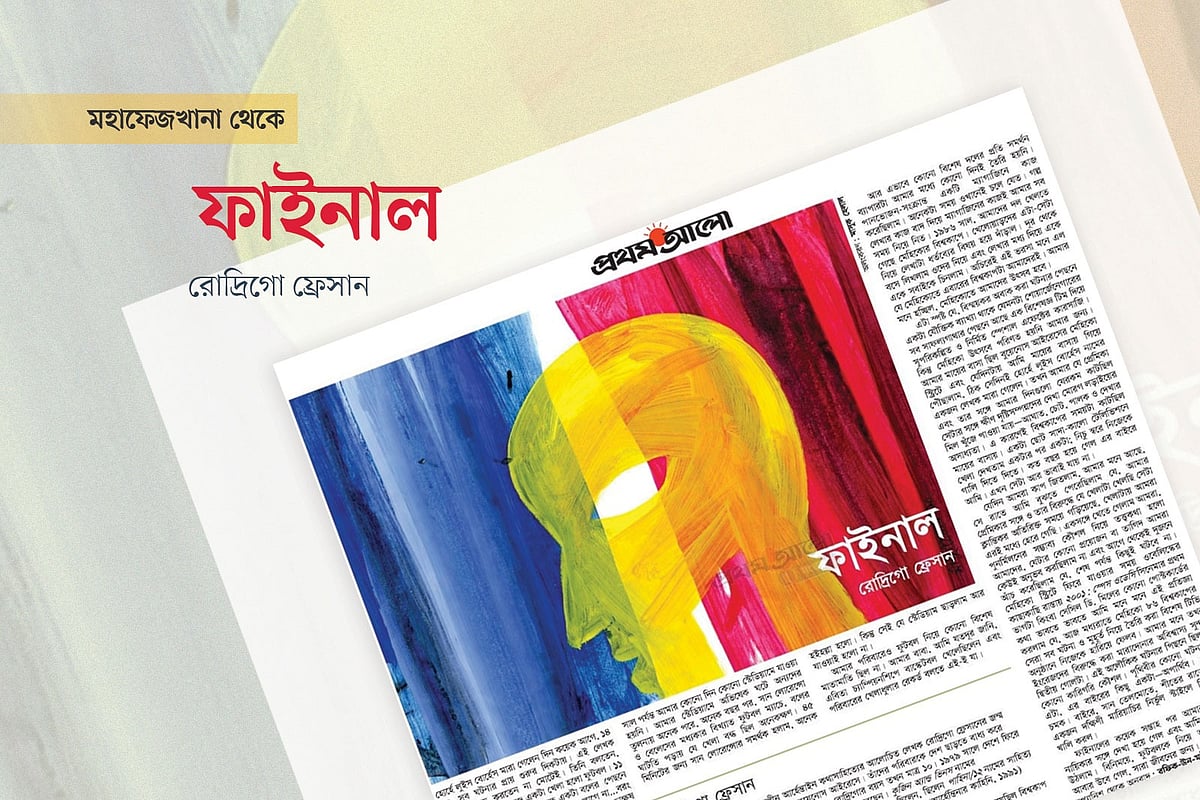
This essay, originally published in 2010, reflects on the 1986 World Cup and its personal significance to Argentine author Rodrigo Fresán. Fresán recounts his complex relationship with football, contrasting it with his preference for baseball, which he found more literary. He notes Jorge Luis Borges's disdain for football, calling it an aesthetically poor sport, and compares it unfavorably to cockfighting. Fresán's personal life during the 1986 World Cup mirrored the chaos of cockfighting, marked by conflict, injury, and obscurity in his relationship. He watched the games on a small black-and-white television, often criticizing himself. His early life lacked a strong connection to football; he rarely attended games and his family's athletic history was limited to his father's basketball achievements. Fresán's engagement with the 1986 World Cup began through his work for a gastronomy magazine, where he wrote about the players, developing a sense of confidence that Argentina would win. However, the anticipated national triumph coincided with the death of Jorge Luis Borges and personal relationship turmoil, turning the celebratory atmosphere into a period of introspection. He vividly recalls Maradona's second goal against England as an almost supernatural event, transcending mere skill. The essay concludes with Fresán's realization that his relationship had ended during the World Cup final, leading to a period of recovery and a lasting disinterest in football.
This personal reflection on the 1986 World Cup and its intersection with the author's life offers a nuanced perspective on how major sporting events can serve as catalysts for personal introspection. The narrative deconstructs the romanticized view of football, juxtaposing national triumph with individual struggle and the author's evolving understanding of relationships. By framing the event through personal experience rather than purely nationalistic fervor, the piece highlights the subjective nature of memory and cultural significance. The author's eventual disinterest in football post-1986 suggests a personal resolution, where the symbolic weight of the event was transferred from the sport itself to the lessons learned about life and relationships, prompting a re-evaluation of priorities beyond collective achievements.
AI-generated to prompt reflection — not editorial opinion, not advice, not a statement of fact. How this works.