Argentine Economy Shrinks 0.5% in May, Annual Growth Barely 0.2%
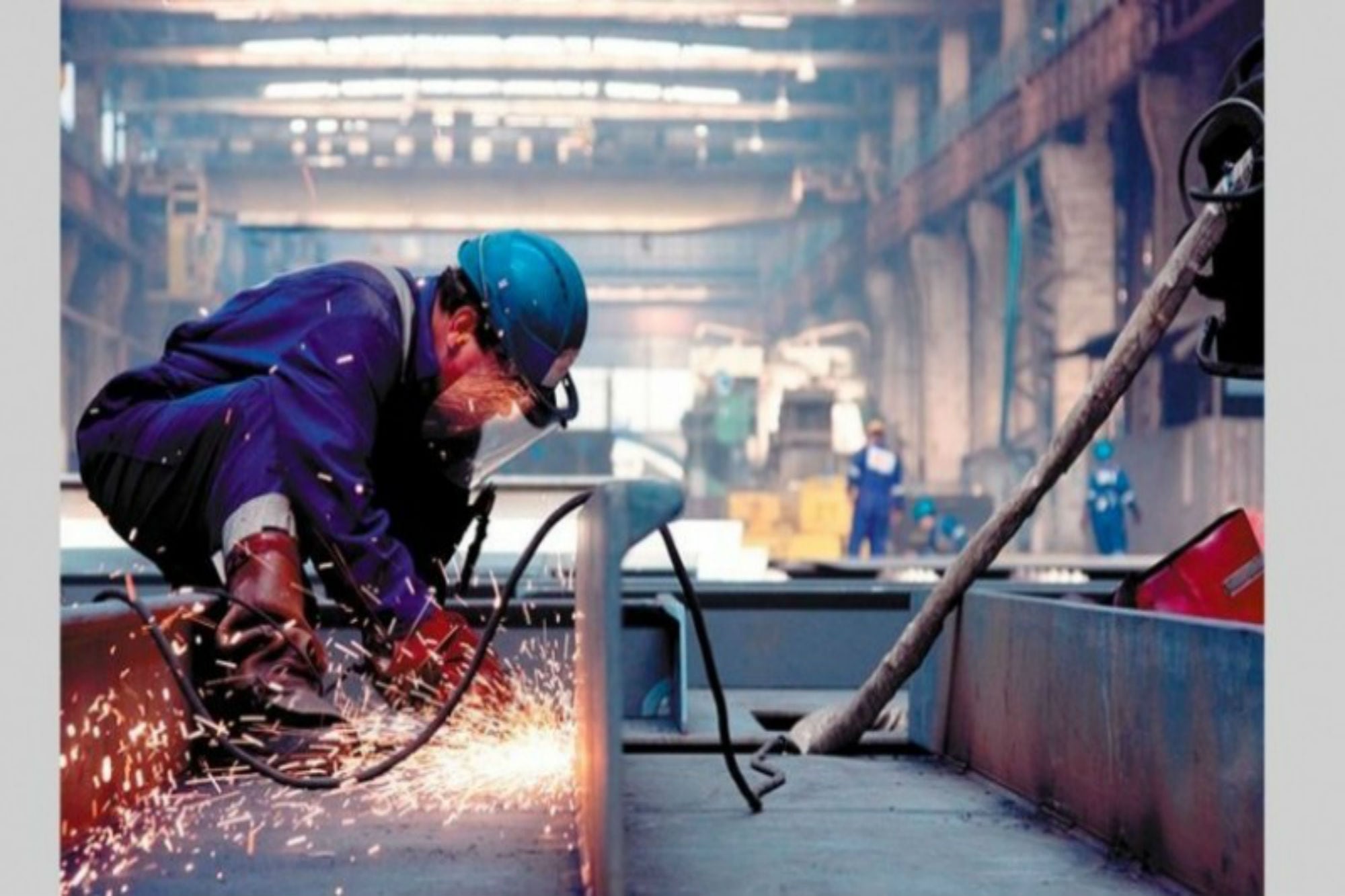
Argentina's economic activity experienced a contraction of 0.5% in May, continuing a volatile trend. Over the past year, the economy has shown minimal growth, registering only 0.2%. This pattern, described as "sawtooth" behavior, involves alternating months of expansion and contraction. The data indicates a persistent struggle for sustained economic momentum. The Central Bank of Argentina has been implementing monetary policies to address inflation and stabilize the economy. However, these measures appear to be having a limited impact on overall growth. The government is facing pressure to implement fiscal reforms that could foster a more stable economic environment. The current economic climate presents significant challenges for businesses and consumers alike. Further analysis is needed to understand the long-term implications of this fluctuating economic performance.
The Argentine economy's "sawtooth" pattern of alternating growth and contraction suggests a lack of underlying structural stability. Fluctuating economic indicators may reflect the challenges of implementing consistent fiscal and monetary policies in a complex political and social landscape. The minimal annual growth rate of 0.2% points to a stagnant economy, potentially hindering investment and job creation. Future economic performance will likely depend on the government's ability to enact reforms that address inflation, promote competitiveness, and ensure a predictable regulatory environment, thereby fostering sustainable long-term growth rather than short-term oscillations.
AI-generated to prompt reflection — not editorial opinion, not advice, not a statement of fact. How this works.