Argentine Ex-Street Performer Finds Culinary Success in Brazil's Amapá
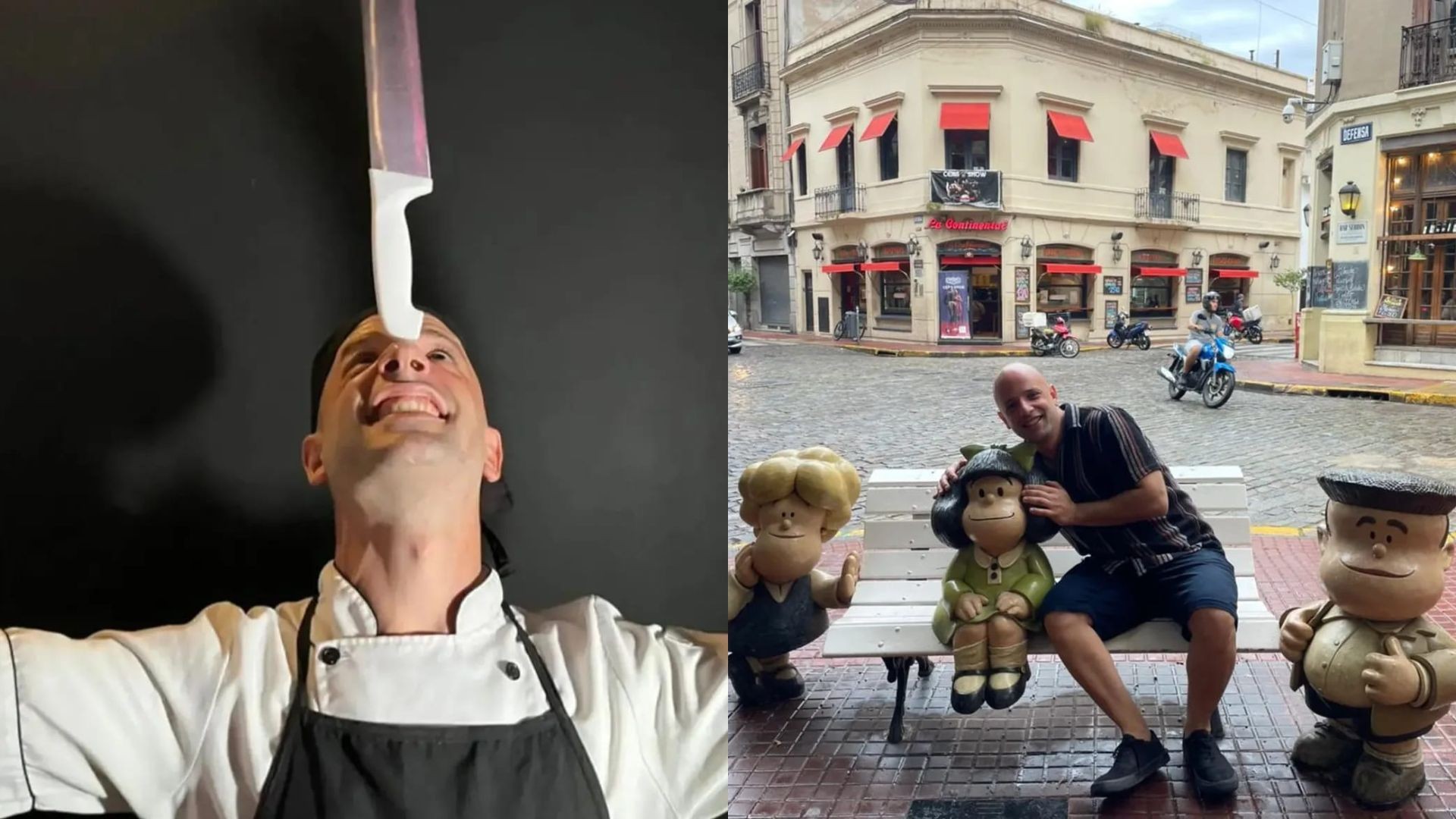
Pablo Argento, originally from La Plata, Argentina, has established a successful career as a chef in Macapá, Amapá, Brazil. After traveling through 15 Brazilian states, he found his home in Amapá, where he balances his passion for cooking with his former street performing skills. Argento, who is formally trained in gastronomy, arrived in Macapá six years ago and has consistently worked in the culinary field. However, he initially faced challenges with low pay and limited Portuguese proficiency, which led him to perform juggling on street signals to supplement his income and improve his language skills.
Currently, Argento owns his own business, specializing in Argentine cuisine. He explained that while he always worked in gastronomy, many restaurants offered insufficient wages. His street performing, he noted, not only provided financial support but also aided in his Portuguese acquisition. Despite the historical rivalry between Brazil and Argentina, Argento has experienced a warm reception in Amapá, forming many friendships and feeling at home in the city. He recounts receiving kindness from local vendors while performing, highlighting the welcoming nature of the people he encountered.
Opening his own establishment represents the realization of a lifelong dream for Argento, allowing him to foster a direct connection with his customers and their dining experience. His Argentine dishes have been well-received and highly praised by patrons. He emphasized that working independently, without an employer, is the best path to achieving a higher quality of life and dedicating himself to his true passion, creating a direct link between himself and the food he serves.
Pablo Argento's journey from street performer to successful restaurateur in Amapá highlights the intersection of cultural exchange, entrepreneurial spirit, and the pursuit of economic opportunity. His experience underscores how individuals can leverage diverse skill sets, including performance art and formal training, to navigate new environments and build livelihoods. Argento's narrative also implicitly points to the potential for cultural integration and mutual appreciation, even between nations with a history of sporting rivalry, when individuals connect on a personal and professional level. The success of his Argentine cuisine in Brazil suggests a broader market appeal for diverse culinary traditions and the viability of niche food businesses. Looking ahead, Argento's entrepreneurial path reflects a growing global trend towards self-employment and direct consumer engagement, particularly in the food industry, as individuals seek greater autonomy and personal fulfillment in their careers.
AI-generated to prompt reflection — not editorial opinion, not advice, not a statement of fact. How this works.