Argentine Family Turns Around Failing Farm, Achieving Record Meat Production
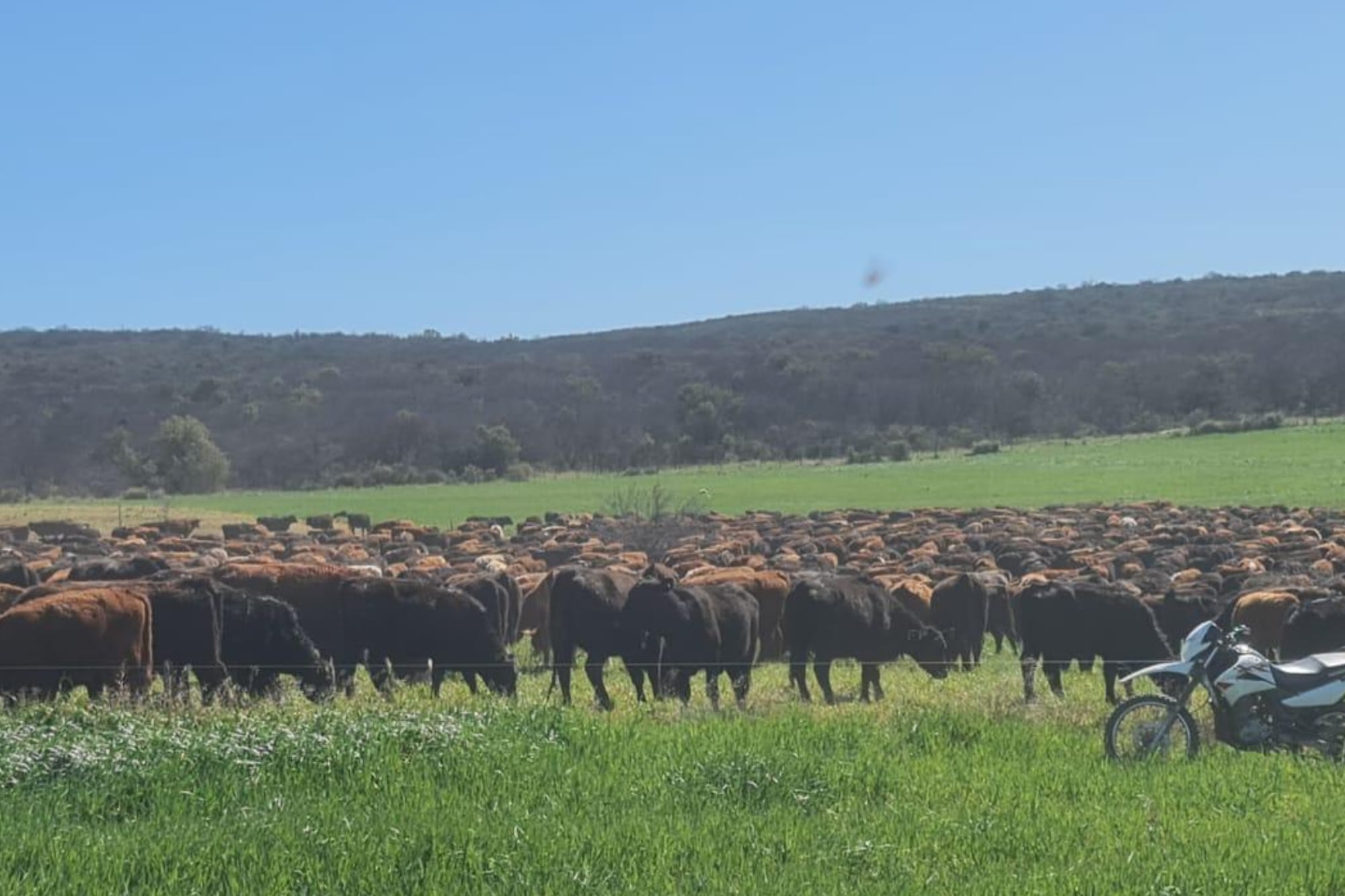
The Ostrovsky family, operating a 2500-hectare farm in Algarrobo, southern Buenos Aires province, has successfully transformed their agricultural enterprise after facing significant losses. They completely redesigned their water management, grazing practices, and staff operations. This strategic overhaul led to a dramatic increase in productivity. The farm's annual meat production surged from a previous range of 160,000 to 200,000 kilograms to an impressive 872,000 kilograms. This turnaround has established their operation as a case study in successful agricultural management and adaptation.
The Ostrovsky family's farm turnaround highlights the critical role of adaptive management in agriculture. By re-evaluating and optimizing fundamental practices like water usage and grazing, they unlocked significant latent productivity. This case suggests that traditional farming methods, when critically assessed against evolving environmental and economic pressures, may present opportunities for radical improvement. The substantial increase in output, from under 200,000 kg to over 870,000 kg of meat annually, demonstrates the potential for innovation within established sectors. Future agricultural systems will likely need to prioritize such integrated approaches to resource management and operational efficiency to ensure resilience and profitability in the face of climate change and market volatility.
AI-generated to prompt reflection — not editorial opinion, not advice, not a statement of fact. How this works.