Argentine Fans Clash with Police and Locals in Rio de Janeiro After World Cup Final Loss
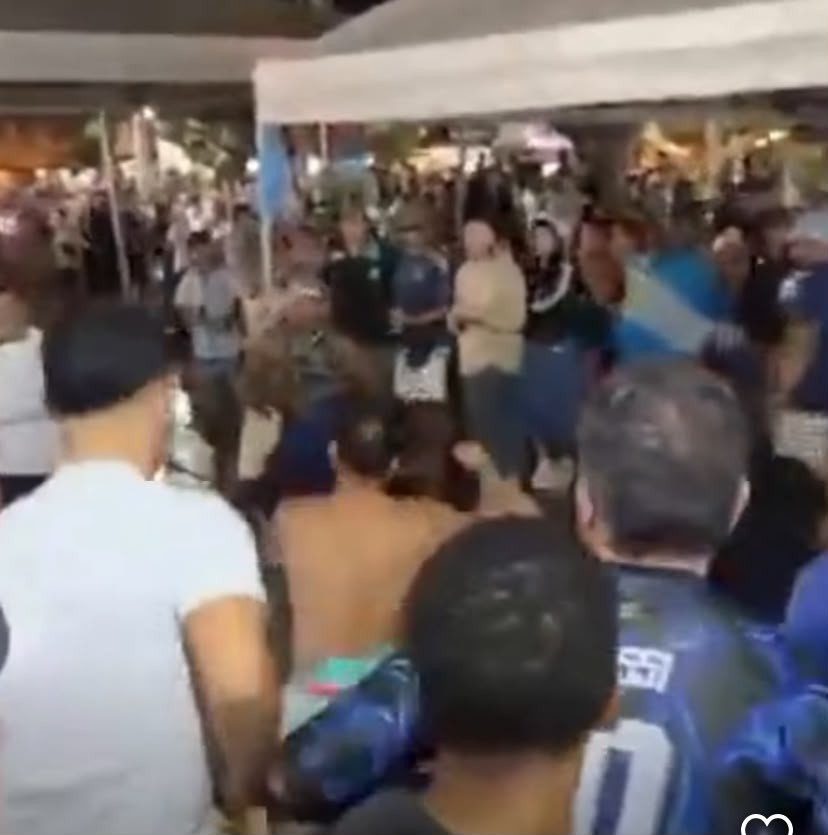
Following Argentina's defeat to Spain in the World Cup final, Argentine football supporters engaged in altercations with the Military Police and local residents in Rio de Janeiro. Disturbances and confrontations were reported in the Copacabana neighborhood of the South Zone and in Búzios, located in the Região dos Lagos. The Military Police have not yet issued an official statement regarding the incidents. In Copacabana, a group of Argentine fans surrounded a motorcyclist, who retaliated, knocking one fan to the ground. A taxi also struck an individual from the group. The motorcyclist sustained a broken visor and kicked a fan before being surrounded by the crowd. Social media footage from Copacabana also depicted military police officers using batons to disperse fans. Similar unrest occurred in Búzios after the final whistle, where a dispute erupted between Argentine and Brazilian nationals within tents set up at Praça Santos Dumont. This area featured a large screen, provided by the municipality for public viewing of the match. The brawl involved dozens of people, causing panic among residents and tourists present. Military police intervened to quell the disturbances in Copacabana.
The post-match events in Rio de Janeiro highlight the intense emotional responses that can accompany major sporting events, particularly when national teams face significant losses. The clashes between fans, locals, and law enforcement underscore the challenges of managing large crowds and controlling public order in the aftermath of high-stakes games. From a systemic perspective, the incidents suggest a need for enhanced crowd management strategies and de-escalation protocols at public viewing events, especially when international rivalries are involved. Future planning should consider the potential for heightened emotions and ensure adequate resources are available to maintain safety and prevent violence, thereby safeguarding both public spaces and the reputation of event hosting.
AI-generated to prompt reflection — not editorial opinion, not advice, not a statement of fact. How this works.