Argentine Football's Dark Side: A Reckoning with National Pride and Public Behavior
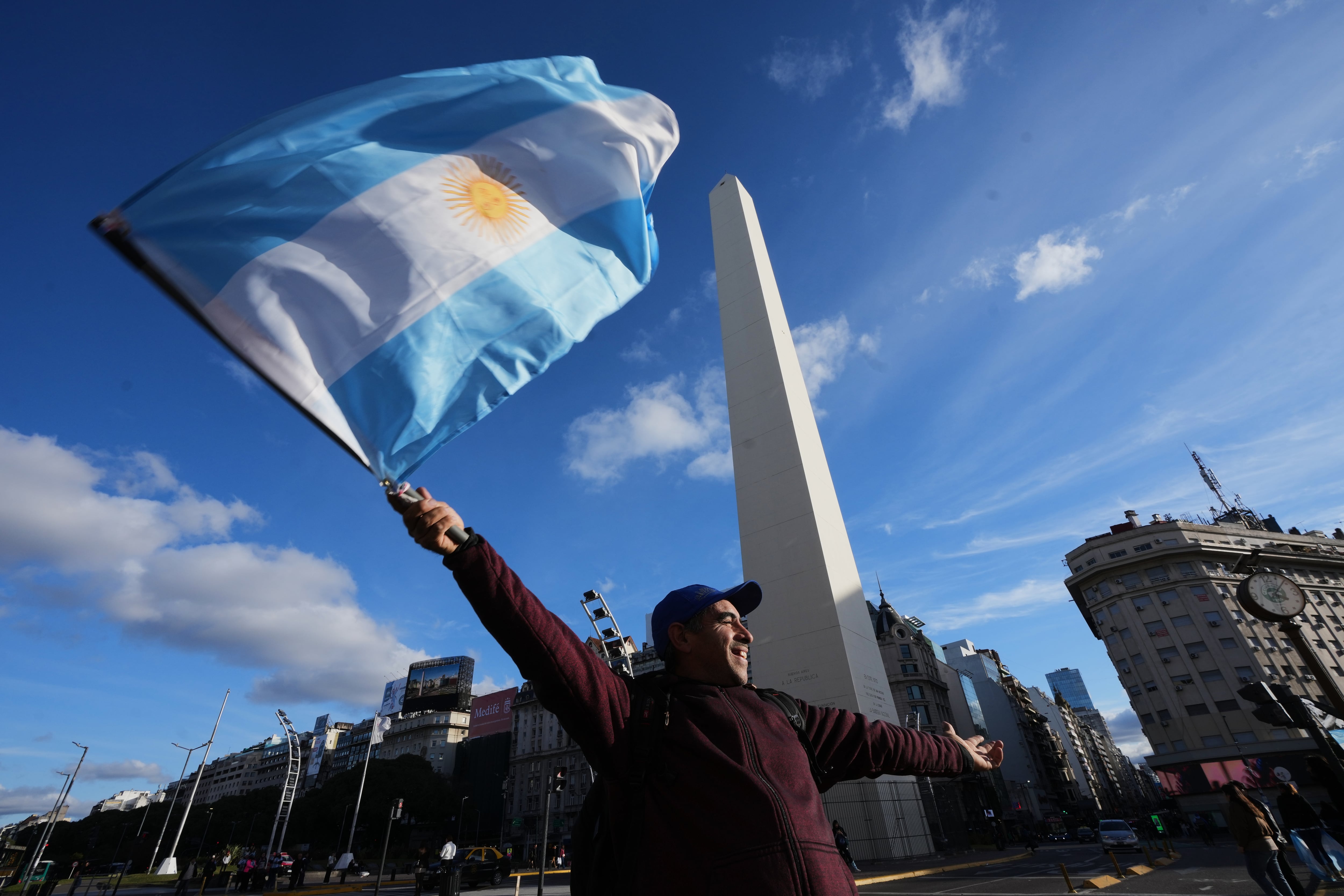
The article critically examines the behavior of some Argentine football fans and individuals, particularly in the context of the 2026 World Cup. It highlights instances where Argentinians engaged in xenophobic and aggressive rhetoric towards Spaniards, including a YouTuber calling for global bullying of the Iberian Peninsula and others using offensive language. These actions, amplified by social media and reported in Spanish media, contributed to a negative international perception of Argentina. The author argues that while external criticism may be valid, Argentina is not entirely innocent of fostering such behavior, pointing to a pervasive 'football nationalism' that often overrides civic values. This 'football religion' normalizes aggression, xenophobia, and public enjoyment of others' suffering within stadium culture, which then spills over into public discourse. The piece also touches upon other controversial statements and actions by Argentine figures, such as those related to slavery and human rights at the UN, further complicating the national image. The author suggests that while the Argentine team itself, led by Scaloni and Messi, often displayed humility, their actions after the final, including a protocol breach and insults directed at opponents, were regrettable. The piece calls for self-reflection and apologies, citing Roberto Ayala's mea culpa as a positive example, and suggests that Messi and Scaloni should address the 'Argentinophobia' they may have inadvertently fueled.
This analysis deconstructs the interplay between national pride, sporting fervor, and public conduct. It identifies how intense collective identity, particularly around football, can create a "tribal" mentality that sanctions behaviors inconsistent with broader societal values. The article implicitly critiques the algorithmic amplification of outrage, which exacerbates nationalistic sentiments and can lead to disproportionate negative portrayals. It suggests that the pursuit of collective validation through sporting success can obscure individual and group accountability, creating a cycle where perceived slights fuel further aggression. The piece prompts reflection on the systemic pressures that encourage such "emotional violence" and the responsibility of influential figures to model constructive engagement, especially in an era where global visibility amplifies every action.
AI-generated to prompt reflection — not editorial opinion, not advice, not a statement of fact. How this works.