Argentine Government Seeks Reelection Push Amidst Fragmented Opposition
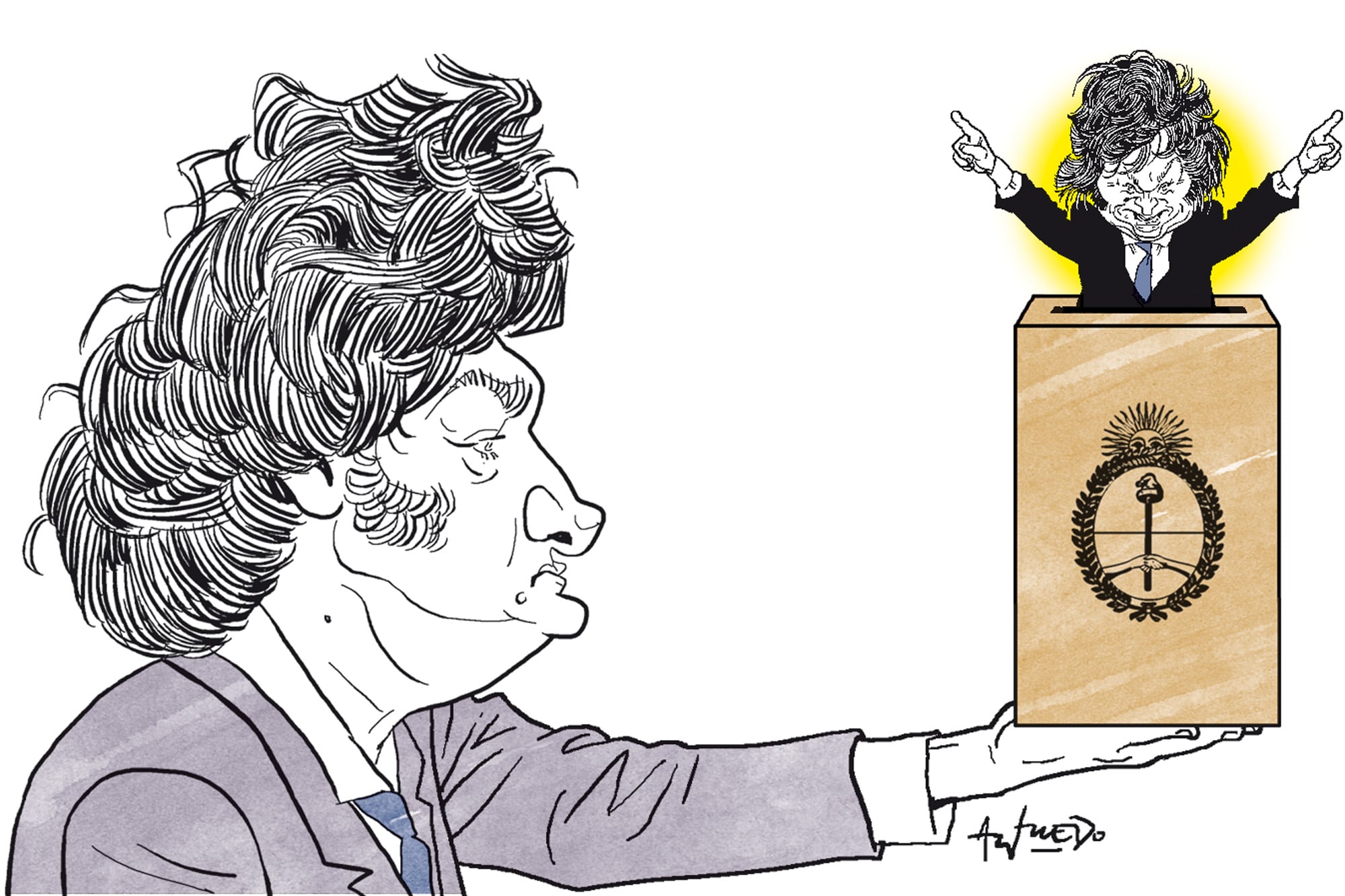
The ruling party in Argentina is preparing for a potential relaunch, focusing its efforts on securing President Javier Milei's reelection. This strategic move comes after navigating the departure of spokesperson Manuel Adorni. The government appears to be capitalizing on a disjointed, uncoordinated, and fragmented opposition. This political maneuver suggests a proactive approach by the ruling coalition to consolidate power and advance its agenda. The primary objective is to ensure Milei secures a second term in office. The timing of this initiative indicates a deliberate effort to gain momentum while political adversaries are perceived to be disorganized. The government aims to leverage this situation to its advantage in the upcoming electoral cycle.
The Argentine government's strategic move to formalize a relaunch and focus on presidential reelection highlights a common political tactic of consolidating power during periods of opposition weakness. By framing the opposition as "discoordinated, lethargic, and fragmented," the ruling party aims to create a narrative of decisive leadership versus political inertia. This approach, if successful, could streamline policy implementation and electoral campaigning by minimizing internal dissent and external challenges. However, it also risks overconfidence and a potential underestimation of the opposition's ability to regroup. The long-term sustainability of such a strategy depends on the government's capacity to deliver tangible results that resonate with the electorate beyond political maneuvering.
AI-generated to prompt reflection — not editorial opinion, not advice, not a statement of fact. How this works.