Argentine Income Gains Under Milei: Who Benefited and Who Didn't?
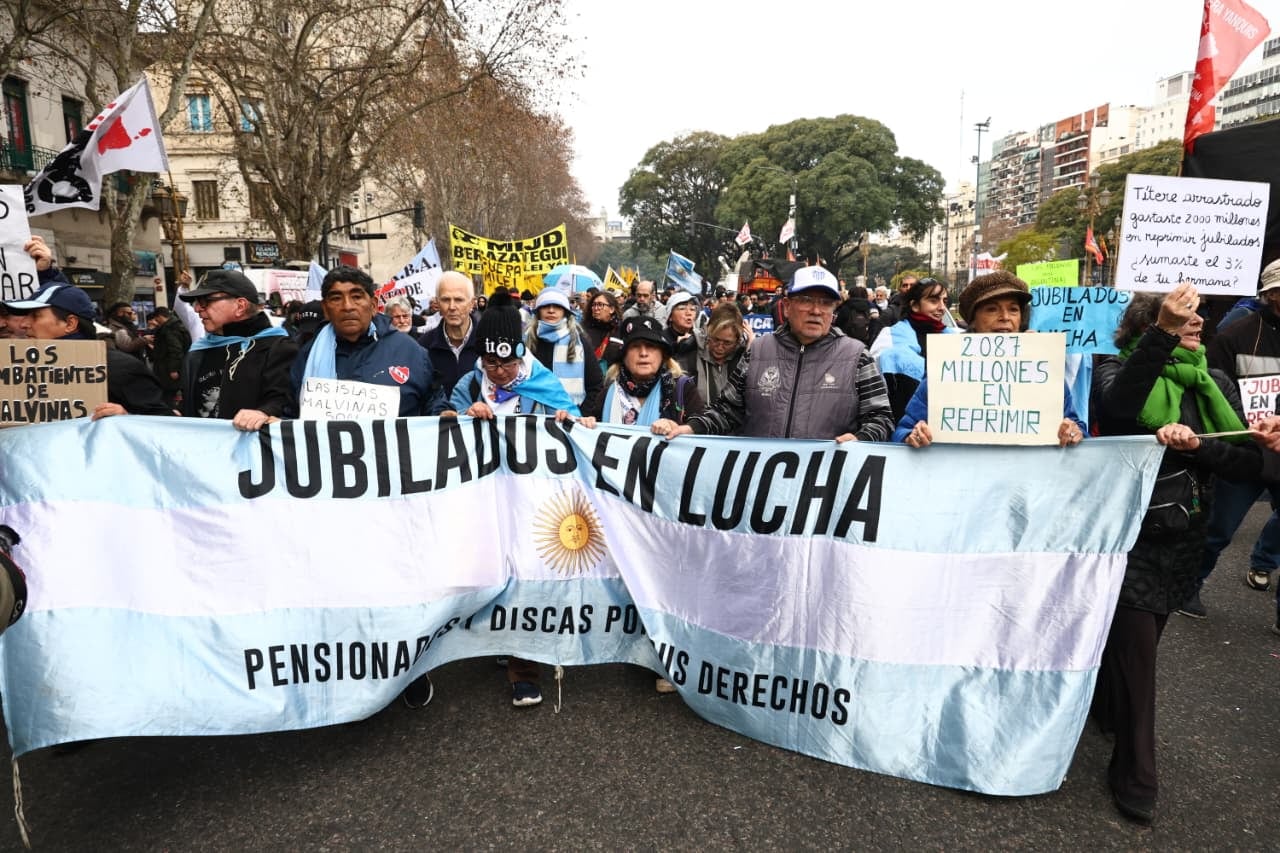
A recent report has analyzed the purchasing power of six population groups in Argentina between November 2023 and May 2024, revealing significant disparities in income evolution during the Milei administration. The study specifically compared the real income changes for employees, retirees, and beneficiaries of the Universal Child Allowance (AUH). Findings indicate that certain groups experienced a genuine increase in their income, effectively enhancing their purchasing power. Conversely, other segments of the population saw their real incomes stagnate or decline, indicating a loss in their ability to purchase goods and services. The report highlights the varied economic impact of the government's policies across different demographics. These differences underscore the complex economic landscape and the uneven distribution of benefits among the Argentine populace. The analysis focuses on the period following President Javier Milei's assumption of office, providing a snapshot of the initial economic shifts. The report's methodology involved comparing nominal income changes against inflation rates to determine real income adjustments.
This report offers a data-driven perspective on the distributional effects of Argentina's economic policies under the Milei administration. By segmenting the population into distinct groups such as employees, retirees, and AUH beneficiaries, it allows for a nuanced understanding of who is experiencing real income growth versus stagnation. Such analysis is crucial for evaluating the efficacy and equity of economic reforms. The divergence in outcomes suggests that policy interventions may have differential impacts, potentially exacerbating existing inequalities or creating new ones. Future policy design could benefit from considering these varied impacts to ensure broader-based economic well-being and social stability in the medium to long term, navigating the inherent trade-offs between fiscal consolidation and social protection.
AI-generated to prompt reflection — not editorial opinion, not advice, not a statement of fact. How this works.