Argentine Peso Continues to Decline Against US Dollar Amidst Central Bank Adjustments
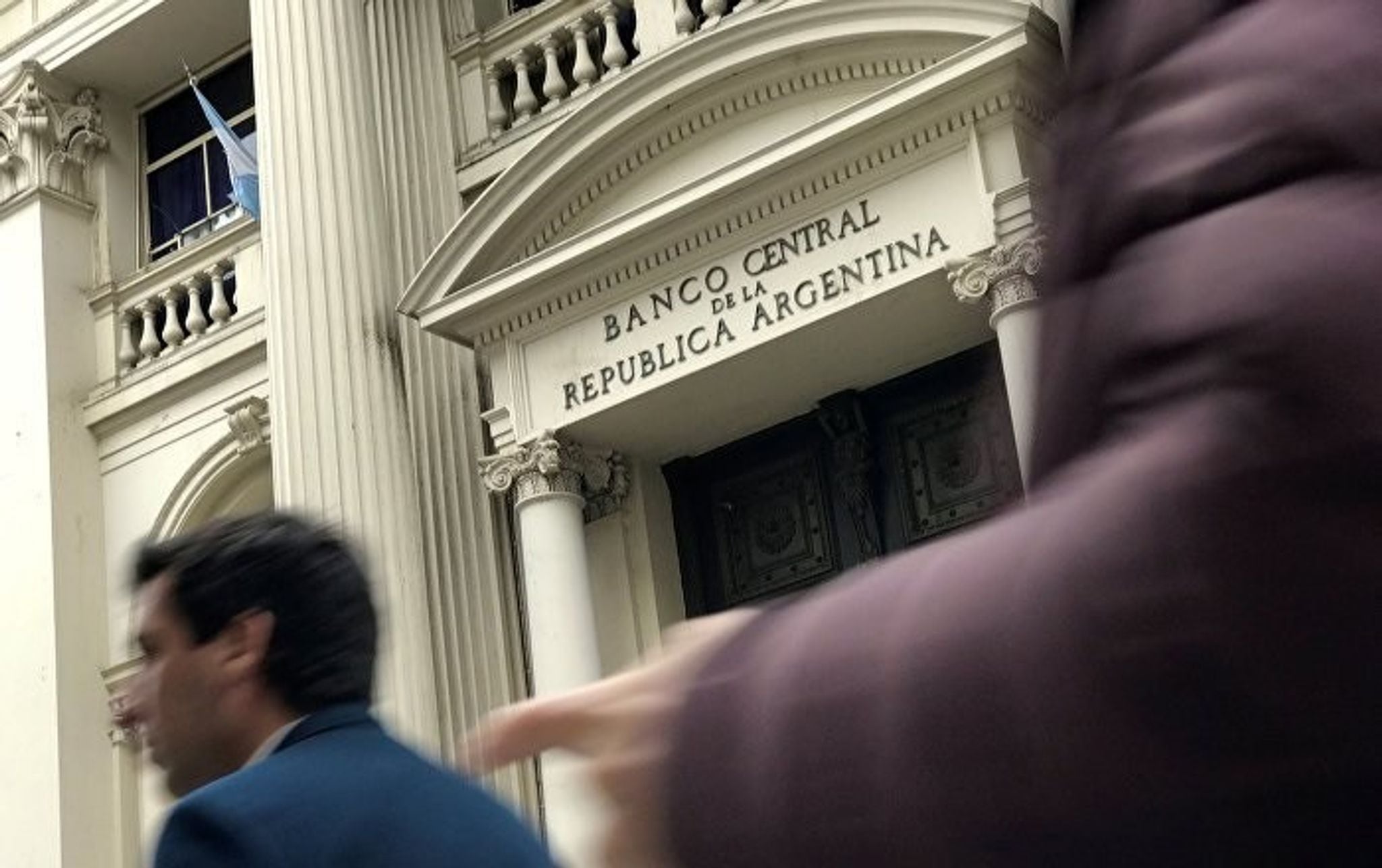
The official exchange rate in Argentina experienced a significant increase of nearly 5% during June, resulting in losses for those who held onto pesos. This trend indicates a weakening of the Argentine currency against the US dollar. The Central Bank of the Argentine Republic (BCRA) has reportedly slowed its pace of foreign currency purchases. In response to market fluctuations, currency traders have observed increased activity in futures markets and in dollar-linked bonds. These instruments are being utilized to mitigate the volatility of the exchange rate. The article suggests that without government intervention, the dollar's upward trajectory could continue, potentially reaching higher levels within the new currency band regulations.
The Argentine government's currency management strategy, particularly the adjustments to the exchange rate band and the BCRA's reduced intervention in the foreign exchange market, presents a complex interplay of economic objectives. The observed depreciation of the peso suggests a market recalibration influenced by inflation, external debt, and investor confidence. The increased use of financial derivatives like futures and dollar-linked bonds indicates a growing demand for hedging instruments, reflecting heightened uncertainty among market participants. Future policy decisions will likely balance the need to control inflation and maintain foreign reserves against the imperative to foster economic growth and attract investment. The long-term sustainability of the current approach hinges on addressing underlying structural economic issues and rebuilding credibility with both domestic and international stakeholders.
AI-generated to prompt reflection — not editorial opinion, not advice, not a statement of fact. How this works.