Argentine Politicians Reveal Game-Day Rituals as Team Advances
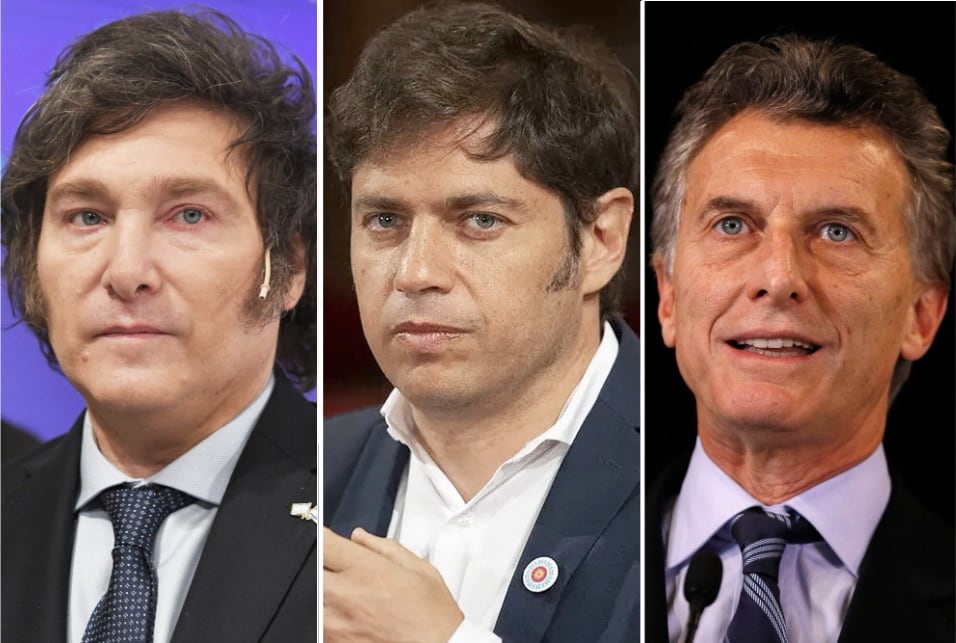
As the Argentine national football team progresses in the tournament, politicians are increasingly admitting to their personal superstitions and rituals while watching matches. These habits range from specific clothing choices to dietary routines and even where they choose to watch the games. Several prominent figures have shared their unique ways of supporting the team, highlighting a common thread of anxiety and hope that unites the nation during major sporting events.
These revelations offer a glimpse into the personal lives of public figures and underscore the unifying power of sports in Argentina. The shared experience of watching the national team play seems to transcend political divides, bringing a sense of collective identity. The politicians' willingness to share these lighthearted details suggests a desire to connect with the public on a more human level, especially during a time of national excitement.
The public sharing of personal superstitions by politicians during national sporting events serves multiple functions. It can foster a sense of shared identity and relatability with the electorate, humanizing public figures and potentially deflecting from more complex political issues. This behavior taps into collective effervescence, a sociological concept where shared emotions amplify within a group, strengthening social bonds. From a governance perspective, it represents a low-stakes form of engagement that can boost public morale. However, it also raises questions about the prioritization of national attention and resources, and whether such widespread focus on sports detracts from addressing more pressing societal challenges in the long term, particularly as technological advancements and global economic shifts demand sustained focus on policy and innovation.
AI-generated to prompt reflection — not editorial opinion, not advice, not a statement of fact. How this works.