Argentine Prosecutor Asks Lawmaker Lilia Lemoine to Stop Discussing Ian Moche
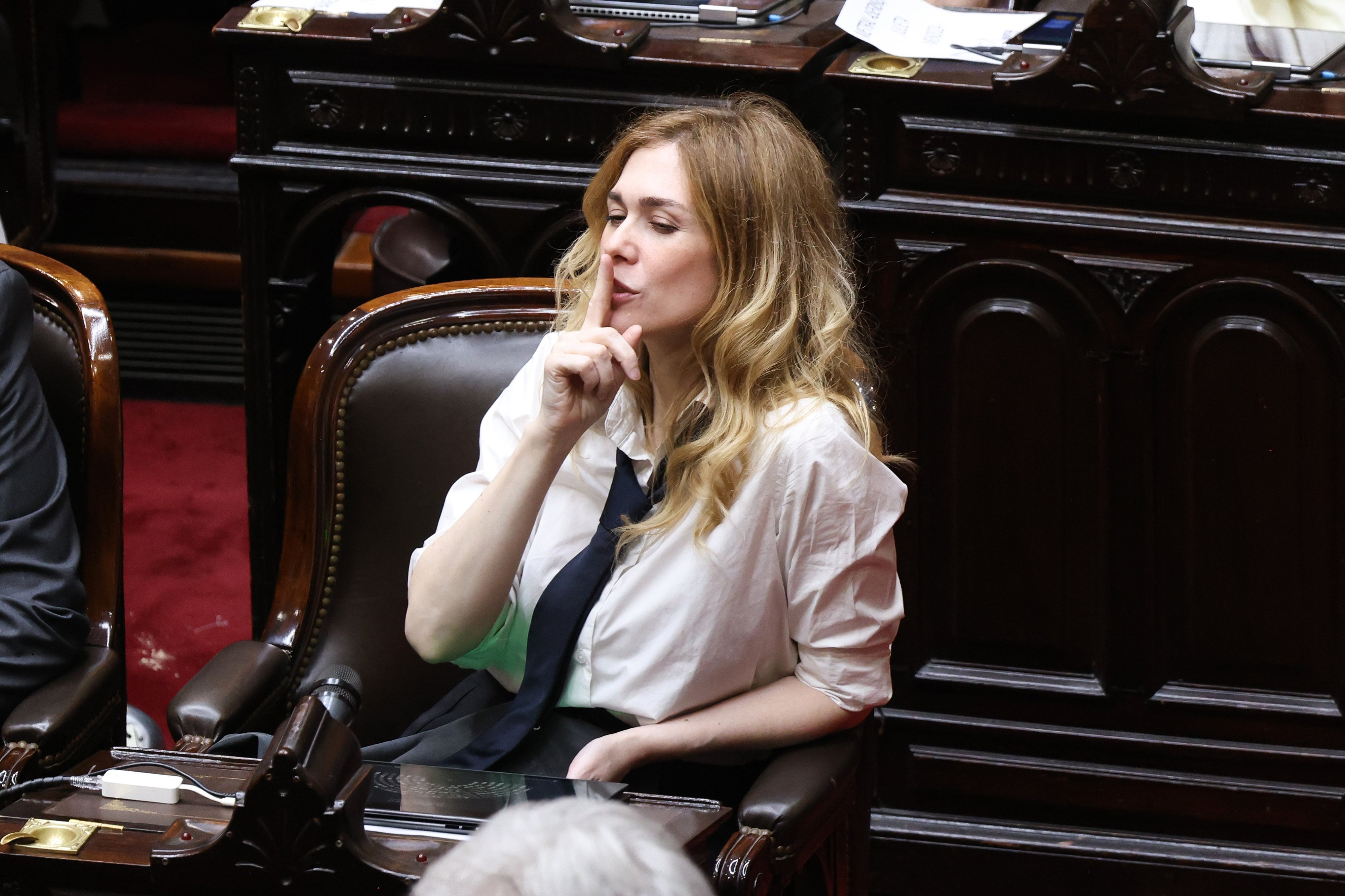
The Public Prosecutor's Office in Argentina has urged National Deputy Lilia Lemoine to refrain from making further public statements regarding Ian Moche. Lemoine is currently under investigation for comments she made about the young man and his mother. This situation has also drawn attention from President Javier Milei, who had previously criticized Moche and his mother on social media platforms. The prosecutor's request aims to prevent further public commentary while the investigation is ongoing. The specific nature of the investigation into Lemoine's statements has not been fully detailed, but it is understood to concern her public remarks. The involvement of President Milei highlights the high-profile nature of the case. The prosecutor's office seeks to ensure a fair and impartial investigation, free from external influence or further public discourse that could prejudice the proceedings. Lemoine's role as a National Deputy places her under particular scrutiny regarding her public statements and their potential impact. The case underscores the complexities of public figures commenting on sensitive matters involving private citizens.
The prosecutor's request to Deputy Lemoine highlights the tension between public discourse and the need for impartial investigations. While freedom of speech is a cornerstone of democratic societies, it can intersect with legal processes, particularly when statements involve individuals under scrutiny. This situation prompts consideration of the ethical responsibilities of elected officials when commenting on ongoing matters, especially those involving potentially vulnerable individuals or sensitive personal circumstances. The involvement of the President adds another layer, suggesting the case has broader political implications. Future governance frameworks may need to clarify the boundaries for public commentary by officials on matters that could impact legal proceedings, balancing transparency with the protection of individual rights and the integrity of justice.
AI-generated to prompt reflection — not editorial opinion, not advice, not a statement of fact. How this works.
