Argentine Provinces Weigh Splitting Election Dates from Presidential Vote
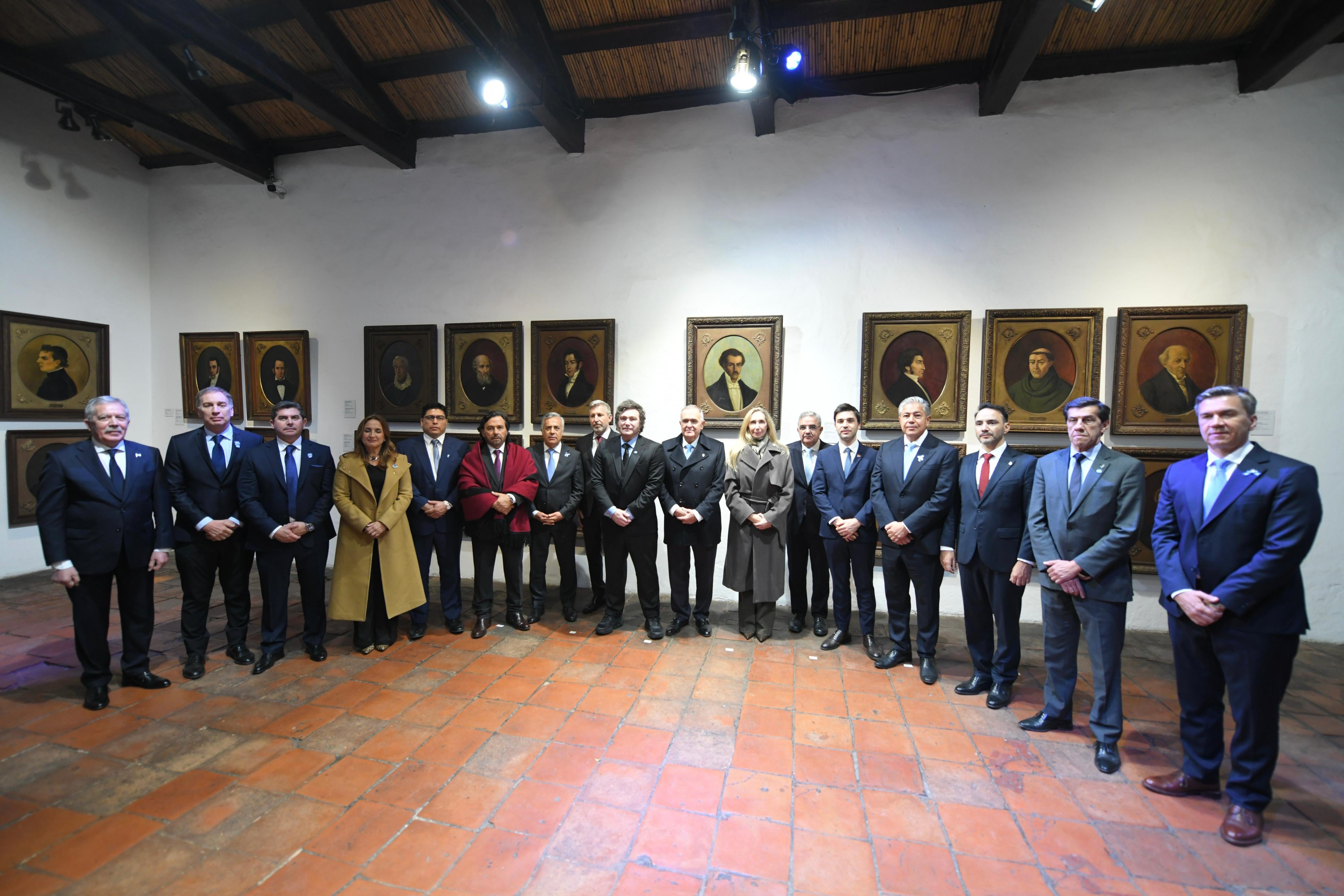
A growing number of Argentine provinces are considering separating their local elections from the national presidential elections. In 2023, sixteen districts opted for staggered voting, a trend that may continue into 2027. This strategy is influenced by the dynamics of political alliances and the anticipated electoral battles, particularly as the Casa Rosada (the presidential palace) projects President Milei's re-election bid. Governors are evaluating the benefits of holding their provincial elections independently, potentially altering the electoral landscape and the influence of national political forces on local outcomes. The decision by each governor is based on specific provincial contexts and strategic considerations regarding voter engagement and candidate positioning. This approach allows provincial leaders to focus on local issues and potentially insulate their elections from the broader national political climate. The potential replication of this strategy in 2027 suggests a significant shift in electoral planning across Argentina.
The increasing tendency for Argentine provinces to decouple their elections from the national presidential cycle reflects a strategic adaptation to evolving political dynamics. This fragmentation of electoral calendars can serve to empower provincial leaders by allowing them to cultivate distinct regional mandates, potentially mitigating the influence of national party platforms or presidential popularity on local outcomes. Such a strategy may also be an attempt to manage the impact of federal-level political polarization on provincial governance. From a systems perspective, this trend could lead to a more complex and fragmented national political landscape, potentially challenging the coherence of national policy implementation and intergovernmental relations over the next decade. It raises questions about the long-term implications for national party discipline and the consolidation of power in a federal system.
AI-generated to prompt reflection — not editorial opinion, not advice, not a statement of fact. How this works.