Argentine Republicans Suffer 'Acute Torticollis' From Ignoring President Milei's Actions
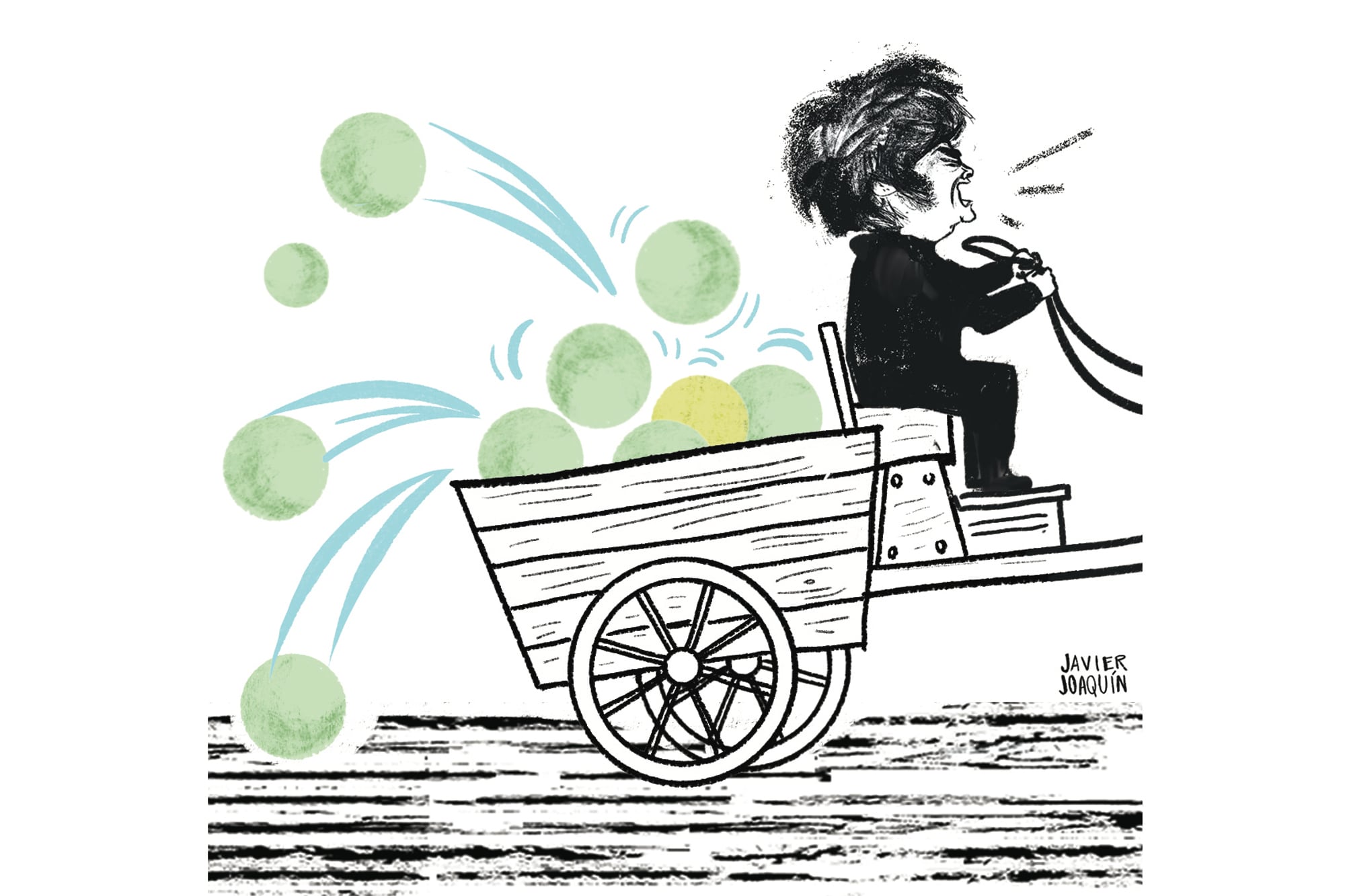
A critical analysis of Argentina's political landscape suggests that many traditional Republicans are developing 'acute torticollis' from constantly looking away from President Javier Milei's controversial actions and rhetoric. This phenomenon, described as a political habit, stems from a combination of aggressive discourse, insult, discord, and blatant self-interest, which has become normalized within the country's political culture. The article posits that these behaviors are less a result of a deliberate strategy and more a reflection of a populist leader's erratic temperament, which the official apparatus constantly struggles to defend or explain. Many voters who supported Milei, particularly those who only voted for him in the runoff election, are reportedly disillusioned. A recent Poliarquía study indicates a significant drop in optimism among anti-Kirchnerist voters, who are unhappy with both Milei's methods and his perceived inability to improve the real economy and purchasing power. Despite their dissatisfaction, some may feel compelled to vote for him again, fearing a return of Kirchnerism. The article criticizes Milei's recent aggressive public statements, including insults directed at Brazil's President Lula da Silva and an opposition leader, suggesting these are tactics to regain initiative and distract from economic shortcomings. It also notes Milei's embrace of nationalism and his decree to modify migration laws, which the author deems contradictory to his libertarian ideals and potentially discriminatory. The piece questions the long-term implications of electing extreme, divisive leaders and highlights concerns about potential reconfigurations of the judiciary, suggesting a lack of critical voices within the Republican camp allows for unchecked 'creative destruction.'
This analysis frames the political situation in Argentina through the lens of systemic incentives and governance challenges. The author's critique of 'acute torticollis' among Republicans suggests a potential disconnect between electoral strategy and the long-term consequences of supporting a leader whose actions may undermine institutional norms. The article highlights a tension between populist appeals and the practical requirements of economic management and international relations, particularly concerning trade partners like Brazil. The focus on the leader's temperament and the apparatus's efforts to manage public perception points to a governance model that may prioritize immediate political maneuvering over sustainable policy development. The underlying concern appears to be whether the current trajectory, driven by divisive rhetoric and deregulation, aligns with the foundational needs for economic growth and societal stability, such as infrastructure and education, as noted by the IMF. The potential for judicial reconfiguration also raises questions about the balance of power and the rule of law in the long term.
AI-generated to prompt reflection — not editorial opinion, not advice, not a statement of fact. How this works.