Argentine Side of Iguazu Falls Closes Devil's Throat Walkway Due to Flood Risk
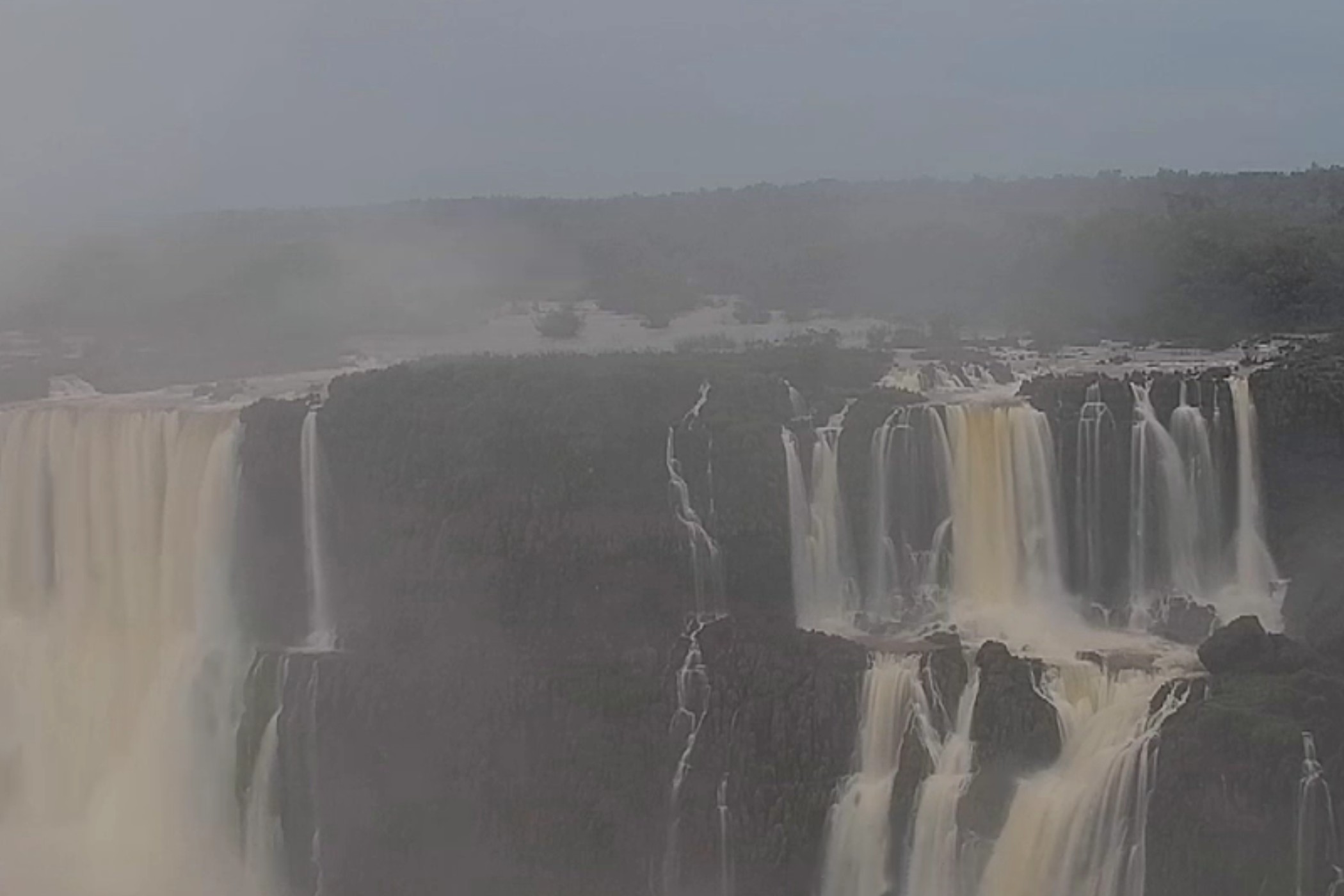
The Devil's Throat walkway on the Argentine side of Iguazu Falls will be temporarily dismantled starting Monday, October 3rd, due to forecasts of flooding in the Iguazu River. This preventative measure is being taken by concessionaire Iguazú Argentina S.A. to protect the structure from potential damage. The closure is expected to last approximately 40 days, with the reopening date contingent on weather conditions and river levels. Other attractions within Iguazu National Park will remain open to visitors. Meteorological and hydrological projections indicate a possibility of increased river flow and inundations during September and October. The walkway's flooring and railings will be removed and stored safely until the river conditions allow for reassembly. The El Niño phenomenon, characterized by warming waters in the equatorial Pacific, is associated with altered rainfall patterns globally. In Southern Brazil, it typically leads to above-average rainfall and an increased frequency of extreme weather events, such as storms and floods. The Paraná Environmental Technology and Monitoring System (Simepar) notes that El Niño can cause heavier rainfall, thunderstorms, high winds, hail, and flooding in Paraná. While the second half of the year is predicted to be wetter, rainfall distribution may be irregular.
The temporary closure and dismantling of the Devil's Throat walkway at Iguazu Falls highlight the increasing vulnerability of natural tourist attractions to climate change impacts, specifically intensified weather events linked to phenomena like El Niño. This proactive measure by Iguazú Argentina S.A. demonstrates a necessary adaptation strategy, balancing operational continuity with infrastructure preservation. The event underscores a broader systemic challenge: how to manage and maintain globally significant natural sites in an era of unpredictable climate patterns. Future planning for such attractions will likely need to incorporate more resilient infrastructure designs and dynamic operational protocols that can rapidly respond to environmental alerts, ensuring both visitor safety and the long-term viability of these invaluable natural heritage sites.
AI-generated to prompt reflection — not editorial opinion, not advice, not a statement of fact. How this works.
