Argentine Study Uncovers 50 Million Years of Whale and Dolphin Evolution
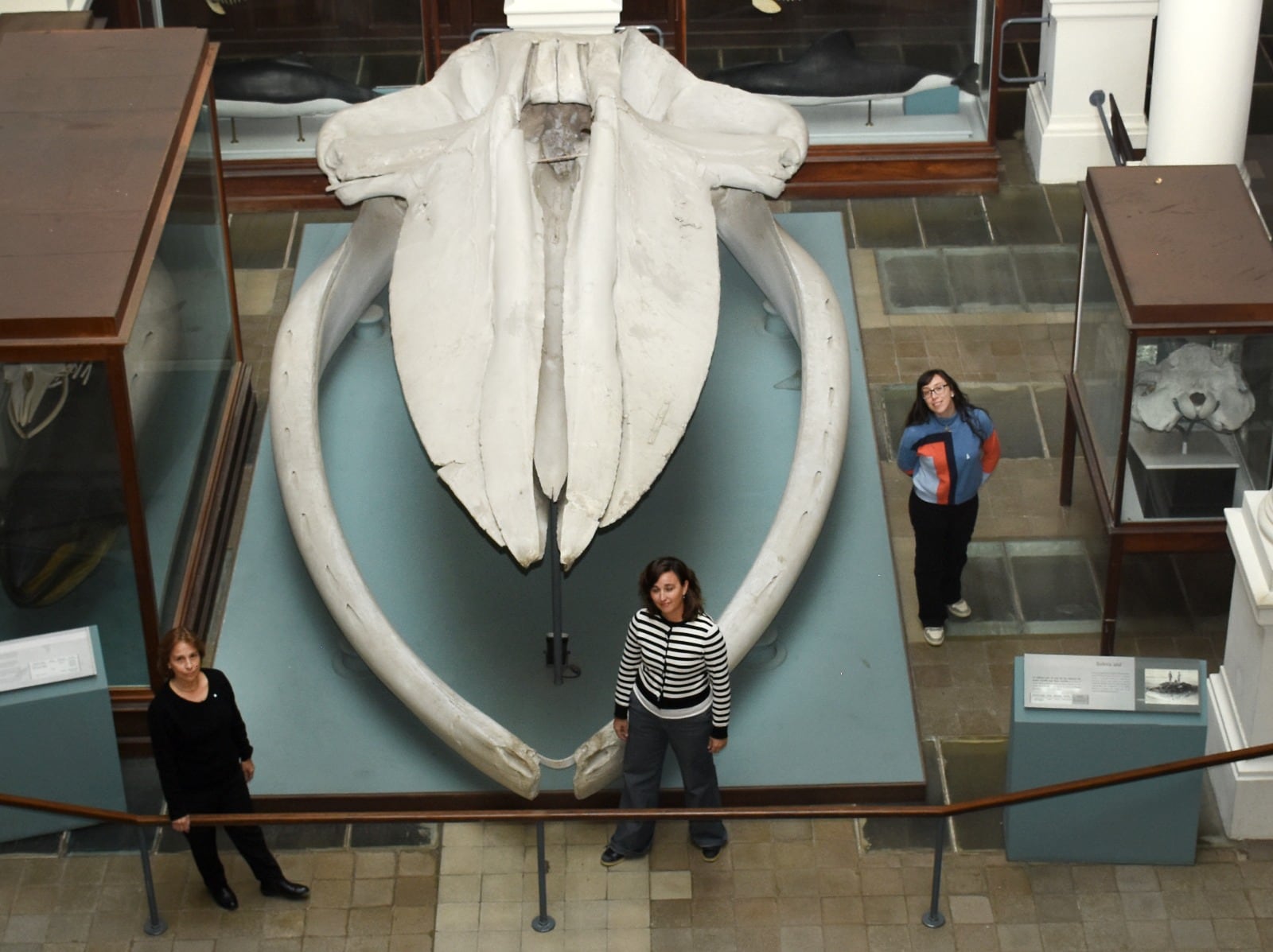
An Argentine research study has revealed key insights into the 50 million-year evolutionary journey of cetaceans, encompassing both extinct and currently living species. The comprehensive analysis examined 127 different species, providing a detailed look at their adaptation and survival strategies over vast geological timescales. The findings highlight significant evolutionary innovations that were crucial for the success of whales and dolphins.
These innovations include the development of baleen, which allows filter-feeding, and the sophisticated ability of echolocation, used for navigation and hunting. The study demonstrates how these adaptations enabled cetaceans to not only survive but thrive through multiple mass extinction events. This evolutionary resilience allowed them to ultimately dominate the world's oceans, establishing their diverse presence across marine ecosystems.
This research offers a valuable perspective on the long-term evolutionary success of cetaceans, emphasizing the role of specific biological innovations in their resilience. By examining both fossil and extant species, the study provides a robust dataset for understanding adaptation to environmental pressures, including mass extinctions. The findings underscore how technological advancements, in this case biological ones like baleen and echolocation, can be critical drivers of species survival and diversification. This evolutionary narrative, spanning 50 million years, serves as a reminder of the dynamic interplay between environmental change and biological innovation, and how organisms that develop effective adaptive strategies can achieve long-term ecological dominance.
AI-generated to prompt reflection — not editorial opinion, not advice, not a statement of fact. How this works.