Argentine Tourist Accused of Racial Slur in Bahia, Brazil, Flees Country
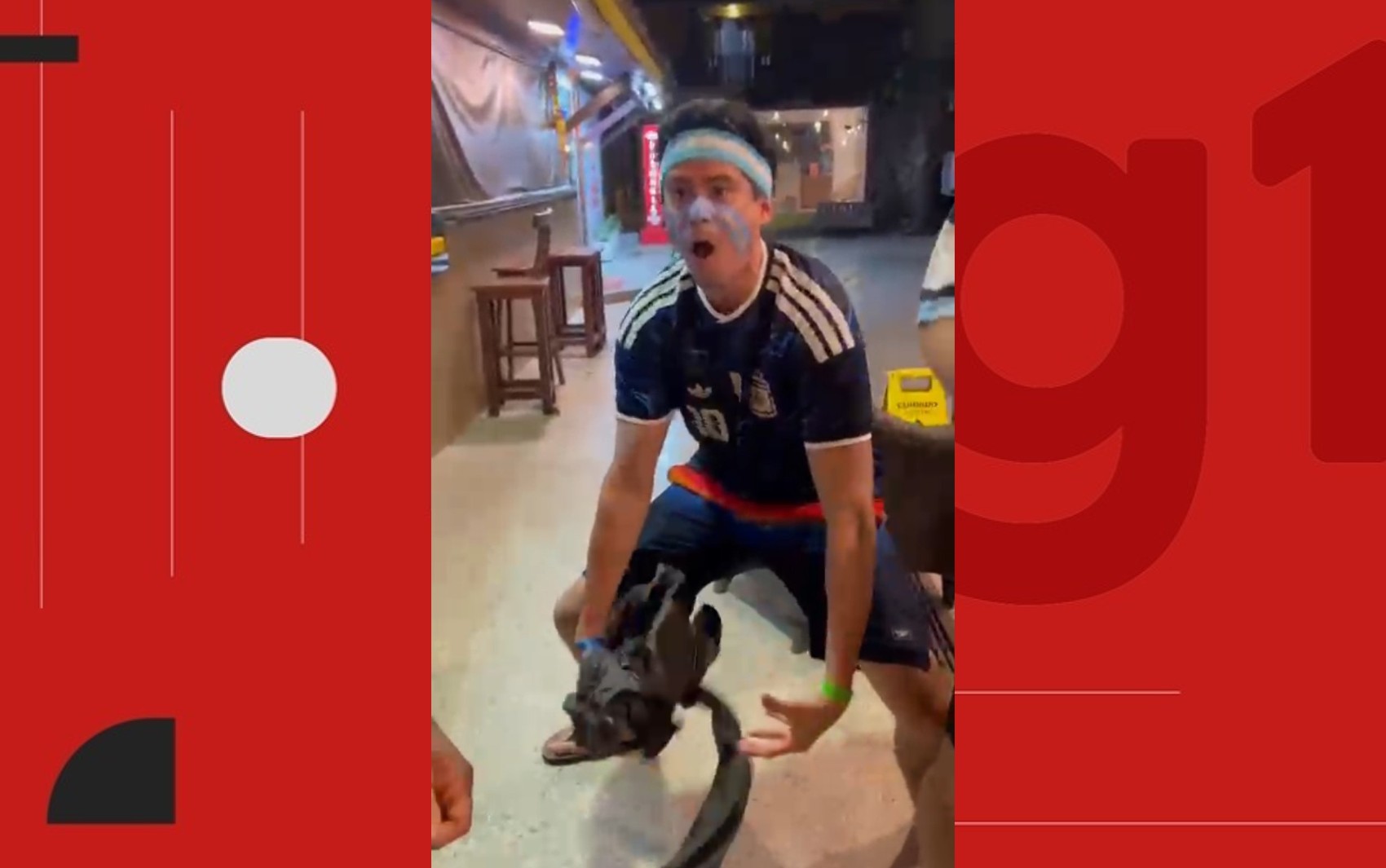
A 22-year-old man named Renailton Ferreira dos Santos, who was the victim of a racial slur by an Argentine tourist in Bahia, Brazil, has detailed the incident and is seeking justice. The alleged offense occurred on Wednesday, November 15th, during a World Cup semifinal match involving Argentina, at a restaurant in Morro de São Paulo, a popular tourist destination. Renailton, a kitchen assistant at the establishment, stated he initially didn't grasp the severity of the gesture directed at him by the tourist, identified as Sebastian Fernando Ayala, until he reviewed video footage of the event. He explained that he was upset by Argentina's victory and only later realized the racist nature of the act. The suspect, Ayala, has had a preventive arrest warrant issued against him by the judiciary, with the judge describing the incident as a "violation of human dignity." The judge also noted that using the term 'joke' to mask racial prejudice is a tactic of structural racism. Ayala, however, managed to leave Brazil before authorities could apprehend him, flying to Buenos Aires on Thursday, November 16th. The investigation is being handled by the Cairu police department. According to the police, Ayala arrived in Brazil on July 10th and went directly to Morro de São Paulo, with plans to return to Buenos Aires on November 19th, but he expedited his departure. Security footage shows him leaving Morro de São Paulo on Wednesday night and passing through Salvador's airport early Thursday morning.
This incident highlights the persistent challenge of racial prejudice in public spaces, even within tourist destinations. The swift departure of the accused, Sebastian Fernando Ayala, before judicial action could be fully executed, underscores the complexities of international legal cooperation and the practical difficulties in enforcing accountability for such offenses when individuals leave the jurisdiction. The judicial response, emphasizing the violation of human dignity and identifying the act as a manifestation of structural racism, provides a framework for understanding the systemic nature of prejudice beyond individual intent. Moving forward, such events may prompt discussions on enhanced international protocols for addressing hate crimes and the potential for digital evidence to play a more significant role in investigations, regardless of a suspect's physical presence. The case also serves as a reminder of the importance of robust local support systems for victims and the role of community vigilance in documenting and reporting such incidents.
AI-generated to prompt reflection — not editorial opinion, not advice, not a statement of fact. How this works.