Argentine World Cup Rituals: Superstition or Strategy?
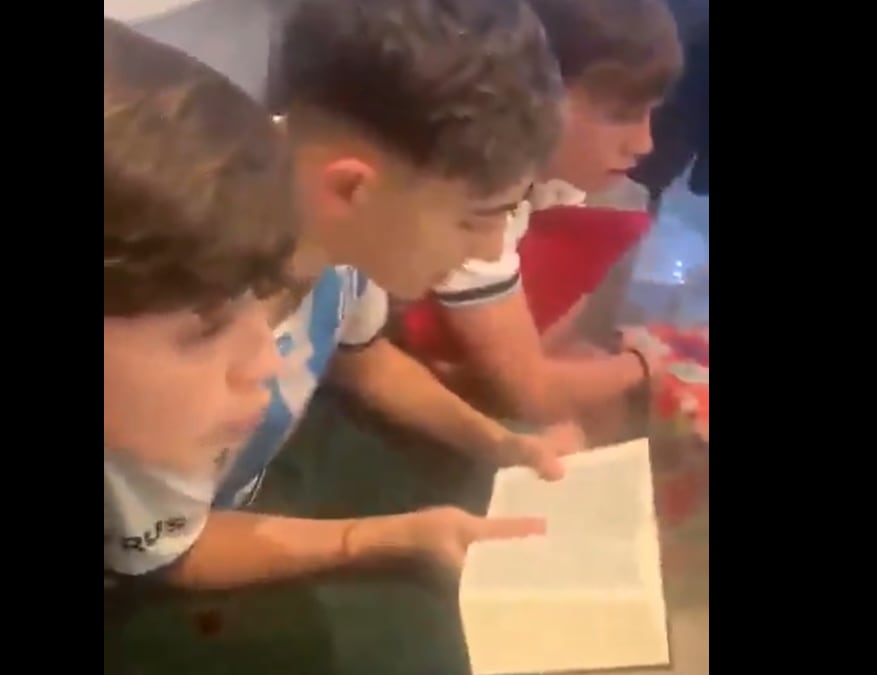
As the national team competes in the World Cup, many Argentines are engaging in pre-match and during-game rituals. These practices are seen by some as a way to "help" the team score goals and advance in the tournament. The article explores the prevalence and nature of these superstitions. It delves into whether these customs are purely a form of magical thinking or if they serve a deeper psychological or strategic purpose for fans. The focus is on how these collective behaviors manifest and the emotional investment they represent. The piece examines the cultural significance of these rituals in a high-stakes sporting event. It questions the line between tradition, belief, and the desire for national success. The underlying sentiment is one of hope and collective participation in the team's journey.
The widespread adoption of superstitions during major sporting events like the World Cup highlights a common human tendency to seek control in uncertain situations. For fans, these rituals can provide a sense of agency and shared identity, reinforcing group cohesion during moments of national pride and anxiety. While lacking empirical causal links to game outcomes, these practices can offer psychological comfort and manage emotional stress. From a behavioral economics perspective, they represent a low-cost, high-satisfaction coping mechanism. As AI and data analytics increasingly influence sports, the persistence of such deeply ingrained cultural practices suggests a fascinating interplay between rational decision-making and emotional, ritualistic engagement in the future of fan culture.
AI-generated to prompt reflection — not editorial opinion, not advice, not a statement of fact. How this works.