Argentinian Submarine Commander Gets Suspended Sentence for 2017 Disaster
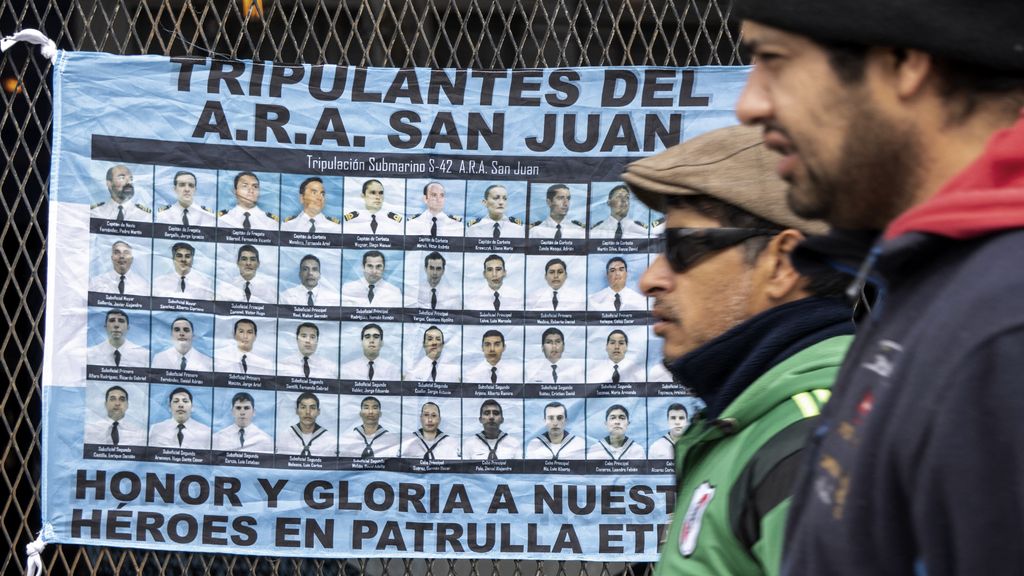
Nine years after the sinking of the Argentine submarine ARA San Juan, the former commander of the submarine fleet, Claudio Javier Villamide, has been found guilty of dereliction of duty and negligently causing a fatal accident. A court in Río Gallegos sentenced Villamide to a three-year suspended prison sentence. The disaster, which claimed the lives of all 44 crew members in 2017, remains Argentina's worst naval tragedy in decades. The submarine had departed from Ushuaia and was en route to the Mar del Plata naval base when contact was lost. An extensive international search effort failed to locate the vessel, and its wreckage was only discovered a year later, approximately 600 kilometers offshore at a depth of 900 meters. Prior to its disappearance, the crew had reported technical issues, including a battery short circuit. An explosion was registered near the submarine's last known position. The company that located the wreck in 2018 determined that the hull was severely deformed and debris was scattered across the seabed. During the trial, Villamide and three other naval officers faced accusations of responsibility for the catastrophe. The court's ruling found Villamide culpable for his role in commanding the submarine, which was instructed to proceed to Mar del Plata despite the reported technical problems. Villamide maintained his innocence, questioning the unknown cause of the sinking and expressing frustration over being scapegoated by the prosecution and media. Three other naval officers were acquitted. Lawyers for the victims' families, who had sought harsher sentences, are considering an appeal.
This ruling addresses accountability for the loss of the ARA San Juan and its 44 crew members, a significant event marked by technical failures and a challenging recovery operation. The court's decision to convict the former fleet commander for dereliction of duty, while acquitting other officers, suggests a focus on specific command-level responsibilities rather than systemic failures within the naval hierarchy. The sentencing, a suspended prison term, reflects a judicial balancing act between acknowledging culpability and the complexities surrounding the exact cause of the sinking and the subsequent search and recovery efforts. Moving forward, naval organizations globally face the imperative to refine protocols for reporting and responding to technical emergencies at sea, ensuring transparent communication and robust risk assessment, especially when critical systems like battery power are compromised. The case highlights the enduring challenge of assigning responsibility in complex accidents where multiple factors, including environmental conditions and human decision-making under pressure, may have contributed to the tragic outcome.
AI-generated to prompt reflection — not editorial opinion, not advice, not a statement of fact. How this works.