Argentinians Face Unexpected Wave of Hostility and Accusations Online and Offline
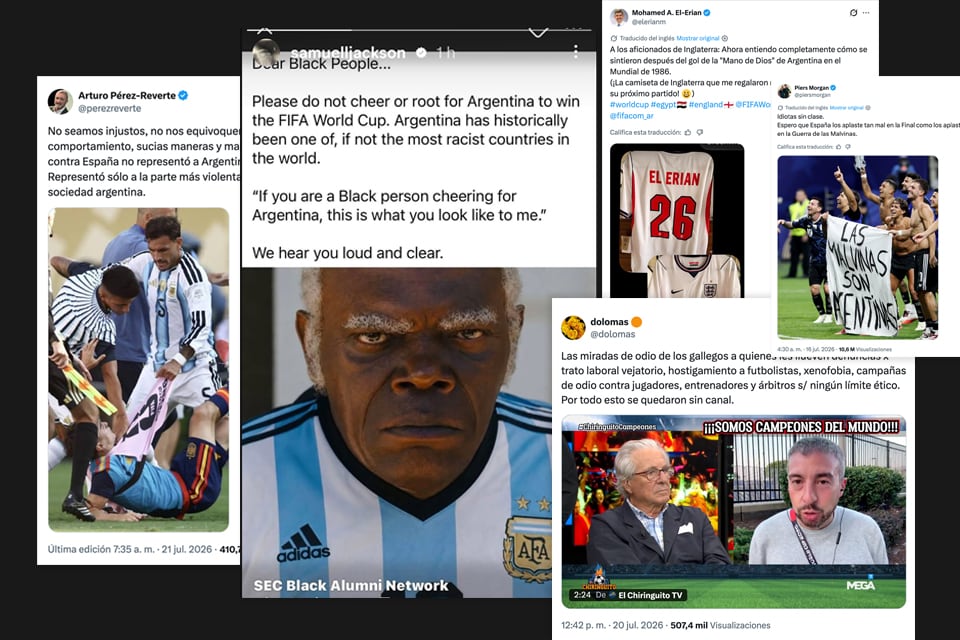
Argentinians are reporting an unexpected surge of hostility and harassment, both online and in person, particularly following recent sporting events and public discourse. These incidents range from workplace provocations and insults from former classmates to aggressive online comments and even a physical attack on a young man wearing an Argentine jersey in Madrid's Sol metro station. The trend appears to have been amplified by social media, where accusations against Argentina, including claims of racism and arrogance, have gained significant traction. Actor Samuel L. Jackson's strong accusation of Argentina being 'one of the most racist countries in the world' was particularly influential in fueling these negative conversations.
Experts suggest that stereotypes about Argentine arrogance are deeply ingrained and easily triggered, especially after perceived displays of superiority or controversial actions, such as players displaying a sovereignty flag over the Falkland Islands. Some analyses point to these narratives being artificially generated and amplified, with themes including accusations of cheating in football, discussions of Argentine identity and regional belonging, and historical references to the Malvinas War. There are also emerging, though less understood, narratives linking Argentina to Nazis and describing it as the 'Israel of Latin America.' Psychologists advise Argentinians not to reciprocate this hostility, emphasizing the importance of maintaining self-awareness and not giving in to external negativity.
The reported increase in anti-Argentine sentiment, amplified by social media, highlights the potent role of collective identity and historical grievances in shaping public discourse, especially around major international events like the World Cup. The rapid spread of accusations, from sporting conduct to deep-seated societal traits like racism and arrogance, suggests a complex interplay of national pride, perceived slights, and potentially manufactured narratives. The analysis of these online conversations reveals how specific events, like the Falklands flag display, can become flashpoints, reigniting historical tensions and fueling generalized judgments about an entire population. This phenomenon underscores the challenge of distinguishing between legitimate criticism of specific actions and broad-brush stereotyping, particularly in an era where online platforms can rapidly globalize and intensify such sentiments.
AI-generated to prompt reflection — not editorial opinion, not advice, not a statement of fact. How this works.