Argentinians Perceive Global Campaign Against Them, Citing National Team Success and Political Issues
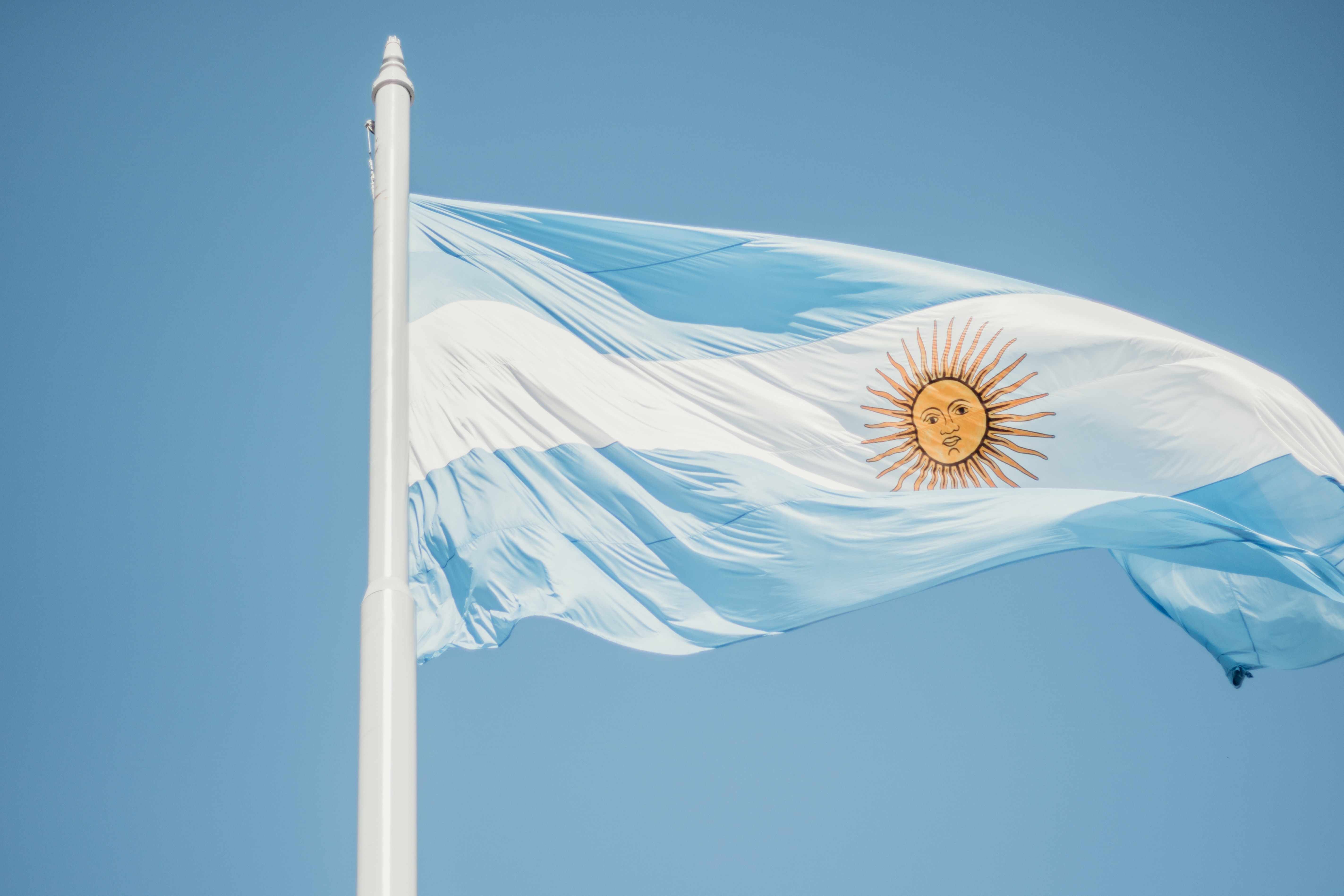
A recent poll reveals that nearly eight out of ten Argentinians believe their country is the target of a global "anti-Argentina" campaign. The survey, conducted by Trespuntozero between July 23-24 with 1,000 participants, found that 69.1% of respondents view this alleged offensive as orchestrated. When asked about the reasons behind such a campaign, 35.2% cited "envy over the Argentine national team's World Cup results," while political issues related to President Javier Milei's government were cited by 24.1%. Another 11.2% attributed criticisms to perceptions of Argentinians being racist. The poll also indicated a negative international perception of Argentina, with 45.2% believing the country is "more hated than loved" globally. Furthermore, 50.6% felt Argentina's reputation has worsened in recent months. The survey was released shortly after President Milei accused the governments of Brazil and Mexico, along with the U.S. Democratic Party, of funding a campaign against Argentina during the World Cup, though he provided no evidence. Milei specifically claimed Brazil invested the most in this alleged offensive, stating Argentina had become "a beacon for the West." These accusations followed Milei's participation in a political event in São Paulo, where he made controversial remarks about Brazilian President Lula and a Supreme Court minister, leading to a diplomatic incident.
This survey highlights a prevalent sentiment within Argentina of external hostility, with citizens attributing negative international perceptions to various factors including national pride, political leadership, and perceived national character. The timing of the poll, following President Milei's unsubstantiated accusations against foreign governments, suggests a potential interplay between public opinion and presidential rhetoric. From a geopolitical perspective, such perceptions can influence diplomatic relations and trade dynamics, particularly within regional blocs like Mercosur. The narrative of being under siege, if amplified, could foster nationalistic solidarity but also risks isolating the country and hindering constructive international engagement. Future policy decisions will likely be shaped by this perceived external pressure, potentially impacting Argentina's approach to global partnerships and its internal economic and social reforms.
AI-generated to prompt reflection — not editorial opinion, not advice, not a statement of fact. How this works.