Arkalochori earthquake victims still face unresolved issues after nearly five years
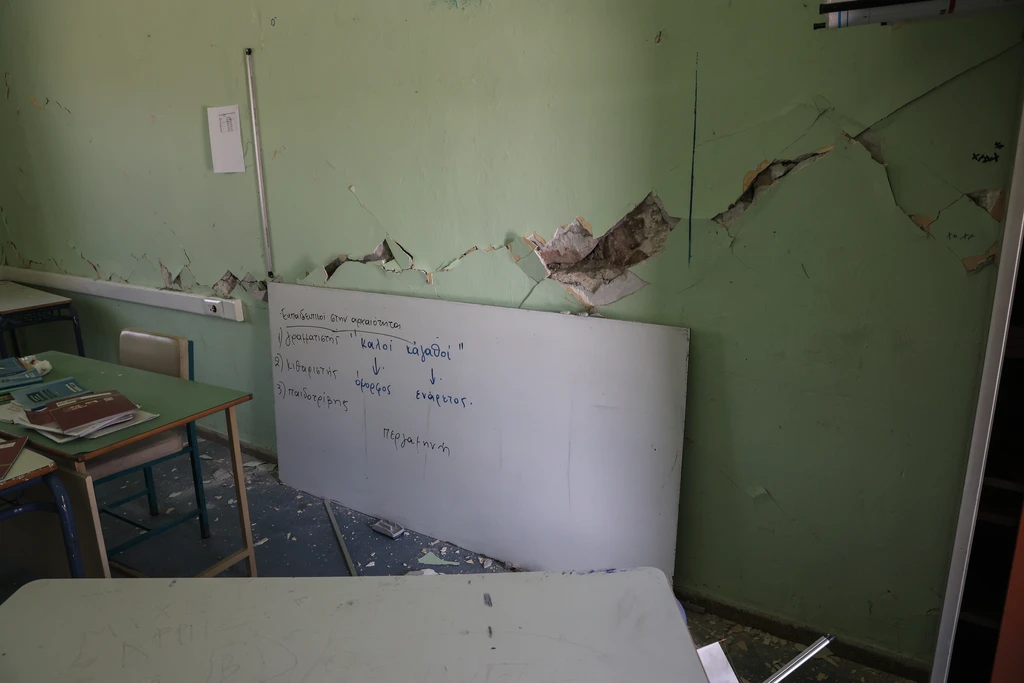
Nearly five years after the devastating earthquake on September 27, 2021, the Greek Ombudsman has highlighted significant outstanding issues affecting the earthquake victims in Arkalochori. The Ombudsman has sent a letter to the relevant ministries demanding answers regarding the updating of compensation payments, the functioning of the interest-free loan system, and the extension of critical programs. These concerns underscore the ongoing difficulties faced by residents who are still grappling with the aftermath of the natural disaster. The situation points to persistent challenges in the recovery and reconstruction process, impacting the daily lives of those affected. The Ombudsman's intervention signifies a formal request for accountability and action from the government to address these long-standing problems. The persistence of these issues nearly half a decade later raises questions about the effectiveness and timeliness of disaster relief and recovery efforts in Greece. The community continues to seek definitive solutions and support to fully rebuild their lives and their town.
The prolonged recovery period for Arkalochori earthquake victims, nearly five years post-disaster, suggests potential systemic inefficiencies in disaster response and long-term reconstruction planning. The Ombudsman's inquiry into compensation, loan programs, and project extensions indicates a gap between initial relief efforts and sustained support necessary for community resilience. This situation prompts reflection on the governance frameworks governing disaster recovery, including the allocation of resources, inter-ministerial coordination, and the mechanisms for ensuring accountability to affected populations. Future policy could benefit from exploring more agile and transparent systems for managing long-term recovery, incorporating community feedback loops, and establishing clear performance metrics to prevent such protracted challenges in subsequent events, especially in the context of increasing climate-related risks.
AI-generated to prompt reflection — not editorial opinion, not advice, not a statement of fact. How this works.