Armed Gang Robs Newly Opened School in Brazil, Stealing Over R$400,000 in Electronics
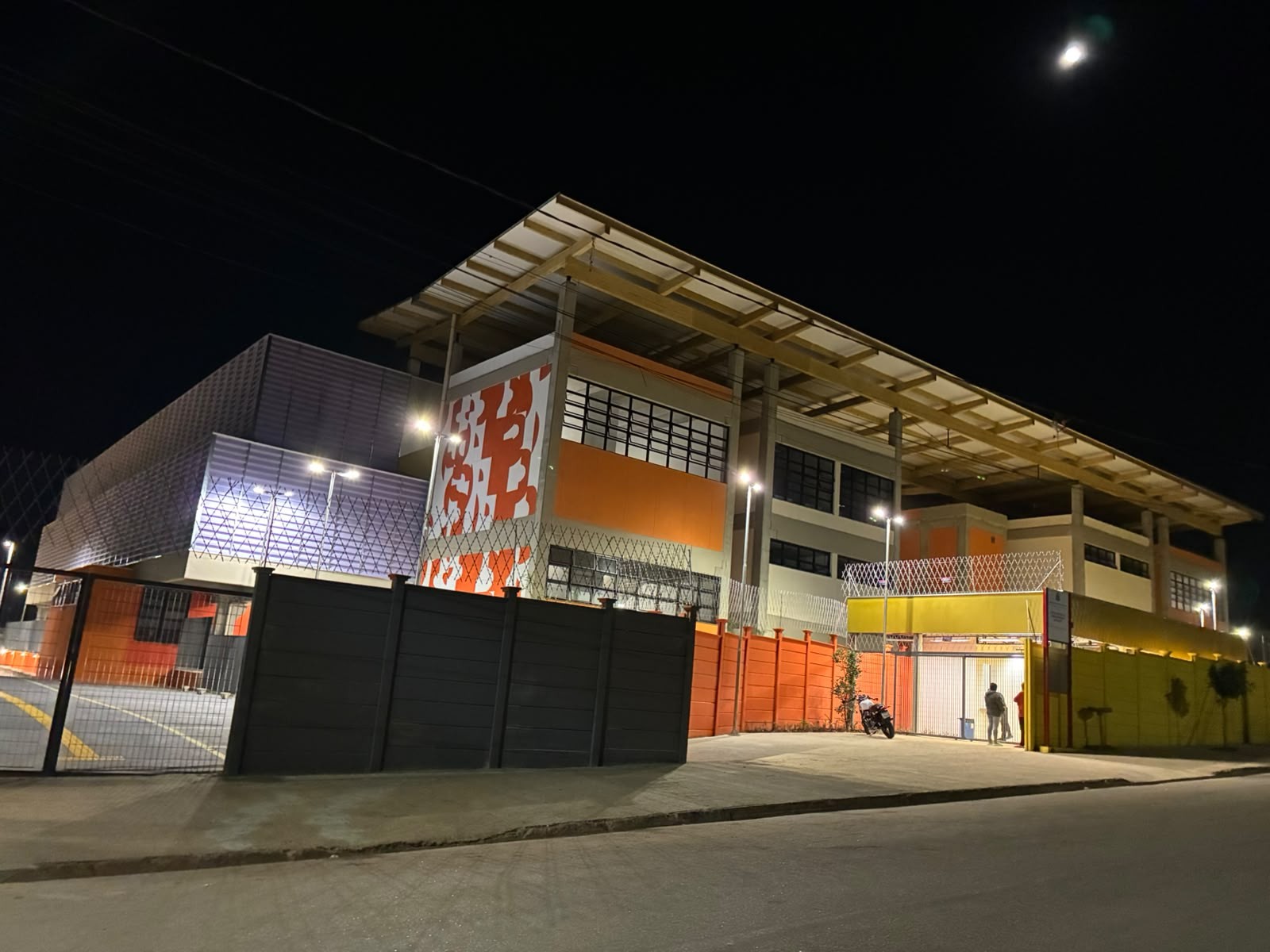
An armed gang broke into the newly inaugurated Anésia Pinheiro Machado State School in Itapetininga, São Paulo, on Monday, October 27th. The criminals took two hostages, the building's doorman and a passerby, before stealing over R$400,000 worth of electronic equipment. The school had only been delivered by the São Paulo government on Friday, October 24th, and was scheduled to begin classes on the same day as the robbery. Stolen items included notebooks, tablets, sound amplifiers, projectors, televisions, microwaves, printers, and digital drawing tablets. The hostages were found tied up but reported no physical aggression. The perpetrators fled the scene and had not been apprehended as of the report's publication. The incident, classified as robbery, is under investigation by the Civil Police. The State Secretariat of Education of São Paulo (Seduc-SP) expressed regret and confirmed a police report was filed. Classes scheduled for Monday were postponed to Tuesday, October 28th, with the secretariat stating the stolen items would not hinder educational activities.
This incident highlights a critical vulnerability in the security infrastructure surrounding public facilities, particularly those recently established and equipped with valuable technology. The timing of the robbery, mere days after the school's inauguration, suggests potential intelligence gathering or opportunistic targeting. The substantial value of stolen electronics raises questions about the adequacy of initial security measures and the risk assessment process for newly deployed public assets. From a systemic perspective, this event underscores the ongoing challenge of balancing resource allocation between infrastructure development and robust, continuous security protocols, especially in areas prone to criminal activity. Future planning should integrate comprehensive security audits and layered defenses from the outset of public projects to mitigate such significant losses and disruptions.
AI-generated to prompt reflection — not editorial opinion, not advice, not a statement of fact. How this works.