Armenia's Constitutional Change Could Accelerate Peace Process, Says Azer Karayev
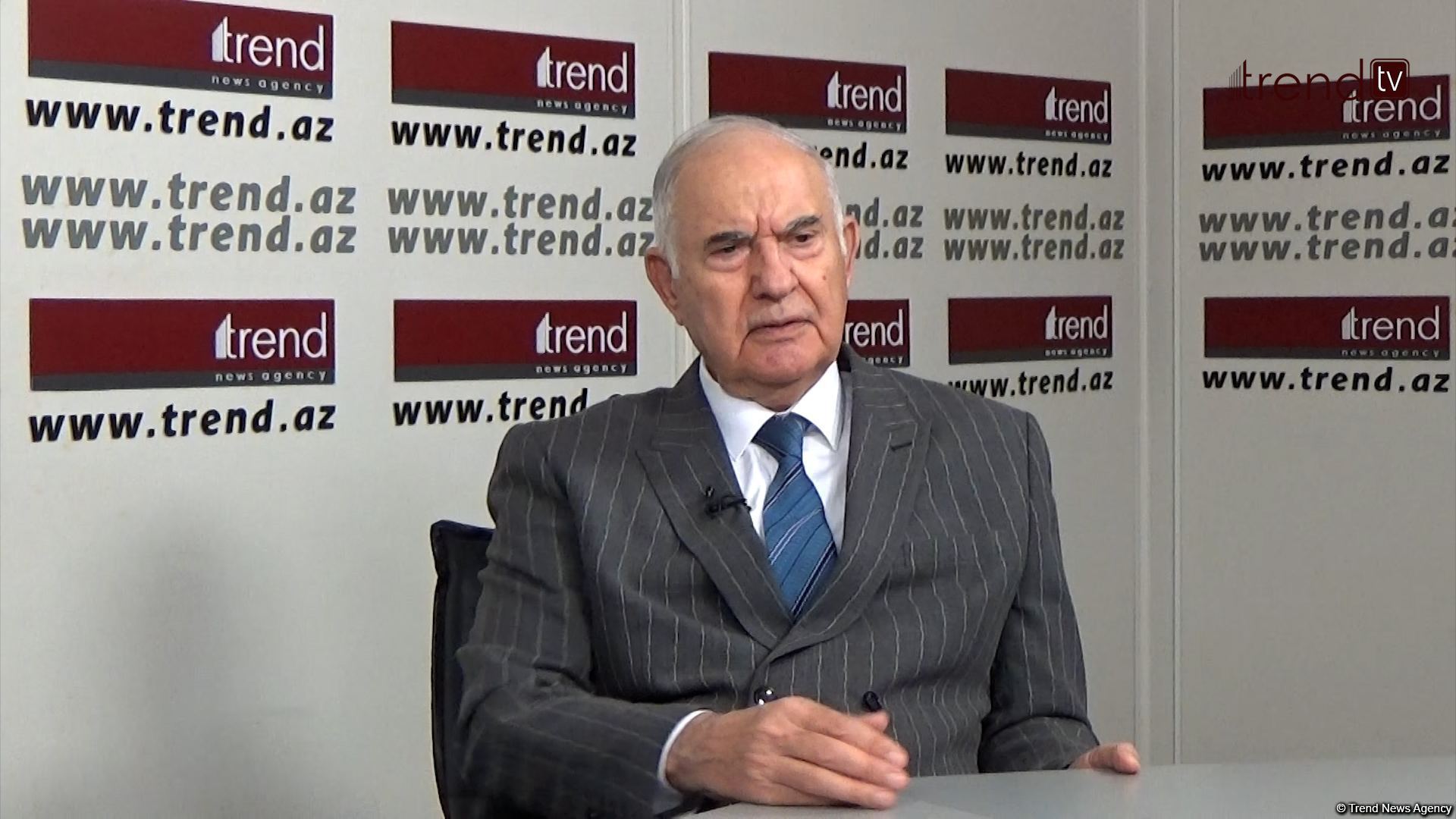
Azer Karayev, a representative of the Azerbaijani community of Nagorno-Karabakh, has stated that constitutional changes in Armenia could potentially speed up the peace process. He believes that the current Armenian constitution, adopted in 1995, contains elements that hinder the establishment of lasting peace and stable relations between Armenia and Azerbaijan. Karayev specifically pointed to Article 11 of the constitution, which he claims is used to justify territorial claims against Azerbaijan. He argues that amending this article, along with other related provisions, would remove a significant obstacle to normalizing relations. The proposed changes aim to align Armenia's foundational law with the principles of mutual recognition of territorial integrity and sovereignty. Karayev emphasized that such amendments are crucial for building confidence and moving towards a comprehensive peace agreement. He expressed hope that the Armenian government and parliament would consider these changes seriously, recognizing their importance for regional stability and future cooperation. The initiative highlights the ongoing efforts and complex discussions surrounding the resolution of the Nagorno-Karabakh conflict and the broader normalization of relations between the two South Caucasus nations.
The proposed constitutional amendments in Armenia, as suggested by Azer Karayev, represent a potential pivot in the region's geopolitical landscape. From an analytical perspective, aligning Armenia's foundational legal document with principles of territorial integrity could address a core point of contention that has historically fueled conflict. Such a move, if enacted, would signal a strategic reorientation, potentially de-escalating tensions by removing perceived justifications for territorial claims. The effectiveness of this initiative will depend on the specific language of the amendments and the political will to implement them, influencing future diplomatic engagements and the long-term stability of the South Caucasus. This development warrants observation for its implications on regional security architectures and the broader trajectory of post-conflict reconciliation in the coming decade.
AI-generated to prompt reflection — not editorial opinion, not advice, not a statement of fact. How this works.