Armenia's Constitutional Territorial Claims Must Be Removed for Peace Treaty, Says Minister
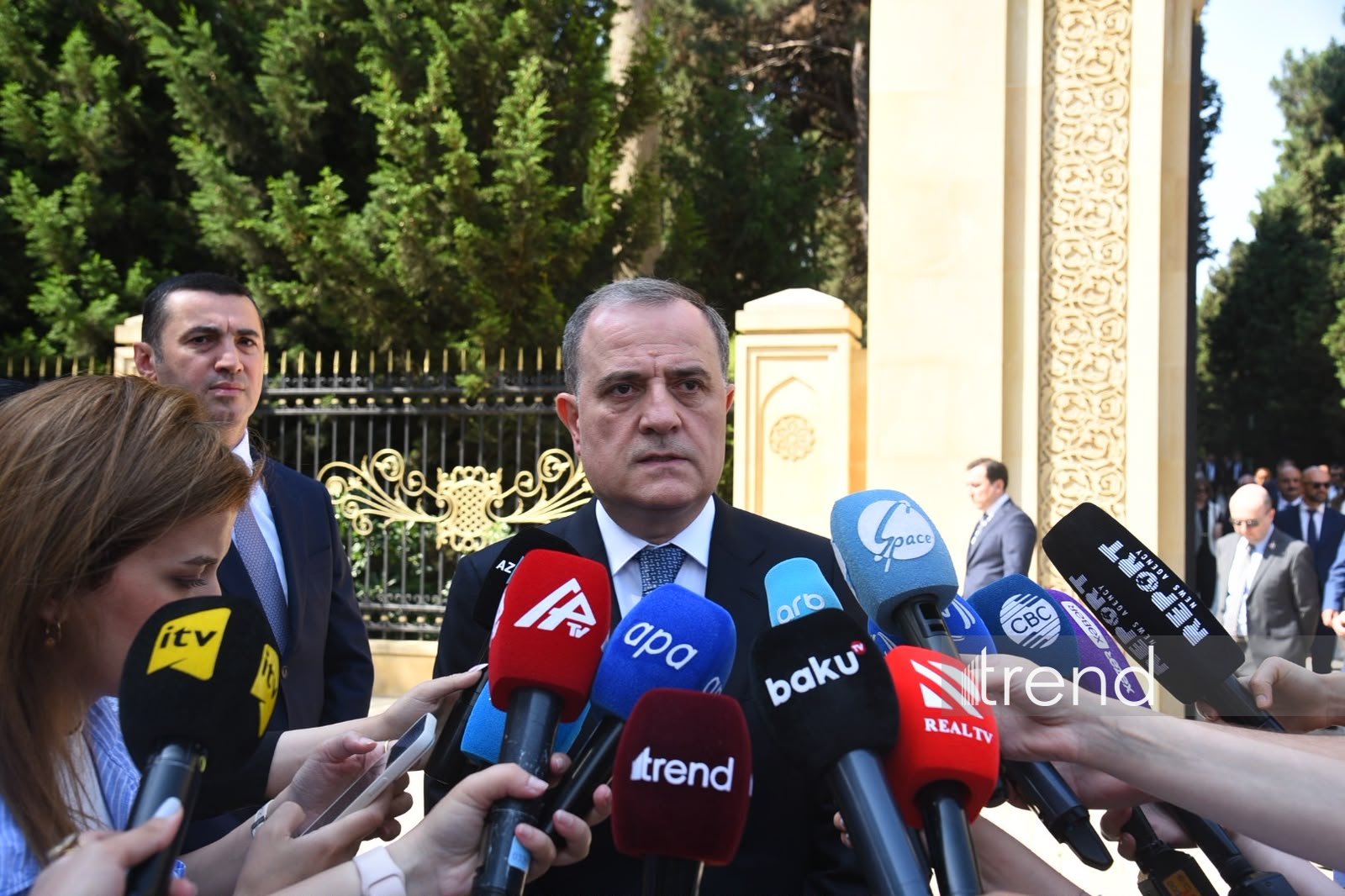
Armenian Foreign Minister Ararat Mirzoyan has stated that a peace treaty with Azerbaijan can only be signed after territorial claims within Armenia's constitution are removed. He emphasized that this condition is crucial for establishing lasting peace between the two nations. The minister reiterated Armenia's commitment to the peace process, provided that Azerbaijan also engages constructively. Mirzoyan's remarks came during a press conference following discussions on regional security and bilateral relations. He highlighted that the current wording in the Armenian constitution is a significant obstacle to finalizing the peace agreement. The Armenian government has indicated a willingness to amend its constitution to facilitate the peace treaty. However, the specifics of these amendments and the timeline for their implementation remain under discussion. The minister expressed hope that both sides can find common ground to resolve the long-standing conflict. He stressed that the removal of these constitutional claims is a prerequisite for moving forward with the peace negotiations. This development signals a potential step towards de-escalation, contingent on reciprocal actions and constitutional reforms.
The Armenian Foreign Minister's statement frames the removal of constitutional territorial claims as a prerequisite for a peace treaty. This perspective suggests that domestic legal frameworks can significantly influence international relations and conflict resolution. The emphasis on constitutional amendment highlights the interplay between national sovereignty and the pursuit of regional stability. From a systemic viewpoint, aligning constitutional provisions with peace objectives is a complex governance challenge. The long-term implications of such amendments will likely involve navigating domestic political sensitivities while fostering external trust. The success of this approach hinges on reciprocal de-escalation and a shared commitment to a future where constitutional narratives do not perpetuate historical grievances, thereby creating a more predictable environment for future diplomatic engagements.
AI-generated to prompt reflection — not editorial opinion, not advice, not a statement of fact. How this works.