Armenian Genocide Recognition Used as Diplomatic Tool
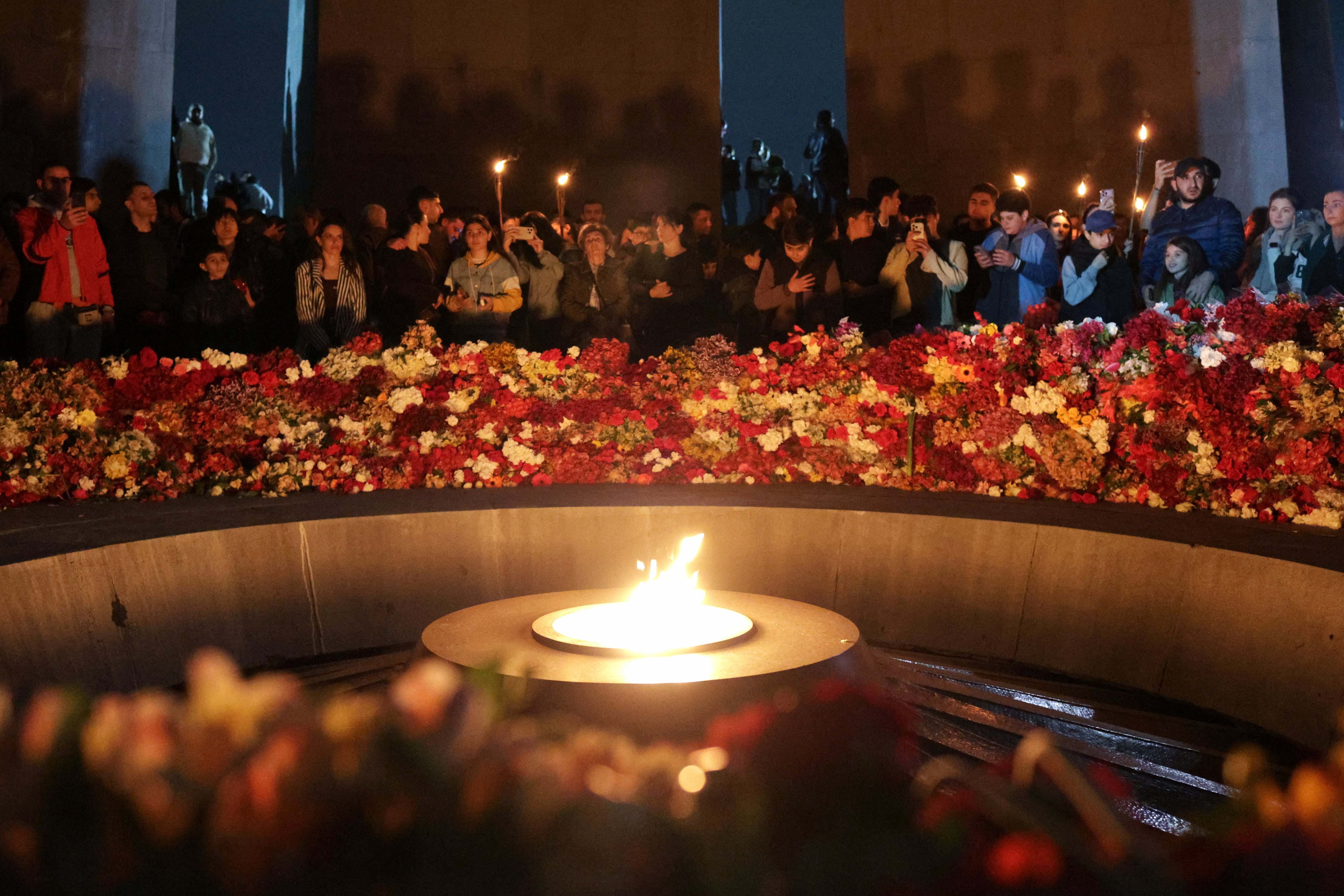
The recognition of the 1915 Armenian extermination, a demand pursued by Armenians for decades, often gains traction not due to historical memory but when it serves to pressure Turkey. Israel represents the latest instance of this diplomatic maneuvering. While the Armenian diaspora and government have consistently sought international acknowledgment of the events, the timing and success of these efforts frequently align with geopolitical interests.
This pattern suggests that the historical tragedy is sometimes leveraged as a diplomatic weapon, rather than solely being addressed through the lens of historical justice and remembrance. The article points to Israel's recent acknowledgment as a case in point, implying that this move may be influenced by current political dynamics concerning Turkey. The broader implication is that the pursuit of recognition for the Armenian Genocide is intertwined with contemporary international relations and strategic considerations.
The Armenian Genocide's recognition is frequently framed as a matter of historical justice and memory. However, this analysis suggests that its diplomatic leverage often becomes more potent when it aligns with the strategic interests of third-party nations seeking to exert pressure on Turkey. This dynamic highlights a tension between historical accountability and contemporary geopolitical strategy. The effectiveness of such recognition efforts may therefore depend less on the inherent moral imperative and more on the prevailing international political climate and the specific objectives of intervening states. Looking ahead, this pattern raises questions about how historical atrocities will be addressed in an era where national interests and diplomatic maneuvering continue to shape global discourse and policy decisions.
AI-generated to prompt reflection — not editorial opinion, not advice, not a statement of fact. How this works.